Advertisement
If you own a condominium, townhome, or home in a planned community, you already know that some decisions are not entirely yours to make. The color of your front door, the type of fence in your yard, even the plants in your garden may be subject to HOA approval. But there is one decision that is becoming increasingly common — and increasingly expensive — that many retirees do not see coming: solar panels on a shared roof. For anyone researching solar panels condo HOA special assessment retirees shared roof situations, this guide is for you.
Who Actually Owns the Roof Over Your Head?
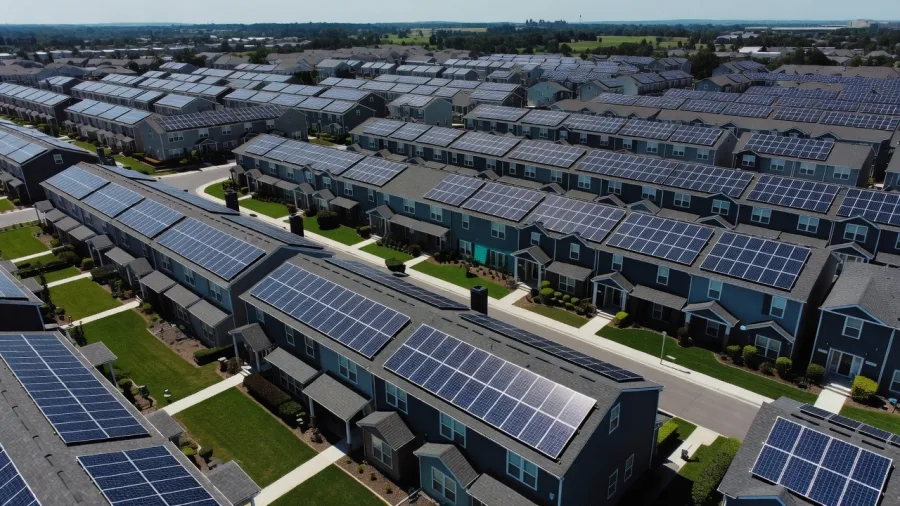
In most condominium and townhome communities, the roof is considered a common element — meaning it is owned collectively by all unit owners and managed by the homeowners association. You may own everything inside your walls, but the structure above you belongs to everyone. This matters enormously when it comes to solar, because a solar installation on a shared roof is not your personal decision to make. It is the HOA's.
HOA boards are made up of elected volunteers, and they have broad authority to make decisions about common areas — including whether to install a shared solar system on the community's rooftops or parking structures. They can enter into contracts with solar companies, approve financing arrangements, and in many cases, pass those costs along to every unit owner through special assessments or increased HOA dues.
What Is a Special Assessment and Why Should Retirees Pay Attention?
A special assessment is a one-time charge that an HOA can levy on all homeowners to cover a major expense not fully funded by the reserve fund. Think of it like an unexpected bill that arrives because the community needs something expensive — a new roof, repaved parking lot, or yes, a solar installation.
Special assessments can range from a few hundred dollars to several thousand dollars per unit, depending on the size of the project and how many owners share the cost. For retirees living on a fixed income, an unexpected assessment can be a serious financial strain — especially if you had no vote on whether the project should happen at all.
Many HOA governing documents require only a simple majority of the board — not a vote of all homeowners — to approve capital improvement projects. That means a solar system could be approved and funded before most residents are even aware it was under consideration.
How Solar Projects Are Typically Funded in HOA Communities
When an HOA decides to go solar, there are several ways they might structure the financing. Each one affects you differently as a homeowner:
- Reserve fund drawdown: The HOA uses money already set aside in its reserve fund. This avoids a direct assessment but reduces the cushion available for future repairs.
- Special assessment: Every unit owner is billed a share of the installation cost. Payments may be due all at once or spread over time.
- HOA loan or solar loan: The association borrows money and repays it through increased monthly dues over several years.
- Power purchase agreement (PPA) or lease: The HOA signs a long-term contract with a solar company. The community pays for the electricity the panels produce rather than owning the panels outright. These contracts can run 20 to 25 years.
That last option — a PPA or lease — deserves special attention from retirees. A long-term solar contract signed by your HOA may transfer to future owners of your unit when you sell. This can complicate a home sale and may affect your property's appeal to buyers who do not want to inherit a multi-decade energy contract.
What About the Federal 30% Solar Tax Credit?
The federal Investment Tax Credit (ITC) allows homeowners who install solar on a home they own to claim 30% of the installation cost as a tax credit. This is a well-established benefit that has helped millions of individual homeowners make solar more affordable.
However, in a shared HOA solar situation, the tax credit picture becomes complicated. If the HOA owns the system, the association — not individual unit owners — may be the entity eligible to claim the credit, depending on how the HOA is structured for tax purposes. Many HOAs are nonprofit entities that do not pay federal income taxes, which means they may not be able to benefit from the ITC at all.
This is a significant detail. One of the most valuable financial benefits of going solar may simply not apply when solar is installed on a shared community building rather than on a home you individually own.
Solar Panels, HOA Special Assessments, and Retirees: Your Rights
Just because the HOA has authority does not mean you are powerless. Here are steps retirees can take to protect their interests:
- Read your governing documents. Your CC&Rs (Covenants, Conditions, and Restrictions) and bylaws spell out what the board can approve without a homeowner vote. Know your threshold.
- Attend HOA meetings. Solar projects are often discussed well before a formal vote. Showing up — or requesting meeting minutes — keeps you informed.
- Ask for a full financial analysis. Before the board approves a solar project, request documentation showing the projected cost per unit, the payback period, and how the savings (if any) will be distributed to homeowners.
- Request a homeowner vote. In many states and under many governing documents, owners can petition for a full community vote on major capital expenditures. Check whether this applies to your community.
- Consult a real estate attorney. If a solar contract is being structured in a way that could affect your ability to sell your unit, it may be worth getting legal advice before the board signs anything.
Net Metering in a Shared Solar System: Who Gets the Savings?
Net metering allows homeowners to sell excess solar energy back to the utility grid — sometimes resulting in credits on the electric bill. In a community solar arrangement, the savings from net metering typically flow to the HOA's common area electricity account, not directly to individual unit owners. That means you may be contributing to a solar system through assessments or dues increases without seeing a direct reduction in your personal electric bill.
This varies by community and by how the system is structured, so always ask how savings will be allocated before assuming you will benefit.
What Retirees Should Do Right Now
If you live in a condo, townhome, or planned community and have never thought about whether your HOA might go solar, now is a good time to start paying attention. Solar adoption among HOA-governed communities is growing, and the financial decisions being made today could follow you for years.
Start by pulling out your governing documents, attending your next HOA meeting, and asking your board whether solar has ever been discussed. If it has — or if it comes up — you now have the knowledge to participate meaningfully in that conversation and protect your financial interests.
Next Steps
To learn more about your rights as a homeowner in an HOA community, visit your state's Department of Real Estate or Department of Consumer Affairs website, where many states publish guides specifically for condo and HOA owners. You can also contact a HUD-approved housing counselor for free guidance by visiting the official HUD website or calling 1-800-569-4287. If solar savings through individual ownership interest you, check your eligibility for the federal Investment Tax Credit with a licensed tax professional or through the IRS website at IRS.gov.
Advertisement