Advertisement
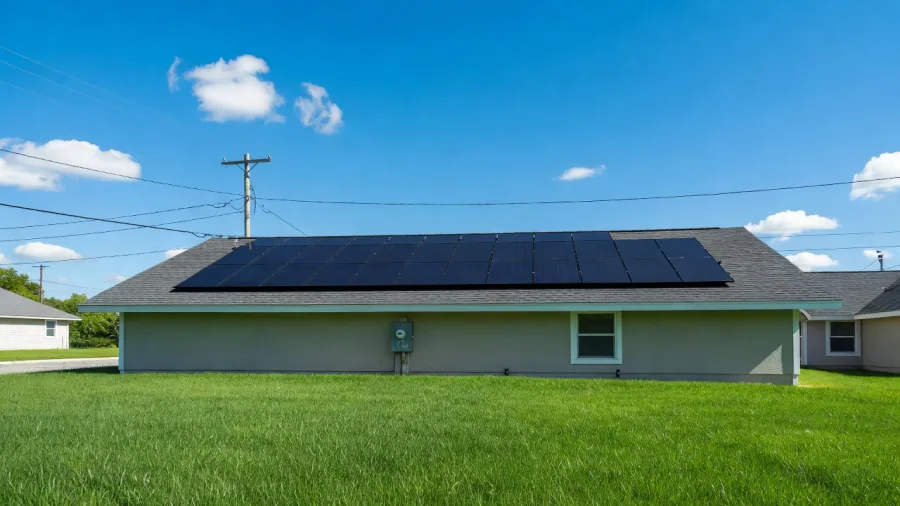
You did your homework. You compared quotes, claimed the federal Investment Tax Credit, and signed the contract for a brand-new solar system. But months after installation, your electric bill barely moved. The reason? Your utility company never finished the paperwork to connect your system to the grid. For retirees counting on solar net metering, utility interconnection rules are one of the most important and least-talked-about risks in the entire process. Understanding how these rules work before you sign anything could save you thousands of dollars and months of frustration.
What Is a Utility Interconnection Agreement and Why Does It Matter?
When you install a solar system designed to connect to the electrical grid, your utility company must formally approve that connection. This approval comes through what is called a utility interconnection agreement. Until that agreement is signed and your meter is configured correctly, your solar panels may generate power but that power cannot flow back to the grid, and in some cases it cannot be used by your home at all.
The interconnection process involves inspections, engineering reviews, and paperwork that can take anywhere from a few weeks to several months depending on your utility and your state. For retirees on a fixed income who planned their household budget around reduced electricity costs starting on a specific date, these delays are not just an inconvenience. They are a real financial gap.
How Solar Net Metering Utility Interconnection Rules Retirees Grid Situations Differ by State
Net metering is the policy that allows you to send excess solar energy back to your utility company and receive a credit on your bill. It is the cornerstone of most solar savings calculations. But net metering is not guaranteed everywhere, and the rules vary significantly from state to state and even from utility to utility within the same state.
Here are some key facts every retiree should understand before committing to a solar installation:
- Net metering caps exist in many states. Some utilities are only required to offer net metering until a certain percentage of their customers participate. Once that cap is hit, new customers may receive lower compensation rates or no net metering at all.
- Compensation rates can change. Some states have moved from full retail-rate net metering to lower avoided-cost rates, meaning the credit you receive for each kilowatt-hour you send back is worth less than what you pay to buy electricity.
- Rural electric cooperatives and municipal utilities often operate under different rules than investor-owned utilities. If your power comes from a co-op, your net metering rights may be more limited.
- Interconnection queue delays are common in high-demand areas. In states with rapid solar adoption, utilities may have backlogs that push your approval date out by months.
The Real Cost of a Delayed or Denied Interconnection
Consider a retiree who finances a solar installation using a solar loan with no money down. The monthly loan payment is designed to be offset by the electricity bill savings. If the interconnection is delayed by four or five months, that homeowner is paying the loan with no offsetting savings. Over a year, this gap can add up to a meaningful amount on a fixed income.
Even more serious is the situation where a utility operates under rules that prevent true net metering. In those cases, the financial projections made during the sales process may never be fully realized. A system sized to eliminate a monthly electric bill might only reduce it by half once real-world grid export compensation is applied.
Important: Always ask your solar installer to show you the specific net metering tariff your utility offers, not just a general estimate. Request a copy of your utility's interconnection timeline so you know what to expect before your first payment is due.
Questions Retirees Should Ask Before Signing a Solar Contract
Protecting yourself starts before installation day. Here are the most important questions to raise with any solar company and your utility provider:
- How long does the interconnection process typically take with my specific utility?
- Is my utility subject to a net metering cap, and how close is it to being reached?
- What rate will I receive for excess energy I send back to the grid?
- Does my utility have any pending rate cases or proposed changes to its net metering policy?
- If I use a solar lease or power purchase agreement, who is responsible for handling the interconnection application?
- What happens to my loan or lease payments if the interconnection is delayed?
How Solar Net Metering Utility Interconnection Rules Retirees Grid Protections Are Improving
The good news is that federal and state regulators are increasingly aware of these problems. The Federal Energy Regulatory Commission has issued guidelines encouraging utilities to streamline interconnection processes, and many states have passed laws setting maximum timelines for utility approvals. Some states also require utilities to pay interest or penalties if they miss their own deadlines.
Advocacy organizations and state public utility commissions often track net metering policy changes and publish consumer guides. Checking your state public utility commission website before you go solar is one of the best free resources available.
Financing Options That Reduce Your Exposure to Interconnection Delays
If you are concerned about the gap between installation and interconnection approval, some financing structures offer more protection than others:
- Solar loans with a delayed payment start date can be negotiated so that your first payment does not begin until after your system is officially interconnected and producing savings.
- Power purchase agreements often place the interconnection responsibility on the solar company, not the homeowner, which can reduce your administrative burden.
- Purchasing outright eliminates monthly payment pressure during delays, though it requires upfront capital that not all retirees have available.
Remember that the federal solar Investment Tax Credit covers 30% of installation costs and can be claimed in the tax year the system is placed in service, which is generally defined as when it is fully installed and operational, not necessarily when interconnection is complete. Always confirm timing details with a tax professional.
Your Next Step Before Going Solar
Before you sign any solar contract, visit your state public utility commission website to look up your utility's current net metering tariff and interconnection rules. Search for your state name along with the phrase public utility commission net metering to find official policy documents. You can also call your utility company's customer service line directly and ask to speak with someone in their distributed generation or solar interconnection department. Getting this information in writing before installation begins is one of the most important steps a retiree can take to protect a solar investment and make sure the savings that looked great on paper actually show up on your monthly statement.
Advertisement