Advertisement
The Solar Promise Sounds Great — Until Your Roof Gets Involved
If you're a homeowner over 55 exploring ways to cut your monthly expenses, solar panels probably look pretty attractive right now. The federal Investment Tax Credit covers 30% of installation costs, your electric bill could shrink dramatically, and some states sweeten the deal even further with rebates and incentives. For anyone living on a fixed income, that math can feel like a no-brainer.
But there's a conversation most solar salespeople won't start — and it centers on your roof. For retirees researching solar panels, old roof replacement costs, and what that means for their home budget, this article could save you from a very expensive surprise. Because if your roof isn't ready for solar, the financial picture changes fast.
Why Your Roof Matters as Much as Your Solar Quote
Solar panels are typically designed to last 25 to 30 years. Most installers won't tell you this upfront, but they also expect the roof underneath those panels to last just as long. If your roof is already 15, 18, or 20 years old — which is common for retirees who have owned their homes for decades — you may be looking at a roof that needs replacement within the next several years.
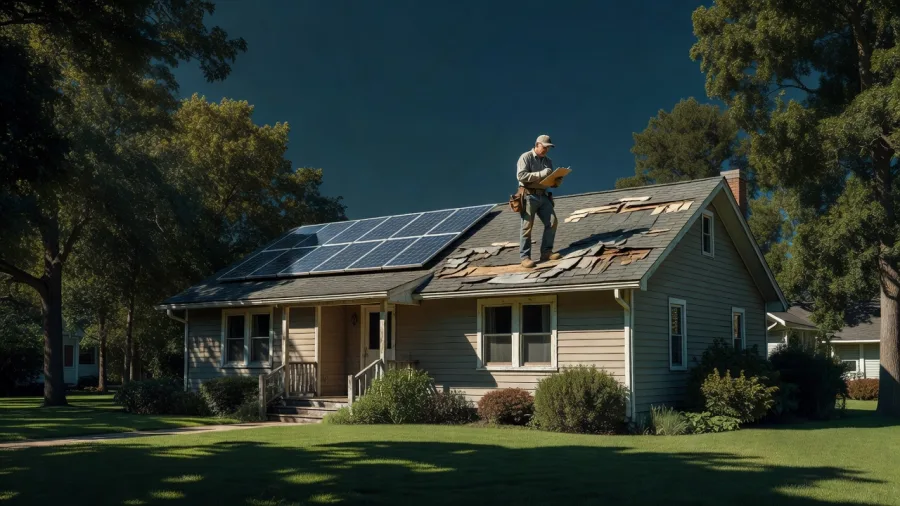
Here's why that's a serious problem: if your roof needs to be replaced after the solar panels are installed, the panels have to come off first. Then they go back on after the new roof is complete. That removal and reinstallation isn't free. Depending on your system size and location, it can add thousands of dollars in labor costs that weren't part of your original solar contract — and in some cases, it can void manufacturer warranties on the panels themselves.
Installing solar on a roof that's near the end of its life is like putting new carpet in a house with a leaking foundation. The sequence matters enormously.
Red Flags Retirees Should Look for Before Getting a Solar Quote
Before you schedule a solar consultation, take an honest look at your roof's current condition. Here are the warning signs that could mean trouble:
- Age: Most asphalt shingle roofs last 20 to 30 years. If yours is approaching or past that range, a replacement may be overdue.
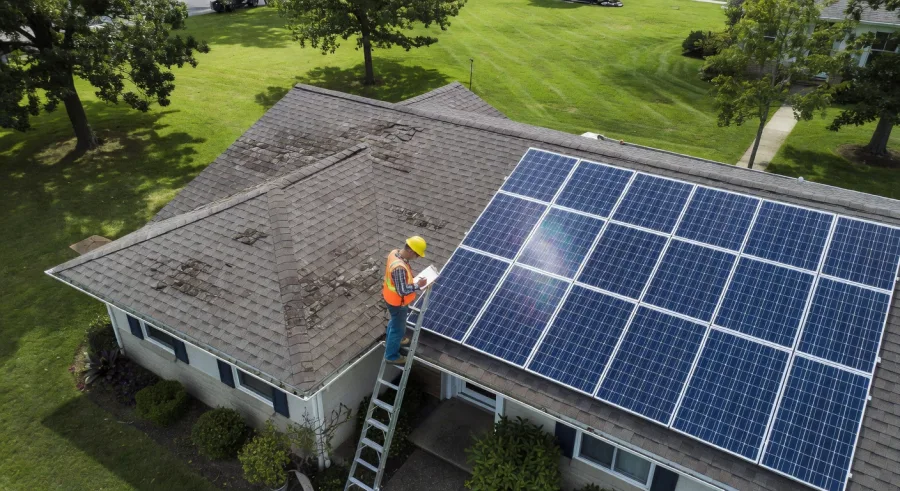
- Visible damage: Curling, cracking, or missing shingles are signs that your roof is deteriorating and may not safely support panel mounting hardware.
- Leaks or water stains: Any evidence of leaks inside the home — especially near the attic or ceiling — should be fully addressed before panels go up.
- Roof size and pitch: Solar panels require adequate space and the right angle toward the sun. Roofs that are too small, too flat, or face the wrong direction may not generate enough power to justify the cost of installation.
- Heavy shading: Mature trees that retirees love for privacy and shade can significantly reduce solar output on certain parts of a roof.
The Solar Panels, Old Roof Replacement Cost Retirees Often Don't Plan For
Let's talk numbers in honest terms. A typical solar installation for a home runs between $15,000 and $25,000 before any incentives. The federal tax credit brings that down by 30%, which is significant. But a full roof replacement on a similarly sized home can add anywhere from several thousand to over $15,000 depending on your roof size, materials, and local labor costs.
If you need to replace your roof before solar goes on — or worse, replace it after and then pay for panel removal and reinstallation — the total project cost can climb well above what you originally budgeted. For retirees managing a fixed income, that kind of unplanned expense can be genuinely destabilizing. This is why understanding the solar panels old roof replacement cost retirees home equation matters before you sign any contract.
What to Do Before You Commit to Solar
The good news is that this situation is entirely manageable if you approach it in the right order. Here's what financial and home improvement experts consistently recommend:
- Get a professional roof inspection first. Before you talk to a single solar company, have a licensed roofer evaluate your roof's condition and estimated remaining lifespan. This is typically a low-cost or even free service from reputable roofing contractors.
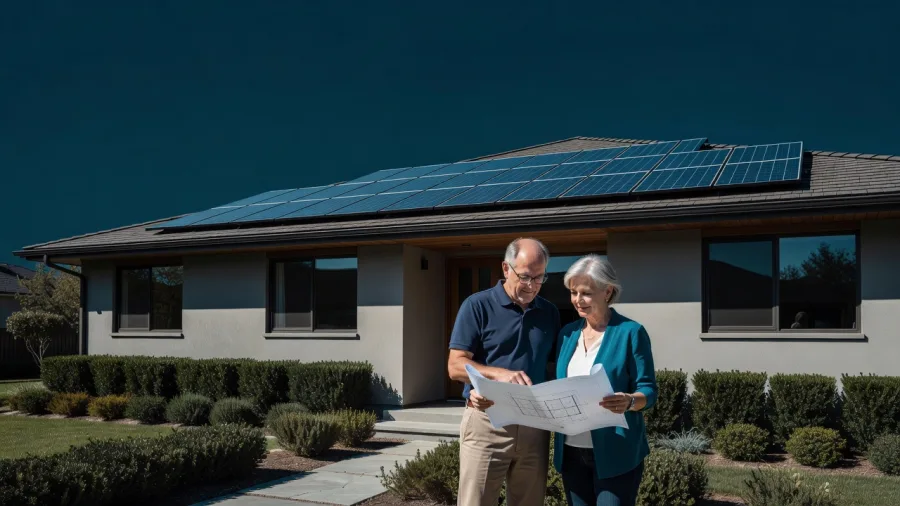
- Ask your solar installer directly about roof requirements. Reputable installers will give you an honest assessment of whether your roof is suitable. If they skip this conversation entirely, consider it a warning sign.
- Bundle the projects if replacement is needed. If your roof does need replacement, some installers or roofing companies can coordinate both projects together, which may reduce total labor costs compared to doing them separately at different times.
- Ask about warranty protections. Make sure you understand what happens to your panel warranty if the roof needs work after installation. Get any relevant protections in writing.
- Explore financing options carefully. Solar loans, leases, and power purchase agreements (PPAs) can reduce or eliminate upfront costs — but read the fine print carefully, especially regarding what happens if panels need to be temporarily removed.
State and Local Incentives May Help Cover Roof Costs Too
Here's something many retirees don't realize: some state and local programs offer assistance not just for solar panels, but for home energy upgrades more broadly — which can include roof improvements that make solar installation feasible. Programs vary significantly by state, utility provider, and income level, so it's worth doing some research specific to where you live.
Low-income senior homeowners may also qualify for programs through the U.S. Department of Energy's Weatherization Assistance Program, which helps cover energy-related home improvements. Eligibility and available services vary by location, but it's worth checking before you assume you have to pay for everything out of pocket.
Solar Is Still Worth Considering — Just Go in With Your Eyes Open
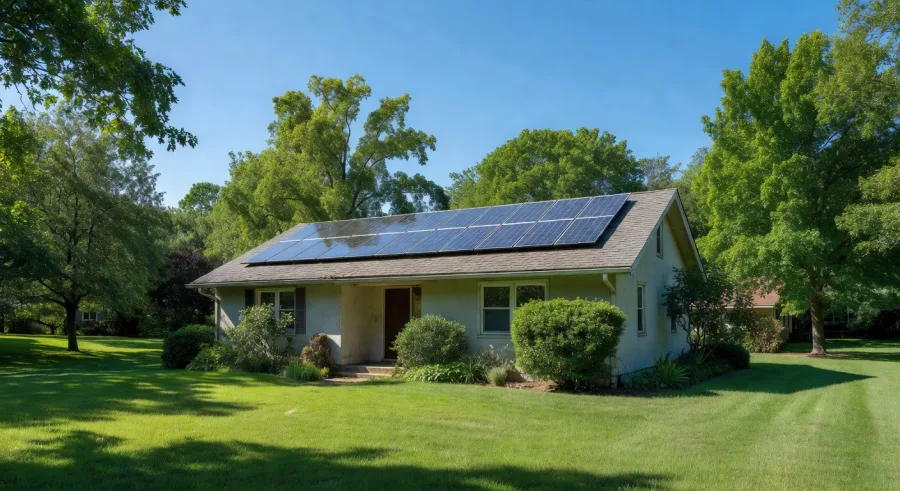
None of this is meant to scare you away from solar. For retirees with a sound roof and a home well-suited for panels, solar remains one of the most powerful ways to reduce monthly expenses and lock in energy costs for decades. Net metering in many states even lets you earn credits when your system produces more power than you use.
The key is doing your homework in the right order: roof first, solar second. That simple sequence can be the difference between a smart long-term investment and a project that costs you twice what you planned.
Your Next Step
Start by visiting the Database of State Incentives for Renewables and Efficiency at dsireusa.org to look up what solar and energy improvement programs are available in your state. Then schedule a professional roof inspection before you request any solar quotes. Going in informed is the best thing you can do for your wallet — and your peace of mind.
Advertisement