Advertisement
If you are like many homeowners over 55, you may not think much about your gutters until they are visibly sagging or overflowing during a rainstorm. But here is what most people do not realize: gutter replacement, crawl space moisture, wood rot, home structural damage, and senior safety are all deeply connected. Failing gutters do not just cause cosmetic problems. Over months and years, they quietly channel water into the ground right next to your foundation, into your crawl space, and eventually into the very beams and joists that hold your home together.
Why Gutters Matter More Than You Think
Gutters have one job: move rainwater away from your home. When they are cracked, clogged, pulling away from the fascia, or simply worn out, they stop doing that job. Instead of directing water to a downspout and safely away from the structure, they allow water to overflow and pour down right alongside your foundation walls.
For a single storm, that might not seem like a big deal. But consider what happens after dozens of storms, season after season, year after year. That repeated water exposure creates a slow and steady flow of moisture into areas you rarely see or think about.
The Crawl Space Connection
Many older homes — especially those built before the 1980s — sit on a crawl space rather than a full basement or slab. Crawl spaces are designed to allow air circulation and provide access to plumbing and electrical systems. But they are also highly vulnerable to moisture intrusion.
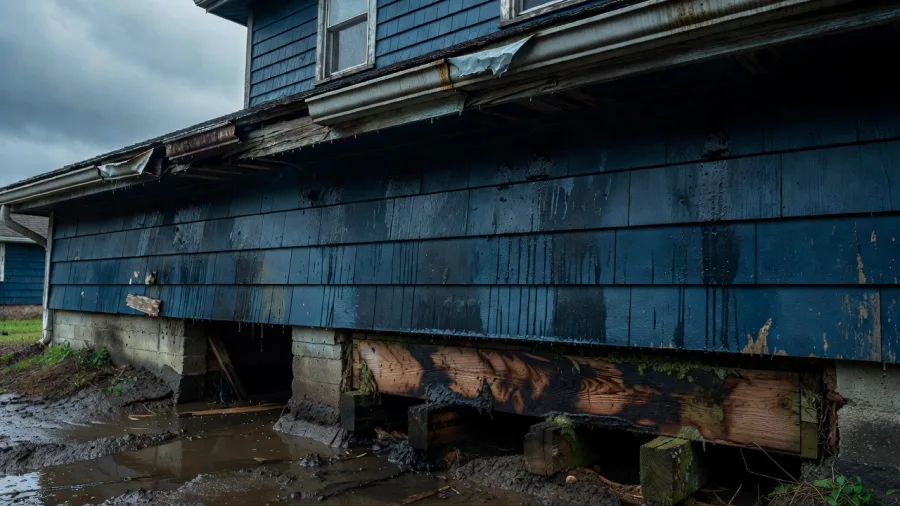
When gutters fail and water pools near the foundation, it seeps into the soil. That moisture travels through foundation walls and vents, raising the humidity level inside the crawl space. Over time, this creates the perfect environment for:
- Wood rot in floor joists, beams, and support posts
- Mold and mildew growth that can spread into living areas
- Pest infestations, especially termites and carpenter ants that thrive in damp wood
- Efflorescence and concrete deterioration along foundation walls
- Sagging or soft floors above the crawl space
By the time you notice a soft spot in your floor or a musty smell in the house, the damage may already be extensive. Structural repairs to joists and beams, combined with mold remediation, can cost tens of thousands of dollars.
How Gutter Replacement Protects Crawl Space Moisture and Your Home Structure
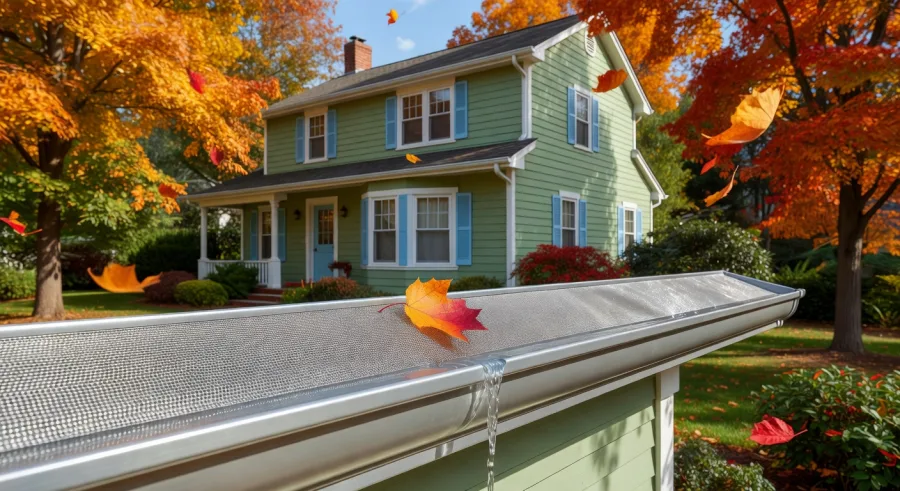
Replacing worn or failing gutters is one of the most cost-effective ways to interrupt this cycle of damage before it reaches a critical point. New gutters — especially seamless aluminum or steel gutters — are designed to handle heavy rainfall without leaking at the seams or pulling away from the roofline.
When gutters are functioning correctly, they move water efficiently through downspouts and extensions, depositing it several feet away from the foundation. This keeps soil moisture levels near the home at a safe level and reduces the risk of water infiltrating your crawl space or basement.
Seamless Gutters vs. Sectional Gutters: What Older Homeowners Should Know
If your current gutters are the older sectional style — meaning they are pieced together in sections with connecting joints — those joints are the most common failure point. They loosen over time, separate, and allow water to leak directly down the side of your home rather than through the downspout.
Seamless gutters are custom-fabricated in one continuous piece to fit your roofline exactly. Because there are no joints along the length of the gutter, there are far fewer places for leaks to develop. They tend to last longer and require less maintenance, which is a real advantage for homeowners who do not want to be climbing ladders or hiring repair crews every few years.
What Gutter Replacement Typically Costs vs. What It Prevents
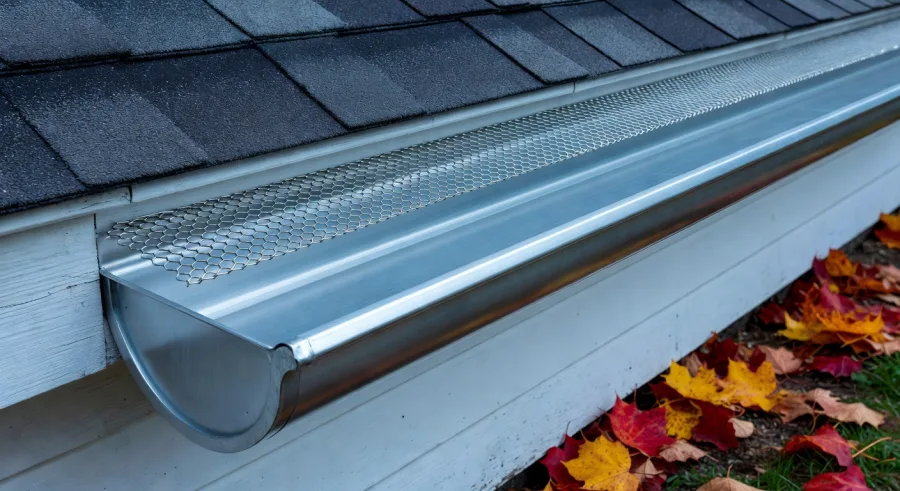
New gutters for an average home typically cost between $1,000 and $3,000 depending on the size of the home, the materials chosen, and local labor rates. Adding gutter guards — screens or covers that prevent leaves and debris from clogging the system — can add to that cost but significantly reduces the need for ongoing cleaning and maintenance.
Compare that to the cost of what bad gutters can cause:
- Foundation repairs due to water damage can run $5,000 to $10,000 or more
- Crawl space encapsulation and mold remediation often costs several thousand dollars
- Replacing rotted floor joists is a major structural project that can exceed the cost of the original home improvement many times over
Viewed that way, new gutters are not an expense — they are an investment in protecting far more valuable systems throughout your home.
Aging in Place Starts With a Structurally Sound Home
For retirees who want to remain in their homes as they age, structural integrity is not optional — it is foundational. Sagging floors caused by wood rot in a crawl space are not just a nuisance. They create fall hazards. They make it harder to move through the home safely with a walker or cane. They can signal deeper problems that affect your home's value and insurability.
Many older homeowners also find that when they go to sell or refinance, a home inspection reveals crawl space damage that traces directly back to years of water intrusion from failing gutters. Addressing the root cause early — rather than after the damage is done — gives you more control over the outcome and far less financial stress down the road.
Additional Steps to Protect Your Crawl Space
While replacing your gutters is a critical first step, a complete approach to crawl space protection may also include:
- Installing downspout extensions to direct water at least 4 to 6 feet from the foundation
- Grading soil so it slopes away from the home
- Adding a vapor barrier inside the crawl space to limit moisture from the ground
- Improving crawl space ventilation or considering full encapsulation in high-humidity climates
Protecting your crawl space from moisture is one of the most important things you can do to preserve the long-term safety, value, and livability of your home — and it starts at the roofline.
Take the Next Step
If your gutters are more than 15 to 20 years old, visibly pulling away from the home, or consistently clogging or overflowing, it is time to have them evaluated. Contact a licensed gutter contractor in your area for a free inspection and estimate. Ask specifically about seamless gutters and gutter guard options that reduce maintenance.
You should also consider having a crawl space inspection done at the same time, especially if you have noticed any soft spots in the floor, musty odors, or unusually high humidity in your home. Catching moisture damage early can save you from a far more expensive and stressful repair down the road.
Visit SavingsHunter.com to find more guides on home improvement savings programs, contractor selection tips, and benefit resources designed specifically for homeowners 55 and older. Your home has protected you for years — now it is time to protect it back.
Advertisement