Advertisement
Most homeowners assume their insurance policy is a safety net that will catch them no matter what. But there is a quiet clause buried in nearly every homeowners policy that can leave you without a payout precisely when you need one most. It is called a neglect or maintenance exclusion, and for Americans 55 and older living on fixed incomes, a denied claim can be financially devastating. The good news is that understanding home maintenance insurance discounts, how to prevent claim denial, and what seniors should document each season can protect both your home and your wallet.
Why Insurers Deny Claims Based on Home Condition
Insurance companies are not in the business of paying for problems that built up slowly over time. When you file a claim, adjusters are trained to look for signs that damage resulted from deferred maintenance rather than a sudden event. A roof that leaks after a storm may be denied if the adjuster finds cracked or missing shingles that were clearly aged. Water damage in a basement may be denied if there is evidence of long-standing moisture and no working sump pump.
Common maintenance-related reasons insurers reduce or deny claims include:
- Roof deterioration beyond normal lifespan without replacement
- Unaddressed plumbing leaks or visible pipe corrosion
- Pest or mold damage that shows signs of long-term neglect
- Broken or missing gutters causing foundation water intrusion
- Rotting wood on decks, siding, or window frames
The hard truth is that you can pay premiums faithfully for decades and still be denied if your home shows signs of neglect at the time of a claim. Staying ahead of these issues is not just smart home ownership — it is a form of financial self-defense.
The Seasonal Checklist: What to Do and When to Document It
Creating a seasonal maintenance routine and keeping records of completed work is one of the most powerful tools available to homeowners. If a claim dispute ever arises, dated photos, receipts, and contractor invoices can be the difference between a paid claim and a denied one.
Spring: Inspect, Clean, and Repair After Winter
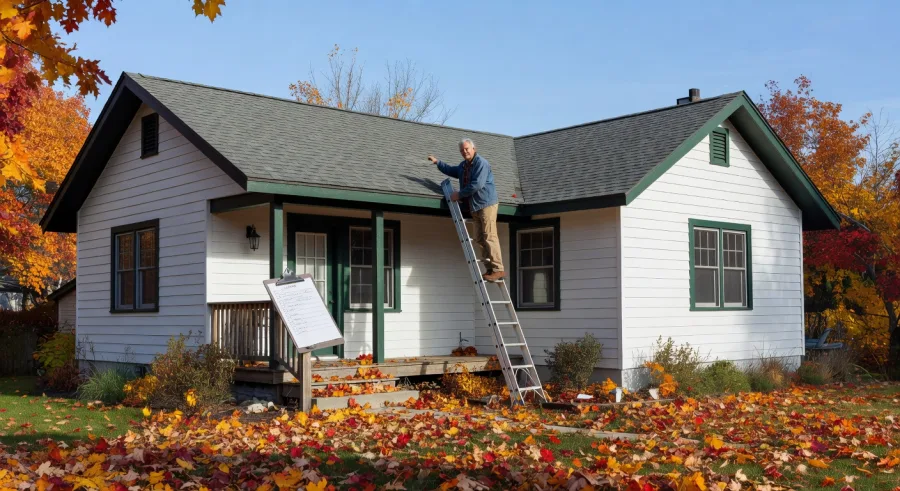
- Roof inspection: Look for lifted, cracked, or missing shingles. Have a licensed roofer document the condition in writing if possible.
- Gutters and downspouts: Clear debris and ensure water is directed away from the foundation. Photograph before and after.
- HVAC system: Schedule a professional tune-up and keep the service receipt. A well-maintained heating and cooling system reduces fire and water damage risk.
- Check for water intrusion: Inspect basements, crawlspaces, and around windows for signs of moisture. Address any issues promptly.
- Test smoke and carbon monoxide detectors: Replace batteries and note the date in a home maintenance log.
Summer: Protect Against Heat, Storms, and Fire Risk
- Trim trees and shrubs: Overhanging branches are a top cause of storm damage. Keep trees pruned away from your roof and power lines.
- Inspect deck and porch structures: Look for rotting boards, loose railings, and deteriorating fasteners. Repair before fall rains arrive.
- Review and update your home inventory: Photograph or video every room and store copies offsite or in cloud storage. This supports personal property claims.
- Check exterior caulking and weatherstripping: Gaps around windows and doors allow water infiltration that can be misread as neglect.
Fall: Prepare Before the Cold Arrives
- Have your chimney inspected and cleaned: Chimney fires are preventable. Keep the service certificate on file.
- Drain and winterize outdoor plumbing: Burst pipes from freezing are a leading source of homeowner claims, and many are denied when pipes were not properly protected.
- Check attic insulation and ventilation: Poor attic conditions can lead to ice dams in winter, which cause significant roof and interior damage.
- Inspect the water heater: Units over ten years old are more likely to fail. Note the age and condition in your records.
Winter: Monitor and Maintain During Cold Weather
- Keep heat at a safe minimum if traveling: Most policies require you to maintain interior temperatures above a set threshold during cold months. Check your policy language.
- Watch for ice dams: Remove heavy snow from eaves after major storms when safely possible, or hire help.
- Inspect for drafts and frozen pipe risk: Open cabinet doors under sinks on exterior walls during extreme cold to allow heat circulation.
How Home Maintenance Unlocks Insurance Discounts for Seniors
Beyond avoiding denied claims, keeping your home in good shape is one of the most reliable paths to lower premiums. Insurers reward homeowners who take steps to reduce risk, and many discounts go unclaimed simply because policyholders do not know to ask.
Improvements that commonly qualify for home maintenance insurance discounts include:
- New roof: A recently replaced roof can significantly reduce your premium, especially in storm-prone states. Ask your insurer what age and materials qualify.
- Security system: Monitored alarm systems, deadbolt locks, and smart smoke detectors often earn discounts.
- Storm shutters or impact-resistant windows: Especially valuable in coastal and hurricane-risk areas.
- Updated electrical, plumbing, or HVAC systems: Older systems are a major risk factor. Upgrading them can trigger a rate review in your favor.
Shopping around after making home improvements is just as important as the improvements themselves. Your current insurer may not automatically lower your rate — but a competing insurer seeing a well-maintained home may offer you 20% to 30% less.
Building Your Documentation File
Seniors who want to protect themselves in case of a claim dispute should keep a simple home maintenance file. This does not need to be complicated. A folder — physical or digital — with the following items is enough to establish a strong record:
- Dated photographs of completed seasonal maintenance tasks
- Receipts and invoices from contractors and service providers
- Manufacturer documents for major systems like the roof, HVAC, and water heater
- Your annual insurance policy declarations page showing coverage limits
- Notes from any conversations with your insurer about discounts or coverage changes
Reviewing your policy once a year, ideally before your renewal date, is also essential. Coverage needs change as homes age and values shift. You want to make sure you are not paying for more coverage than you need, and not exposed to gaps that could leave you underinsured after a major loss.
Your Next Step: Review, Document, and Compare
The most important action you can take today is a simple one. Start a home maintenance log this season, take a walk around your property with your phone camera, and note anything that needs attention. Then pull out your current homeowners policy and check whether your insurer offers discounts for the improvements and updates you have already made.
If you have not compared homeowners insurance rates recently, now is the time. Visit a licensed insurance comparison site or contact an independent insurance agent who can shop multiple carriers on your behalf. Given that home maintenance insurance discounts can prevent claim denial and help seniors save substantially on premiums, a little effort this season could pay off for years to come.
Visit SavingsHunter.com to explore more guides on insurance savings programs available to Americans 55 and older.
Advertisement