Advertisement
Are You Leaving Home Insurance Discounts on the Table?
If you are a homeowner over 55, there is a good chance your insurance agent has never told you about a growing category of discounts tied to smart home devices, green upgrades, and home insurance discounts for seniors. These are not obscure loopholes. They are legitimate savings that more and more insurance companies are quietly offering — and that most policyholders never think to ask about. The good news is that many of the upgrades involved are ones you may already be considering for safety, comfort, or energy efficiency.
This guide walks you through exactly what qualifies, what to ask your insurer, and how to start saving on your premiums without sacrificing the coverage you need.
Why Insurers Are Rewarding Smart Home Devices and Green Upgrades
Insurance companies are in the business of managing risk. The less likely your home is to suffer damage — whether from a burst pipe, a break-in, or a severe storm — the less likely they are to pay out a claim. That is why insurers increasingly reward homeowners who invest in technology and improvements that reduce those risks.
Over the past several years, a growing number of major insurers have rolled out discount programs specifically tied to smart home devices and green upgrades. Some partner directly with device manufacturers. Others simply ask you to self-report qualifying upgrades during your annual policy review. Either way, you have to know to ask.
Smart Home Devices That Can Lower Your Premiums
These are some of the most commonly recognized smart home devices that may qualify you for home insurance discounts:
- Smart water leak detectors: These small sensors placed near water heaters, washing machines, and under sinks can alert you to leaks before they cause major damage. Water damage is one of the most common and costly home insurance claims, so insurers take these seriously.
- Automatic water shutoff valves: These devices go a step further by automatically cutting off your home's water supply when a leak is detected. Some insurers offer their largest smart device discounts for homes equipped with these systems.
- Monitored security systems: A professionally monitored alarm system — one connected to a central station that can dispatch help — typically earns a larger discount than a simple local alarm. Many insurers distinguish between the two, so make sure yours is being credited correctly.
- Smart smoke and carbon monoxide detectors: Devices that send alerts to your phone and are interconnected throughout the home are increasingly recognized as a risk-reduction tool.
- Smart door locks and video doorbells: Some insurers consider these as part of a broader home security profile, particularly when combined with a monitored system.
Green Home Upgrades That Also Reduce Insurance Costs
Beyond connected devices, certain physical upgrades to your home can meaningfully reduce your premiums — and some may even qualify for separate federal or state energy efficiency incentives at the same time.
Roofing Upgrades
If your roof is aging, replacing it with impact-resistant roofing materials — such as Class 4 rated shingles designed to withstand hail — can produce significant premium reductions in many states. Some insurers also offer discounts for roofs with cool-roof coatings that reflect sunlight and reduce heat buildup. A newer roof in general is one of the most reliable ways to lower your home insurance rate.
Updated Electrical Panels
Outdated electrical panels — particularly older systems with known safety issues — can actually increase your premiums or make it harder to get coverage at all. Upgrading to a modern panel not only improves safety but signals to insurers that your home presents less fire risk. This is especially relevant for older homes common among the 55+ demographic.
Storm Shutters and Wind-Resistant Features
In hurricane-prone states, installing storm shutters, reinforced garage doors, or hurricane straps can unlock dedicated wind mitigation credits that vary by state but can be quite substantial. Some states even require insurers to offer these credits by law.
Solar Panels and Energy-Efficient Systems
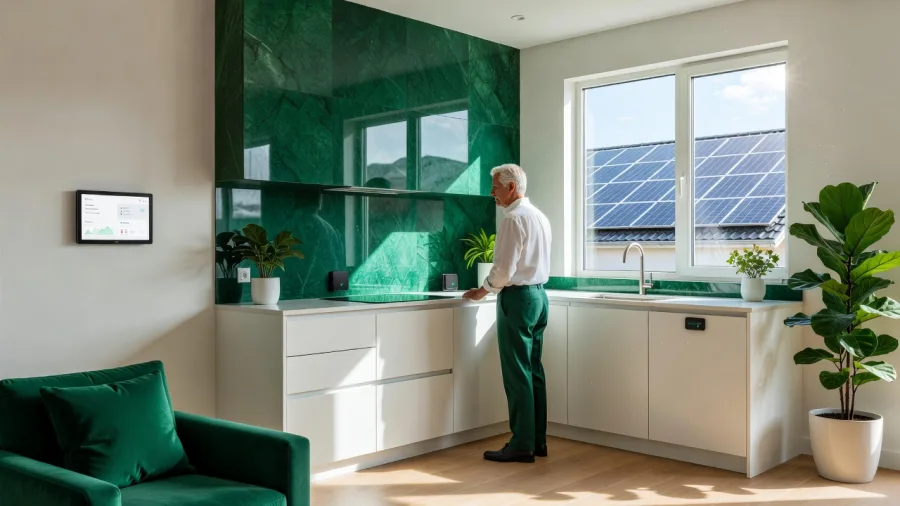
Some insurers have begun offering modest discounts or favorable treatment for homes with solar installations or high-efficiency HVAC systems. Coverage for the panels themselves is worth discussing with your agent to make sure your policy reflects their value accurately.
How to Actually Claim These Discounts
Here is where many homeowners lose out: the discounts exist, but you have to take action to receive them. Insurance companies do not automatically update your policy when you install a leak detector or replace your roof.
- Call your agent and ask directly. Request a full list of available discounts for your policy. Ask specifically about smart device discounts, green upgrade credits, and any technology partnership programs your insurer participates in.
- Document your upgrades. Keep receipts, installation records, and product model numbers for any qualifying devices or home improvements. Some insurers will ask for proof.
- Review your policy annually. Your home and your insurer's discount programs both change over time. An annual review is the best habit you can build to avoid being over-insured, under-insured, or simply missing credits you have earned.
- Shop around. Shopping around can save 20% to 30% or more on premiums. If your current insurer does not recognize the upgrades you have made, another carrier might offer significantly better rates for the same coverage.
- Bundle your policies. Combining your home and auto insurance with one company typically saves 10% to 25% on its own — and that bundling discount stacks with other savings.
A Few Other Savings Moves Worth Combining
While you are exploring smart home devices, green upgrades, and home insurance discounts, consider pairing these strategies with a few additional moves:
- Raise your deductible if you have adequate emergency savings. Moving from a $1,000 to a $2,500 deductible can noticeably reduce your annual premium.
- Ask about claims-free discounts. If you have not filed a claim in several years, many insurers will reward that track record.
- Ask about senior or mature homeowner discounts. Some insurers offer age-based discounts that your agent may not volunteer.
The best thing any homeowner over 55 can do is simply ask. Most of these discounts are sitting there waiting — they just require you to raise your hand and claim them.
Your Next Step: See What You Could Be Saving
You do not need to overhaul your entire home overnight. Start by calling your current insurance agent and asking for a full discount review. Then, visit SavingsHunter.com to compare home insurance programs and find resources tailored to Americans 55 and older. A few phone calls and a modest investment in the right smart home devices or green upgrades could translate into real, lasting savings on one of your biggest annual household expenses.
Advertisement