Advertisement
Your Public Housing Unit Could Be at Risk If You're Away Too Long
If you are a senior living in public housing, you have likely worked hard to secure stable, affordable housing. But what happens if a medical emergency lands you in the hospital for weeks? What if you need to travel across the country to care for a sick family member? Understanding public housing temporary absence rules and unit abandonment policies for seniors could be the difference between keeping your home and losing it entirely.
This guide breaks down what you need to know in plain language so you can protect yourself and your housing before an unexpected situation arises.
What Is a Temporary Absence Policy in Public Housing?
Public housing is managed by local Public Housing Authorities, or PHAs, under the oversight of the U.S. Department of Housing and Urban Development, known as HUD. Each PHA sets its own lease terms, and most leases include a clause about how long a tenant can be away from their unit before it is considered abandoned.
A temporary absence generally means you are away from your unit for a period of time but intend to return and continue living there. The problem is that every PHA defines this differently. Some allow absences of 30 days. Others may allow 60 or even 90 days under certain conditions. A handful of PHAs have more flexible policies specifically designed for medical situations.
The key rule of thumb: if you do not notify your PHA before or during an extended absence, you are putting your housing at serious risk regardless of the reason for your absence.
Common Situations That Trigger Temporary Absence Concerns
Hospitalization or Medical Rehabilitation
This is one of the most common reasons seniors are away from their public housing units for extended periods. A fall, a surgery, a stroke, or a serious illness can require weeks or months in a hospital or rehabilitation facility. Without proper notification to your PHA, your unit could be flagged as abandoned even while you are receiving medical care.
Many PHAs do have provisions for medical absences, but you or a family member must typically notify the housing authority in writing and provide documentation such as a letter from a doctor or hospital. Do not assume your PHA will automatically know you are hospitalized.
Incarceration
If a household member is incarcerated, the rules become more complicated. In most cases, if the primary leaseholder is incarcerated for an extended period, the PHA may determine the unit has been abandoned. However, if other household members listed on the lease remain in the unit, this may not apply. Policies vary significantly by location, so it is critical to contact your PHA directly in this situation.
Family Caregiving Obligations
Many seniors find themselves traveling to care for a spouse, sibling, adult child, or grandchild who is ill or in crisis. While this is a compassionate reason to be away, it does not automatically exempt you from your lease obligations. Some PHAs will work with tenants in these situations if notified promptly, but others will strictly enforce absence limits.
What Counts as Unit Abandonment?
Under most public housing leases, a unit may be considered abandoned when the tenant has been absent beyond the allowed time limit and there are signs that the unit is no longer being used as a primary residence. These signs can include:
- Mail piling up with no forwarding address on file
- Utilities being disconnected or not in use
- Personal belongings removed from the unit
- Neighbors reporting the unit appears vacant
- No contact from the tenant despite attempts by the PHA
Once a unit is classified as abandoned, the PHA may begin the process of terminating your lease, reclaiming the unit, and placing it back into the housing pool. At that point, recovering your housing becomes extremely difficult.
How Seniors Can Protect Their Public Housing During an Absence
Step 1: Know Your Lease Before an Emergency Happens
Pull out your lease agreement and find the section that addresses temporary absences or unit abandonment. Look for specific time limits and any notification requirements. If you cannot find this information, call your local PHA and ask them to explain the policy in writing.
Step 2: Notify Your PHA in Writing as Soon as Possible
Whether you are heading into the hospital, traveling to care for a family member, or facing any other extended absence, notify your PHA as soon as you are able. Put it in writing, even if that means having a family member or friend send a letter or email on your behalf. Keep a copy of any communication for your records.
Step 3: Provide Supporting Documentation
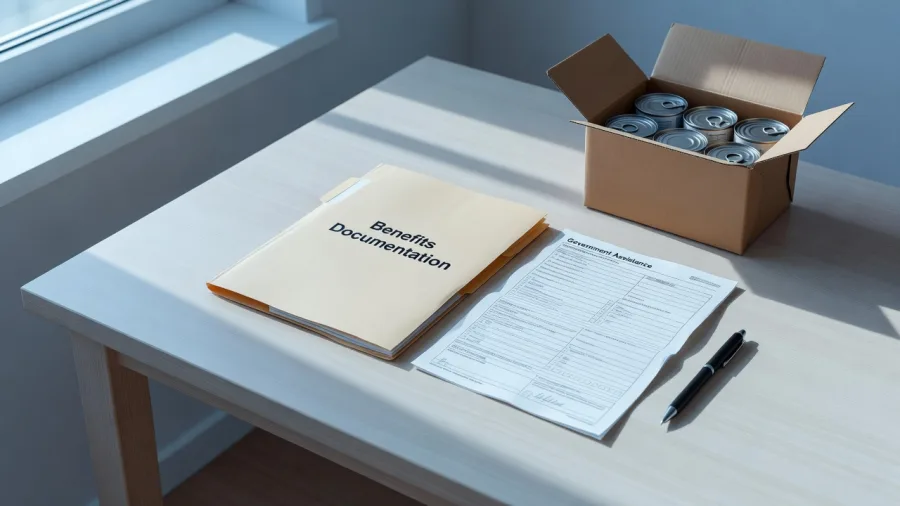
Your PHA will be much more likely to grant an exception or extension if you can provide documentation. This could include a letter from a hospital or doctor, a court document, or a written explanation of your caregiving situation. Ask for any approvals or accommodations to be confirmed in writing.
Step 4: Designate a Trusted Contact
Ask your PHA if you can designate a trusted family member, friend, or social worker who can act as a contact on your behalf during emergencies. Some PHAs allow this, and it can be a lifesaving step if you are ever unable to communicate directly due to a health crisis.
Step 5: Connect With a Housing Counselor
HUD-approved housing counselors can help you understand your rights, review your lease, and communicate with your PHA if a dispute arises. This service is often available at low or no cost.
Know Your Rights as a Senior Tenant
Seniors and individuals with disabilities have certain protections under federal fair housing laws. If your absence is related to a disability or medical condition, you may have the right to request a reasonable accommodation from your PHA, which could include an extended absence allowance. This is a formal process, so it is best to make the request in writing and document everything carefully.
Understanding public housing temporary absence rules and unit abandonment policies is not just helpful knowledge, it is essential protection for your housing stability as you age.
Take Action Before You Need To
Do not wait until a crisis happens to understand your rights. Contact your local Public Housing Authority today and ask about their temporary absence policy. You can find your local PHA through the HUD website at hud.gov, or call HUD directly at 1-800-955-2232. A HUD-approved housing counselor can also walk you through your options at no cost by calling 1-800-569-4287.
Taking a few minutes now to understand these rules could protect the home you have worked so hard to keep.
Advertisement