Advertisement
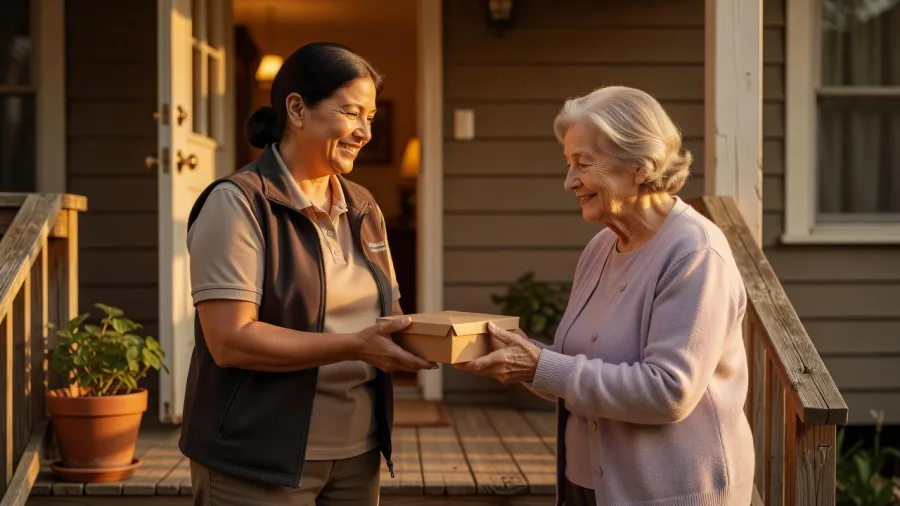
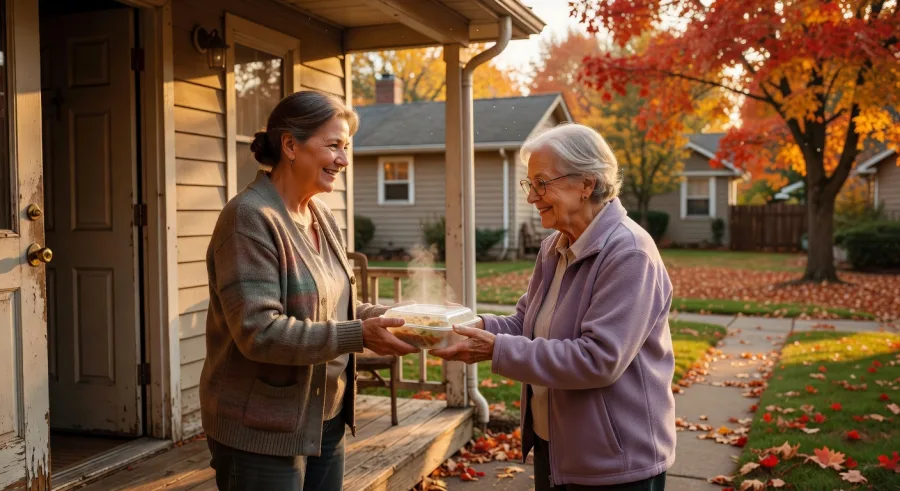
Meals on Wheels is one of the most trusted food assistance programs in the country, delivering hot meals and a friendly face to millions of homebound seniors every year. But if you or a loved one relies on this service, you may already know its limits. Deliveries often stop on weekends. Service can be paused during holidays or severe weather. And for many seniors, a single daily meal simply isn't enough to stay nourished throughout the day. The good news is that food assistance to supplement Meals on Wheels for seniors is available through several programs that work hand-in-hand with your existing delivery service. This guide walks you through exactly how to layer those resources so no one goes hungry.
Why Gaps in Meal Delivery Happen
Meals on Wheels programs are run by local organizations and Area Agencies on Aging, and their delivery schedules vary from community to community. Some programs deliver five days a week, others seven. Some provide a single hot lunch, while others include a cold dinner for later. During times of illness, caregiver absence, or program disruption, even a well-covered recipient can find themselves without food.
Recognizing these gaps is the first step. The second step is building a personal food safety net using the programs described below.
Start With SNAP: The Foundation of Food Assistance to Supplement Meals on Wheels for Seniors
The Supplemental Nutrition Assistance Program, commonly known as SNAP, is one of the most powerful tools available to low-income seniors. Monthly benefits are loaded onto an EBT card that works like a debit card at most grocery stores, farmers markets, and many online retailers. Benefit amounts vary by state, household size, and income, so it is worth checking your eligibility even if you have been turned down in the past.
Many seniors do not realize they qualify for SNAP, or they assume the benefit would be too small to matter. In reality, even a modest monthly benefit can cover staples like bread, cereal, fruit, vegetables, and shelf-stable proteins that fill the gaps between your Meals on Wheels deliveries.
- Who qualifies: Low-income individuals and households. Seniors with limited income and assets are often eligible.
- How to apply: Visit your state's SNAP agency website or call 211 to be connected to a local enrollment helper.
- Online grocery shopping: Many SNAP recipients can now use their EBT card to order groceries online for delivery, which is especially helpful for homebound seniors.
Tip: Some states have simplified SNAP applications specifically for seniors. Ask your local Area Agency on Aging if a streamlined process is available in your area.
Food Pantries and Senior Food Programs in Your Community
Local food pantries are often overlooked by seniors who worry about stigma or assume the lines are too long. Many communities now offer senior-specific pantry hours, home delivery of pantry boxes, or drive-through pickup options designed with older adults in mind. These programs typically require no income verification or only a simple self-declaration.
Beyond general food banks, look for these targeted options:
- Senior Food Box Program (CSFP): The Commodity Supplemental Food Program provides monthly boxes of nutritious USDA foods specifically for low-income seniors. Availability varies by state and county.
- Local church and nonprofit pantries: Many religious organizations and community nonprofits run weekly food distributions, some of which offer home delivery for those who cannot travel.
- Feeding America network: Feeding America connects seniors to a nationwide network of food banks. You can use their website to find the nearest location.
Grocery Delivery Services That Work for Seniors on a Budget
If mobility or transportation is the main barrier to getting food between Meals on Wheels deliveries, grocery delivery may be the answer. Several options exist at low or no cost for qualifying seniors.
Using SNAP EBT for Online Grocery Orders
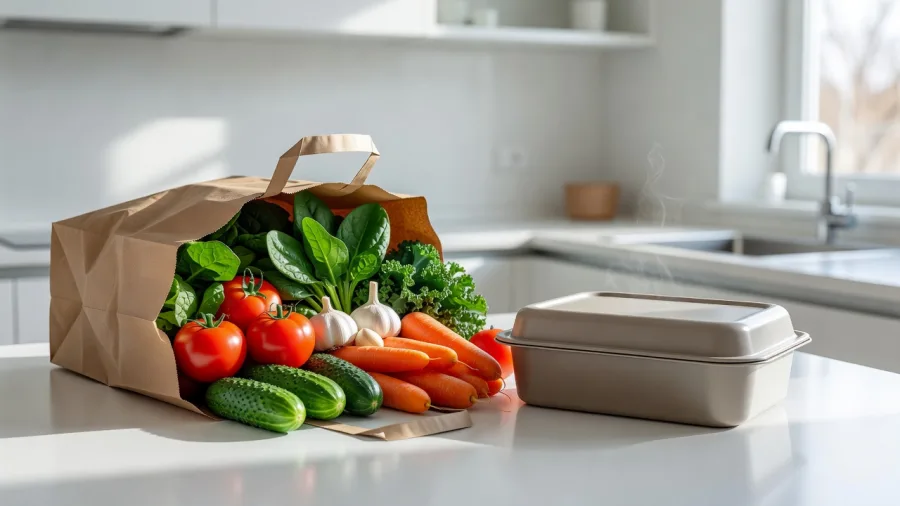
As mentioned above, SNAP benefits can now be used at many major online grocery retailers for delivery or curbside pickup. This makes it possible for a homebound senior to order fresh food without leaving the house. Check with your local SNAP office to confirm which retailers accept EBT online in your state.
Free or Low-Cost Delivery Through Volunteer Programs
Some Area Agencies on Aging and nonprofit organizations coordinate volunteer grocery shopping and delivery for seniors who cannot get to a store. These services are often free or offered on a sliding scale. Call 211 or contact your local Area Agency on Aging to ask what is available near you.
Pharmacy and Grocery Store Senior Programs
Many major grocery chains offer free delivery above a spending minimum, and some have programs specifically for seniors or SNAP recipients. Costs and eligibility change frequently, so it is worth calling your local store to ask about current options.
How to Stack These Programs Effectively
The goal is not to replace Meals on Wheels but to build around it. Here is a simple framework for layering food assistance to supplement Meals on Wheels for seniors throughout the week:
- Weekdays: Rely on Meals on Wheels for your hot daily meal.
- Weekends and gaps: Use SNAP benefits to order groceries or purchase shelf-stable foods like soups, crackers, nut butter, and canned goods that require little or no preparation.
- Monthly boost: Pick up or arrange delivery of a CSFP food box from your local distribution site.
- Emergency backup: Register with a local food pantry so you have access to food quickly if your Meals on Wheels service is disrupted.
Letting your Meals on Wheels driver or coordinator know that you sometimes go without food on weekends or between deliveries is also important. They may be able to leave a cold meal or connect you with additional resources directly.
You Do Not Have to Figure This Out Alone
Navigating multiple programs can feel overwhelming, especially if you are managing a health condition or caring for an aging parent from a distance. The single best resource for cutting through the confusion is your local Area Agency on Aging. These agencies exist specifically to connect older adults with food, transportation, health, and housing resources in their community, at no cost to you.
You can also call 211 from any phone to speak with a community resource specialist who can help identify food programs available in your ZIP code.
Your Next Step
If you or someone you care for is relying on Meals on Wheels but still experiencing hunger between deliveries, do not wait. Start with one program today. Check your SNAP eligibility online, call 211, or reach out to your Area Agency on Aging to ask what food assistance is available in your area. A little extra help can make a significant difference in health, energy, and quality of life.
Advertisement