Advertisement
Senior Transit Discounts and Cognitive Decline: You Have More Options Than You Think
For millions of Americans 55 and older, getting on a city bus or subway used to be second nature. But when dementia, anxiety, memory loss, or other cognitive and mental health conditions enter the picture, even a familiar bus route can feel overwhelming. If you or someone you care for is in this situation, the good news is that many transit systems have recognized this challenge and built programs specifically designed to help. Senior transit discount programs for dementia and cognitive decline are more accessible than most families realize, and travel training resources can make a real difference in maintaining independence.
This guide walks you through what reduced fare transit programs offer, how cognitive and mental health conditions are accommodated, and what steps you can take to get started safely.
What Are Reduced Fare Transit Programs?
Most major public transit systems in the United States offer significantly discounted or even free fares for seniors, typically starting at age 65, and for people with qualifying disabilities. Discounts generally range from 50% to 100% off standard fares, depending on the city and the program.
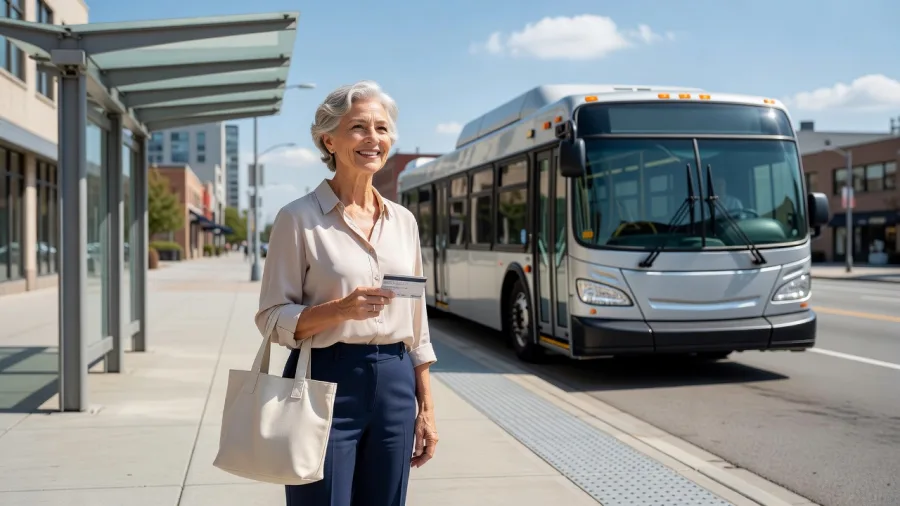
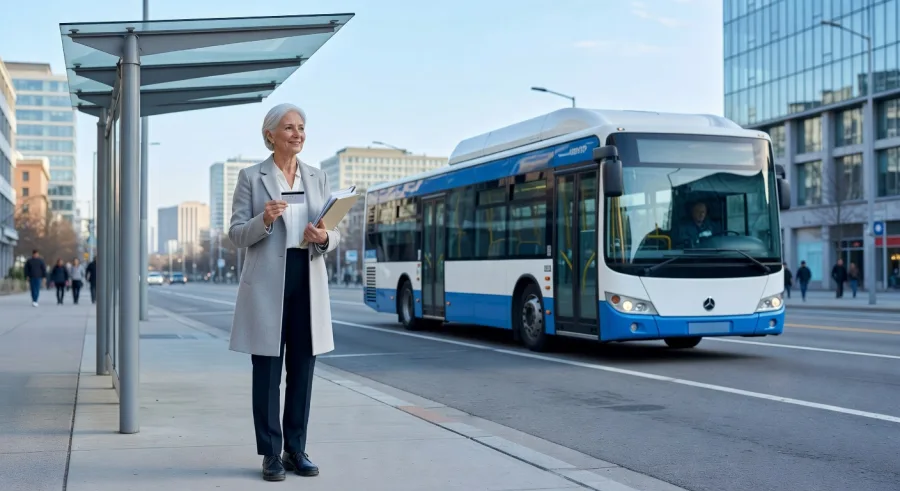
To access these discounts, riders usually need to obtain a reduced fare card or a special ID issued by their local transit authority. This card is presented when boarding, and in many systems it works automatically at card readers. The application process is typically straightforward and may require proof of age or, for disability-based eligibility, documentation from a medical provider.
Importantly, cognitive and mental health conditions such as Alzheimer's disease, other forms of dementia, anxiety disorders, and memory impairment can qualify a person for disability-based reduced fare status even if they are under 65. Check with your local transit authority to understand what documentation is required.
How Transit Systems Accommodate Riders With Dementia or Cognitive Decline
Beyond the fare discount itself, many transit agencies have developed specific supports for riders who may struggle with memory, wayfinding, or anxiety. These vary by city, but here are some of the most common accommodations you should ask about.
Travel Training Programs
One of the most valuable resources available is travel training for seniors with cognitive decline. These free or low-cost programs pair a rider with a trained instructor who teaches them how to navigate a specific route step by step. Sessions are repeated until the rider feels confident, and the pace is adjusted to the individual's needs.
Cities including New York, Chicago, Los Angeles, and many mid-sized metro areas offer formal travel training through their transit agencies or through partner nonprofit organizations. Some programs are specifically designed for people with intellectual disabilities or early-stage dementia. Ask your transit authority directly whether they offer travel training, or search for disability services organizations in your area that may run similar programs.
Companion and Caregiver Ride Policies
Many transit systems allow a personal care attendant or companion to ride alongside a person with a disability at no charge or at a reduced fare. This policy is especially relevant for seniors with dementia or significant anxiety who cannot safely ride alone but still benefit from the accessibility and independence that public transit provides.
To use a companion fare benefit, the primary rider typically needs to be enrolled in the transit agency's disability reduced fare program. The companion's eligibility to ride free or at a discount is then linked to that enrollment. Policies vary, so confirm the details with your local agency.
ID and Card Accommodations for Memory Loss
Carrying and remembering to use a transit card can be a real obstacle for someone with memory loss. Some transit agencies offer options that make this easier, including cards that can be attached to a lanyard or wristband, accounts linked to phone-based payment apps, or photo ID cards that bus operators can visually verify without requiring the rider to swipe or tap correctly every time.
If a rider has lost their reduced fare card or forgets it regularly, speak with the transit authority about replacement options and whether temporary passes or grace procedures exist. Some systems have formal policies for riders who have documented memory conditions.
Paratransit: When Fixed-Route Transit Is Not Feasible
For seniors whose cognitive or physical limitations make it impossible to use fixed-route buses or subways safely, paratransit services offer a critical alternative. Under the Americans with Disabilities Act, transit agencies that operate fixed-route service are required to provide complementary paratransit service to eligible riders who cannot use the regular system.
Paratransit typically involves door-to-door or curb-to-curb rides in smaller vehicles, scheduled in advance. Fares are capped under federal rules at no more than twice the standard fixed-route fare, making them affordable for many riders. Eligibility is determined by the transit agency and usually requires an application and sometimes a functional assessment.
- Who qualifies: People whose disability prevents them from independently using fixed-route transit for some or all trips
- How to apply: Contact your local transit authority and ask for a paratransit eligibility application
- What to expect: An interview or assessment process, usually completed within 21 days under federal guidelines
- Companion rides: Many paratransit services also allow a personal care attendant to ride at no additional cost
Tips for Caregivers Helping a Senior Access Transit Benefits
If you are helping a parent, spouse, or other loved one apply for reduced fare transit benefits, here are some practical steps to keep in mind.
- Gather documentation early, including proof of age, a government-issued ID, and any medical letters confirming a cognitive or mental health diagnosis
- Call the transit authority before visiting in person to confirm what is needed and whether appointments are required
- Ask specifically about travel training programs and whether they serve riders with memory loss or anxiety
- Inquire about companion fare policies so you understand your own eligibility when accompanying your loved one
- Look into area agencies on aging in your community, as they often help seniors navigate transit applications and can connect families with local travel training resources
Many families do not realize that cognitive conditions like early-stage dementia can qualify a senior for disability-based transit discounts, even before age 65. It is always worth asking.
Finding Senior Transit Discount Programs for Dementia and Cognitive Decline in Your Area
Transit programs are locally administered, so the specific benefits, application process, and support services available to you depend on where you live. The best starting points are your city or regional transit authority's website, your state's department of transportation, or your local Area Agency on Aging.
The Federal Transit Administration also maintains resources for riders with disabilities, and the Easter Seals Project ACTION program has historically provided travel training resources and guidance for transit agencies and riders with disabilities across the country.
Take the Next Step Today
If you or a loved one has dementia, anxiety, memory loss, or another cognitive condition that makes riding public transit feel difficult or impossible, do not assume that transit benefits are out of reach. Reduced fare cards, companion ride policies, travel training programs, and paratransit services exist precisely for situations like yours.
Start by contacting your local transit authority directly and asking about reduced fare eligibility for people with disabilities, travel training programs, and paratransit services. You can also call the Eldercare Locator at 1-800-677-1116 to be connected with your local Area Agency on Aging, which can help guide you through available transportation options in your community.
Advertisement