Advertisement
When most people hear about Meals on Wheels, they think about hot food delivered to the door. And yes, that nutrition matters enormously. But there is something else happening every time a volunteer or driver shows up at a senior's home — something that quietly saves lives every single day. It is called the Meals on Wheels wellness check, and for millions of older Americans living alone, it may be the most important knock on the door they receive all week.
What Is the Meals on Wheels Wellness Check?
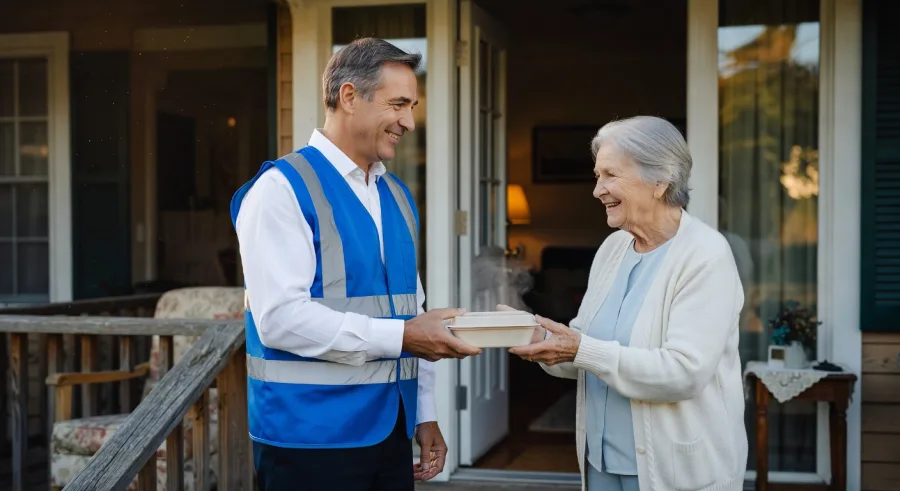
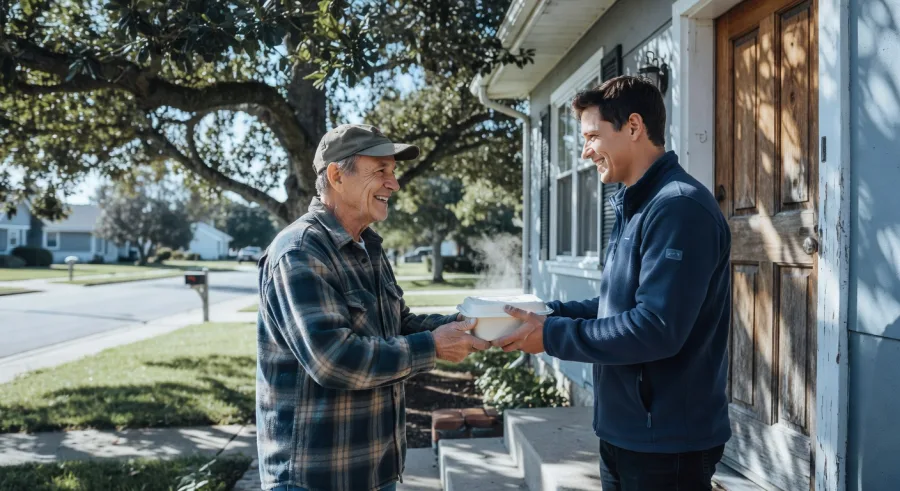
The Meals on Wheels wellness check is a brief, in-person safety visit that happens naturally as part of every meal delivery. When a volunteer or staff member arrives at your door, they are not just dropping off food. They are checking to see how you are doing. They notice whether you seem well, whether you are moving safely, and whether anything seems off.
This is not a clinical evaluation — it is a human connection. Deliverers are trained to look for warning signs that something may be wrong, such as:
- Signs of a fall or injury
- Confusion or disorientation
- Medication concerns
- Changes in appearance or behavior that suggest a health decline
- Unsafe living conditions like extreme heat or cold
If something looks concerning, the delivery volunteer can alert a supervisor, contact a family member, or in emergencies, call for help. That simple system has made a real difference in communities across the country.
Why the Wellness Check Matters More Than You Think
For seniors who live alone, going unnoticed in a medical emergency is a very real danger. Falls are one of the leading causes of injury among older adults, and many seniors who fall at home are unable to get up or call for help. Without a regular check-in from someone outside the home, hours or even days can pass before anyone realizes something is wrong.
The Meals on Wheels wellness check creates a reliable daily touchpoint. For many recipients, the meal delivery volunteer is the only person they will see that day. That makes the visit far more than a delivery — it is a lifeline.
For homebound seniors, a daily knock on the door can mean the difference between getting help quickly and a crisis going unnoticed for far too long.
Studies and program reports from Meals on Wheels America have consistently shown that recipients feel safer, less isolated, and more confident knowing someone will check on them each day. The social connection alone has meaningful health benefits, including reduced rates of depression and anxiety among older adults.
Who Qualifies for Meals on Wheels?
Meals on Wheels programs are designed to serve seniors who are homebound or who have difficulty shopping for food, cooking safely, or getting out of the house. You do not need to be completely immobile to qualify — many recipients simply face physical limitations, health conditions, or transportation challenges that make meal preparation difficult or unsafe.
While specific eligibility requirements vary by location, many programs prioritize:
- Adults age 60 and older
- Individuals recovering from surgery, illness, or hospitalization
- Those with chronic health conditions affecting their mobility or energy
- Seniors living alone without nearby family support
Importantly, cost is rarely a barrier. Many Meals on Wheels programs offer meals at little or no cost to the recipient. Some programs operate on a suggested donation basis, meaning you pay what you can afford. Funding comes through a combination of federal programs like the Older Americans Act, state and local government support, and private donations. You do not need to prove financial hardship to receive services in most areas.
What to Expect From the Program
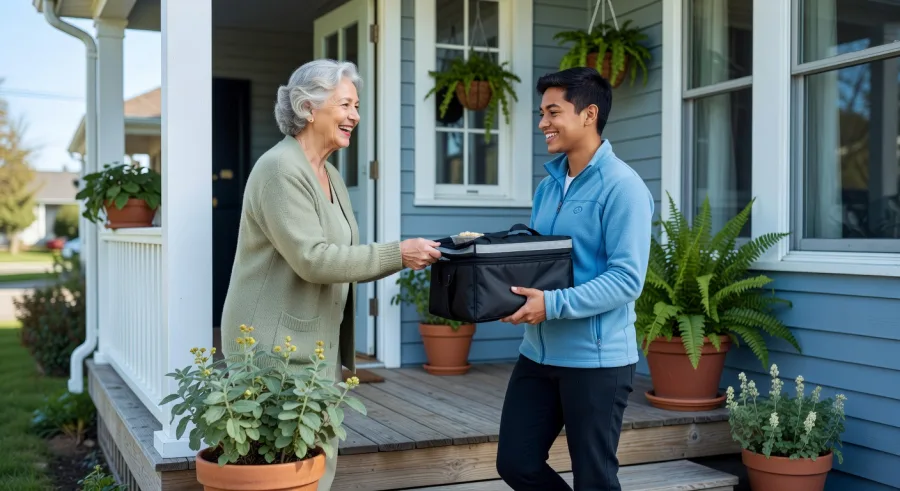
Once you are enrolled, a volunteer or paid delivery driver will typically bring a hot meal — and sometimes a cold meal or snacks for later — directly to your home. Delivery frequency varies by program, but many offer five to seven days per week service. Some programs also offer weekend or holiday coverage.
During each visit, the Meals on Wheels wellness check happens naturally and without making the experience feel clinical or invasive. Most recipients describe their delivery volunteers warmly — as friendly familiar faces who genuinely care about them. Many long-term recipients say the daily connection is just as meaningful as the food itself.
Beyond the Meal: Additional Services in Some Areas
Depending on where you live, your local Meals on Wheels affiliate may offer more than just food delivery. Some programs provide:
- Grocery or pantry assistance for stocking up between deliveries
- Pet food delivery for seniors who depend on companion animals
- Friendly phone check-ins on days when in-person delivery is not scheduled
- Connections to other community services like transportation, home repair, or caregiver support
These extras vary widely by region, so it is worth asking your local program what is available in your community.
How to Sign Up for Meals on Wheels
Getting started is straightforward. The best first step is to contact your local Meals on Wheels program directly. Because the national Meals on Wheels network is made up of more than 5,000 local programs across the country, services and sign-up processes differ by area.
You have a few easy ways to connect:
- Visit MealsOnWheelsAmerica.org and use the program finder to locate your nearest provider
- Call the Eldercare Locator at 1-800-677-1116 — a free service that can connect you to local aging services including Meals on Wheels
- Contact your local Area Agency on Aging (AAA), which coordinates senior services in your region and can guide you through enrollment
There may be a waitlist in some areas due to high demand, but do not let that discourage you. Reaching out early means you get on the list sooner, and many programs can connect you with temporary support while you wait.
A Simple Program With a Profound Impact
Meals on Wheels was never just about food. From the beginning, it has been about keeping older Americans safe, connected, and supported in their own homes. The daily Meals on Wheels wellness check is a quiet but powerful part of that mission — a small moment of human contact that can prevent tragedy, reduce isolation, and give both seniors and their families genuine peace of mind.
If you or someone you love is homebound or struggling to prepare meals safely, do not wait to reach out. This program exists specifically to help, and it may make a bigger difference than you expect.
Next step: Visit MealsOnWheelsAmerica.org or call the Eldercare Locator at 1-800-677-1116 to find your local program and learn how to enroll today.
Advertisement