Advertisement
If you receive a monthly food box through the Commodity Supplemental Food Program (CSFP) — or are thinking about signing up — you may be wondering whether the food inside is something you can actually eat comfortably. For many seniors dealing with tooth loss, ill-fitting dentures, or other oral health challenges, eating can be genuinely difficult and even painful. The good news is that many CSFP food box options for seniors with chewing difficulties are more manageable than you might expect, and with a few simple preparation tips and the right questions asked at your local distribution site, you can make the most of every box.
What Comes in a CSFP Food Box?
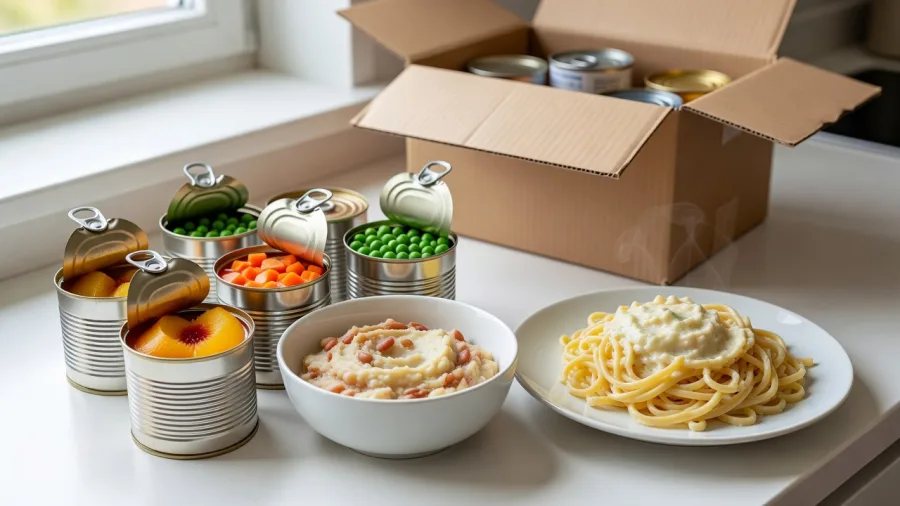
Each month, eligible seniors aged 60 and older who meet income guidelines can receive a CSFP food package worth approximately $50 or more in nutritional staples. Typical box contents include:
- Canned fruits and vegetables
- Canned meat (such as chicken or tuna)
- Canned beans and legumes
- Juice
- Shelf-stable milk
- Cereal
- Pasta
- Cheese
- Peanut butter
While this is a generous assortment, some items — like dry pasta or certain cereals — require a bit of thoughtful preparation before they become easy to eat for someone with dental challenges. Others, like canned peaches or soft-cooked canned beans, are naturally gentle on the mouth.
CSFP Food Box Options for Seniors With Chewing Difficulties: The Best Items to Start With
Not every item in your CSFP box requires extensive chewing. Here is a closer look at what tends to work well right out of the package, and how to prepare other items so they are easier to manage.
Naturally Soft or Easy-to-Modify Items
- Canned fruits: Peaches, pears, and fruit cocktail in juice or light syrup are naturally soft and require very little chewing. These make excellent snacks or additions to breakfast.
- Canned vegetables: Cooked canned corn, green beans, and carrots soften further when briefly warmed on the stove or in the microwave.
- Canned beans: Kidney beans, pinto beans, or chickpeas can be mashed easily with a fork or blended into a smooth spread. They are high in protein and gentle on sensitive gums.
- Canned meat: Tuna and canned chicken flake apart naturally and mix well with a small amount of mayo or soft cheese to create a spread that requires almost no chewing at all.
- Shelf-stable milk and juice: These require no preparation and are a great way to keep up nutrition when eating solid foods feels like too much effort.
- Peanut butter: Creamy peanut butter is a protein-rich option that dissolves easily and does not require chewing. It pairs well with soft bread or can be stirred into warm oatmeal.
- Cheese: Soft cheese varieties can be melted over cooked vegetables or pasta to add calories and protein while making the overall dish easier to swallow.
Items That Need a Little Preparation
- Pasta: Cook pasta two to three minutes longer than the package suggests. Overcooking softens the texture significantly, making it much easier on tender gums or loose dentures. Blend with a soft sauce or canned tomatoes for a complete meal.
- Cereal: Let cereal soak in warm milk for five to ten minutes before eating. This softens even crunchier varieties into a porridge-like texture. Add canned fruit on top for extra nutrition.
Simple Meal Ideas Using CSFP Box Staples
Putting these items together does not have to be complicated. Here are a few easy, denture-friendly meal ideas using what is likely already in your CSFP box:
- Soft tuna bowl: Mix canned tuna with a small amount of creamy cheese or mayo. Serve over well-cooked pasta or with soft crackers.
- Warm bean mash: Drain and rinse canned beans, then heat them and mash with a fork. Season lightly with salt. This works as a side dish or a topping for soft bread.
- Fruit and milk breakfast: Soak cereal in warm milk until soft, then top with canned peaches or pears. Easy to eat, nutritious, and filling.
- Creamy vegetable soup: Blend canned vegetables with shelf-stable milk and a little salt to make a simple pureed soup that is easy to sip or spoon.
Can You Request Substitutions or Accommodations Through CSFP?
This is one of the most important questions seniors with chewing difficulties should ask. The short answer is: it depends on your local agency, but it is always worth asking.
CSFP food packages are standardized at the federal level, meaning the USDA determines what types of foods are included. However, local distributing agencies — often food banks or community nonprofits — sometimes have flexibility in which specific products they stock within each category. For example, if your box regularly includes a hard or crunch-heavy cereal, your local site may be able to offer an alternative variety that is easier to soften.
Tip: When you pick up your monthly box, speak directly with the staff or volunteer coordinator. Explain your situation clearly and ask what options are available. Many agencies are eager to help seniors get the most out of the program.
If you rely on a home delivery arrangement through your local agency, call ahead and ask whether any item adjustments are possible given your health needs. While full substitutions outside the approved product list may not always be available, your local coordinator may know of additional food pantry resources or supplemental programs that can fill the gaps.
Other Resources That Can Help
If dental problems are making it difficult to eat regularly, it may also be worth looking into low-cost dental care options in your area. Federally Qualified Health Centers (FQHCs) often offer dental services on a sliding fee scale based on income. Your local Area Agency on Aging can point you toward these resources as well.
Additionally, if you are already receiving CSFP benefits, ask your local coordinator whether you also qualify for SNAP (Supplemental Nutrition Assistance Program), which gives you more flexibility to purchase the specific foods that work best for your situation, including softer bread, yogurt, or other items not typically found in a CSFP box.
Take the Next Step
If you are not yet enrolled in CSFP, now is a great time to check whether you qualify. The program is open to low-income seniors aged 60 and older, and over 700,000 Americans already receive these monthly food packages. Spots can be limited by location, so getting on the list early matters.
To find your nearest CSFP distribution site or get help applying, visit the USDA Food and Nutrition Service website at fns.usda.gov or call your local food bank directly. You can also reach out to your local Area Agency on Aging by calling the Eldercare Locator at 1-800-677-1116 — they can connect you with CSFP and other senior nutrition programs in your community.
Eating well should not be a struggle, and with the right preparation and a few conversations with your local agency, your monthly CSFP food box can become a reliable foundation for nutritious, comfortable meals every day.
Advertisement