Advertisement
If you or a loved one has been considering Meals on Wheels but worried the food might not fit your health needs, you are not alone. Many seniors hesitate to sign up because they are managing conditions like diabetes, high blood pressure, or heart disease and are not sure whether the program can accommodate them. The good news is that Meals on Wheels special diet options for seniors are more flexible and thoughtful than most people realize. This article breaks down exactly what you can expect on your plate and how the program works to support your health.
What Is Meals on Wheels, Really?
Meals on Wheels is a nationwide network of local programs that delivers nutritious, home-cooked meals directly to seniors who have difficulty shopping or preparing food on their own. It serves millions of older Americans every year, and in many cases the meals come at little or no cost to the recipient.
Beyond the food itself, many local programs include a daily wellness check as part of the delivery. That means a friendly volunteer or staff member stops by, confirms you are doing okay, and provides a brief but meaningful human connection. For seniors living alone, that check-in can be just as valuable as the meal itself.
Meals on Wheels Special Diet Options for Seniors: What Most Programs Offer
One of the biggest misconceptions about Meals on Wheels is that everyone gets the same generic tray of food. In reality, most local programs work hard to accommodate common dietary restrictions that seniors face. Here is a look at the meal types you are likely to find:
Diabetic-Friendly Meals
Meals designed for people managing diabetes typically focus on controlled carbohydrate portions, low added sugar, and a balance of protein, fiber, and healthy fats. These meals are built to help keep blood sugar levels stable throughout the day. Rather than eliminating all carbohydrates, the goal is to serve the right kinds in sensible amounts alongside vegetables and lean protein.
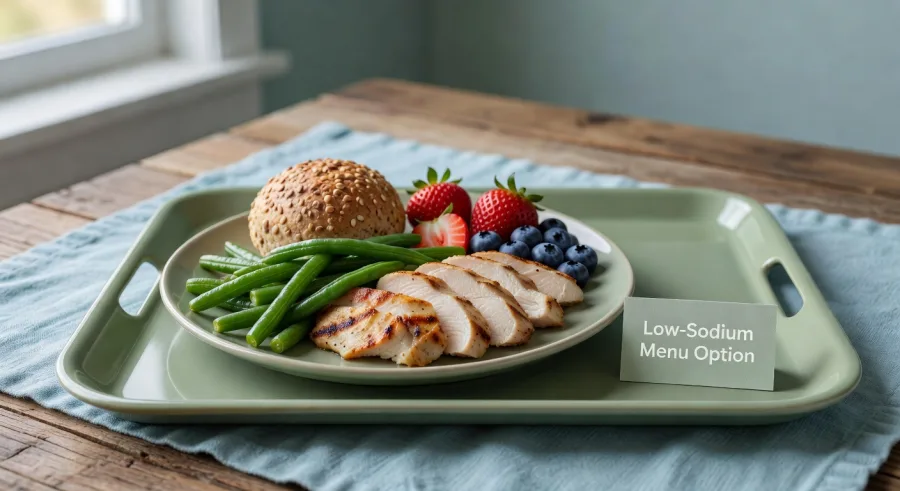
Low-Sodium Meals
High sodium intake is a concern for seniors with high blood pressure, heart disease, kidney conditions, or fluid retention issues. Many Meals on Wheels programs offer low-sodium options that reduce salt without sacrificing flavor. Cooks often rely on herbs, spices, and natural seasonings to keep meals enjoyable while keeping sodium levels in check.
Heart-Healthy Meals
Heart-healthy menus typically limit saturated fats, trans fats, and cholesterol while emphasizing vegetables, whole grains, and lean proteins like chicken or fish. These meals align with guidance from cardiologists and registered dietitians who help design the menus at many local programs.
Pureed and Texture-Modified Meals
Seniors with swallowing difficulties, dental problems, or certain neurological conditions may need meals that are easier to eat. Many programs offer pureed, minced, or mechanically soft options that maintain nutritional value while making eating safer and more comfortable. If this is a need in your household, it is worth asking about specifically when you contact your local program.
Renal and Dialysis-Specific Meals
Some programs go even further and offer meals tailored for people on dialysis or managing chronic kidney disease. These meals carefully control potassium, phosphorus, and sodium levels. Availability varies by location, so check with your local provider to find out what is offered in your area.
How Nutritious Are the Meals?
Federal guidelines require that meals funded through the Older Americans Act provide at least one-third of the recommended daily intake for key nutrients. That means each delivered meal is designed to be a meaningful nutritional contribution to your day, not just a stopgap.
Most programs employ registered dietitians to review and approve their menus. Meals typically include an entree, a side dish or vegetable, bread, a dessert or fruit, and sometimes milk or juice. Portion sizes are calibrated for older adults, taking into account that caloric needs often shift with age while the need for vitamins and minerals remains high.
What to Expect When You Sign Up
When you first contact your local Meals on Wheels program or Area Agency on Aging, someone will usually walk you through a brief intake process. This is your opportunity to share any dietary restrictions, allergies, or health conditions. Be open and specific, because this information directly shapes what gets delivered to your door.
- Share your diagnosis: Let them know if you have diabetes, heart disease, kidney disease, or any other condition that affects what you can eat.
- Mention allergies: Food allergies and intolerances like gluten sensitivity can often be accommodated depending on the program.
- Ask about frequency: Some programs deliver daily, others a few times per week. Some offer frozen meals that can be stored and heated as needed.
- Inquire about weekend delivery: Coverage on weekends and holidays varies by program, so it is worth asking upfront.
Meals on Wheels Special Diet Options for Seniors: How to Find Your Local Program
Meals on Wheels programs are operated locally, which means the specific diet options available to you depend on where you live. The national Meals on Wheels America organization connects people with their nearest provider through a simple zip code search on their website. You can also call your local Area Agency on Aging, which coordinates senior services in your region and can point you toward meal delivery programs in your community.
If cost is a concern, do not let that stop you from reaching out. Many programs operate on a sliding-scale or suggested-donation basis, and no senior is turned away solely due to inability to pay.
Is Meals on Wheels Right for You?
If you or someone you care for is managing a chronic health condition and struggling to prepare balanced meals every day, Meals on Wheels could be a genuine lifeline. The program is not just for people who are completely homebound. If getting to the grocery store is difficult, if cooking has become unsafe or exhausting, or if you simply want the peace of mind that comes with a daily wellness check, this program is worth exploring.
The food is designed with your health in mind, the staff and volunteers genuinely care, and the process to get started is simpler than most people expect.
Your Next Step
Visit the Meals on Wheels America website at mealsonwheelsamerica.org to find your local program using your zip code. You can also call the Eldercare Locator at 1-800-677-1116, a free national resource that connects older adults and caregivers with local services including meal delivery. Make the call or visit the site today. A nutritious meal and a friendly face at your door could be closer than you think.
Advertisement