Advertisement
CSFP vs SNAP for Seniors: Two Programs, One Goal
If you are a senior on a fixed income, putting nutritious food on the table every month can be a real challenge. The good news is that the federal government offers more than one program to help. Two of the most valuable food assistance options for older Americans are CSFP (the Commodity Supplemental Food Program) and SNAP (the Supplemental Nutrition Assistance Program). Many seniors do not realize they may be eligible for both — and that using one does not cancel out the other. Understanding the difference between CSFP vs SNAP for seniors can help you make the most of what is available to you.
What Is CSFP?
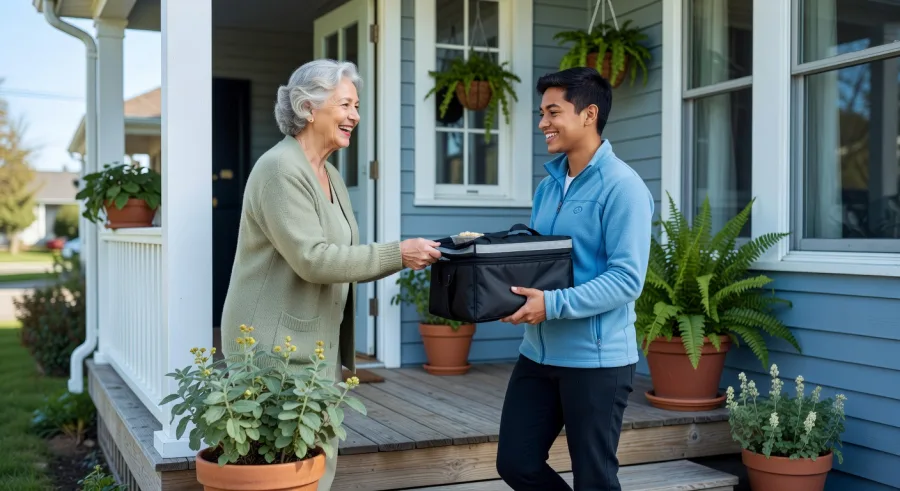
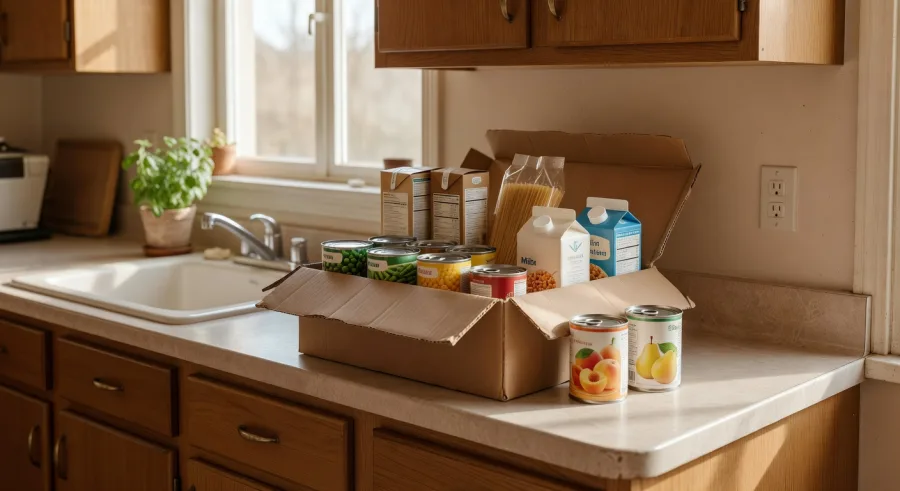
The Commodity Supplemental Food Program provides monthly food boxes to low-income adults age 60 and older. These boxes are packed with shelf-stable staples like canned fruits and vegetables, canned meat, cereal, pasta, cheese, juice, and shelf-stable milk. Each package is worth approximately $50 or more in grocery value, depending on what is included each month.
CSFP is run by the U.S. Department of Agriculture (USDA) and distributed through a network of local food banks, community organizations, and senior centers. Right now, more than 700,000 seniors across the country participate in this program. It is simple, reliable, and requires no trip to the grocery store — you pick up your box at a scheduled local distribution site.
Who Qualifies for CSFP?
- You must be 60 years of age or older
- Your income must fall at or below a certain threshold, which is based on federal poverty guidelines and may vary slightly by state
- You must live in an area where the program is operating — not all counties participate
Because the program has limited funding, some areas have waiting lists. That means it is worth applying as early as possible, even if you are not sure you will be accepted right away.
What Is SNAP?
SNAP, sometimes still called food stamps, is the largest federal nutrition assistance program in the United States. Instead of a food box, SNAP provides a monthly benefit loaded onto an EBT card that works like a debit card at most grocery stores, farmers markets, and some online retailers.
SNAP is available to people of all ages who meet income and resource requirements. For seniors, there are some special considerations that make SNAP especially accessible. Medical expenses, for example, can be deducted when calculating your income for SNAP eligibility, which can significantly increase the benefit amount a senior receives. Many older adults are surprised to find they qualify for more than they expected once those deductions are factored in.
Who Qualifies for SNAP as a Senior?
- You must meet income limits based on your household size — thresholds vary by state and are updated periodically
- Seniors 60 and older and people with disabilities may qualify under different rules than the general population
- Resources like a home, car, and certain retirement accounts are generally excluded from the calculation
- There is no work requirement for seniors
SNAP benefits are flexible — you choose what to buy based on your own dietary needs and preferences. That is a big difference from CSFP, where the contents of the food box are predetermined.
CSFP vs SNAP for Seniors: Key Differences at a Glance
- Form of benefit: CSFP provides a physical food box; SNAP provides money on an EBT card
- Age requirement: CSFP is only for adults 60 and older; SNAP is available to eligible people of all ages
- Flexibility: SNAP lets you choose your own groceries; CSFP contents are set each month
- Where you get it: CSFP is picked up at a local distribution site; SNAP is used at participating retailers
- Availability: SNAP is available nationwide; CSFP is only available in participating counties
- Waiting lists: CSFP may have waiting lists due to limited funding; SNAP does not
Can You Receive Both CSFP and SNAP at the Same Time?
Yes — and this is the part many seniors do not know. You are allowed to participate in both CSFP and SNAP simultaneously. The two programs are designed to complement each other, not replace one another. In fact, the USDA encourages eligible seniors to take advantage of both if they qualify.
Think of it this way: your monthly CSFP food box takes care of the basics — shelf-stable pantry items that can last the whole month. Your SNAP benefits can then stretch further toward fresh produce, dairy, proteins, and other perishables that the box does not include. Together, the two programs can make a meaningful difference in your monthly food budget.
Many seniors who receive CSFP boxes find that pairing them with SNAP benefits allows them to eat more varied, nutritious meals throughout the month without worrying about running short before the next check arrives.
How to Apply for CSFP and SNAP
Applying for CSFP
To apply for CSFP, contact your local food bank or community action agency. You can search for the nearest CSFP distribution site through the USDA Food and Nutrition Service website or by calling your local Area Agency on Aging. Bring proof of age, proof of income, and proof of address when you apply.
Applying for SNAP
SNAP is administered at the state level. You can apply online through your state's SNAP agency website, in person at your local SNAP office, or by mail. Many states also allow seniors to complete the process by phone. The USDA SNAP website at fns.usda.gov provides links to every state's application portal and contact information.
If you are not sure whether you qualify for SNAP, the USDA offers a free pre-screening tool on its website that can give you a general idea before you formally apply. It only takes a few minutes and requires no personal identification to use.
Do Not Leave Benefits on the Table
Millions of eligible seniors are not enrolled in one or both of these programs. Whether it is because they did not know they qualified, felt unsure about the process, or believed accepting help was not right for them — the result is the same: real money for food left unclaimed every month.
These programs exist because lawmakers and communities recognize that older Americans deserve to eat well, regardless of income. There is no shame in using benefits you have earned through a lifetime of work and contribution. Getting enrolled in CSFP, SNAP, or both could mean hundreds of dollars in food support every year.
Your Next Step
If you or someone you love is 60 or older and on a limited income, take action today. Visit fns.usda.gov to learn more about both CSFP and SNAP, find your state's application portal, and use the free SNAP pre-screening tool. You can also call the USDA National Hunger Hotline at 1-866-3-HUNGRY (1-866-348-6479) to speak with someone who can connect you with local food resources, including CSFP distribution sites near you. Do not wait — the sooner you apply, the sooner you can start benefiting from the support that is already available to you.
Advertisement