Advertisement
The Hidden Threat Hanging Off Your Roofline
Most homeowners barely think about their gutters until something goes wrong. But if your gutters are clogged, sagging, or pulling away from your home, they could be quietly setting the stage for one of the most expensive repairs a homeowner can face. Understanding how gutters protect your foundation from water damage is one of the smartest things you can do to preserve your home and your savings.
For homeowners 55 and older, protecting your home's value and avoiding surprise repair bills is more important than ever. The good news: replacing aging gutters is relatively affordable, and it can save you from catastrophic costs down the road.
Why Gutters Matter More Than You Think
Your gutters have one essential job: channel rainwater away from your home. When they do that job well, water flows off your roof, into the gutter, through the downspout, and safely away from your foundation. When they fail, that water has to go somewhere — and it almost always ends up somewhere it shouldn't.
Here is what happens when gutters stop working properly:
- Water pools around your foundation. Soil saturated with water expands and contracts, putting enormous pressure on foundation walls. Over time, this causes cracking, shifting, and structural instability.
- Basement flooding increases. Water that collects near the base of your home finds its way inside through cracks, window wells, and porous concrete blocks.
- Mold and mildew take hold. Moisture in your basement or crawl space creates the perfect environment for mold growth, which can affect your health and your home's air quality.
- Soil erosion damages landscaping. Without proper drainage, water cascades off your roof and strips away mulch, topsoil, and plants around your home.
- Siding and fascia boards rot. Overflowing gutters send water sheeting down the side of your home, soaking wood trim and siding over and over again.
How Water Damage Connects Directly to Foundation Failure
Foundation damage is one of those repairs that sneaks up on you. You might notice a small crack in your basement wall and not think much of it. But that crack is often the first sign that water has been eroding the soil around your home for years.
When the soil beneath and around your foundation becomes oversaturated repeatedly, it loses its ability to support the weight of your home evenly. This is called differential settlement, and it can cause doors and windows to stick, floors to slope, and walls to crack both inside and outside your home.
Foundation repairs caused by water damage can cost anywhere from $5,000 to $10,000 or significantly more, depending on the severity and your location. In contrast, replacing your gutters typically runs between $1,000 and $3,000 for an average-sized home. That math makes gutter replacement one of the most cost-effective investments a homeowner can make.
Preventing water damage with properly functioning gutters is far less expensive than repairing the foundation damage that neglected gutters cause.
Signs Your Gutters Are Already Failing
Not sure whether your gutters need attention? Walk around your home during or right after a heavy rain and look for these warning signs:
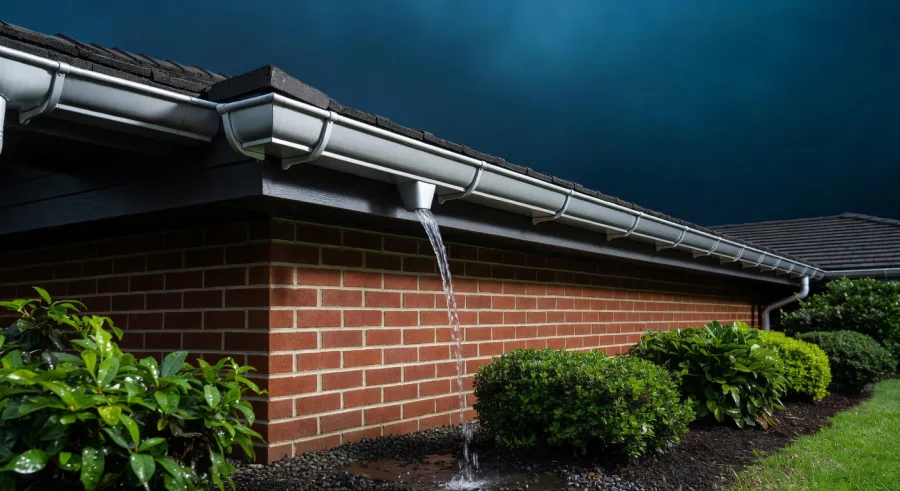
- Water spilling over the sides of the gutters instead of flowing through the downspout
- Gutters pulling away from the roofline or sagging in the middle
- Peeling paint or rust stains on the outside of the gutters
- Puddles forming around your foundation after rain
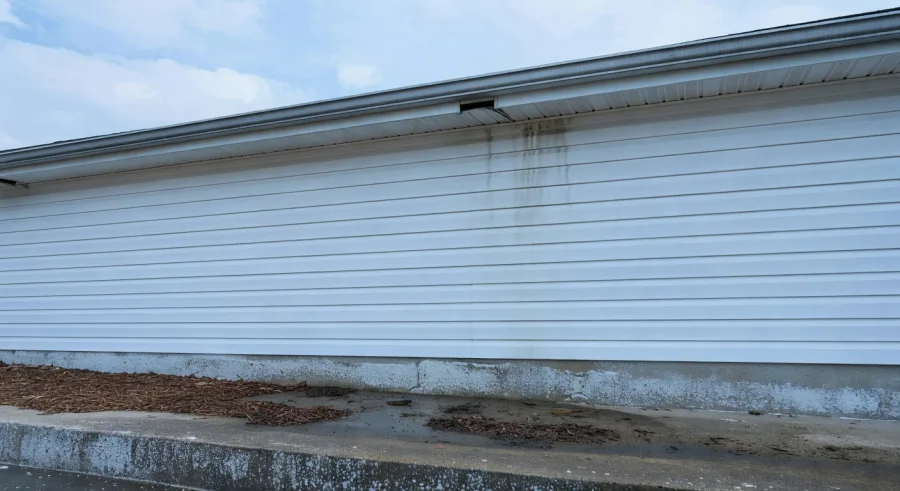
- Water stains on your siding directly below the gutters
- Soil erosion or divots in the ground beneath your roofline
- Basement dampness or water intrusion after heavy rainfall
If you are seeing any of these signs, your gutters are likely no longer doing their job of protecting your foundation from water damage.
What to Look for in Replacement Gutters
If you decide it is time to replace your gutters, a few features are worth understanding before you talk to a contractor.
Seamless Gutters vs. Sectional Gutters
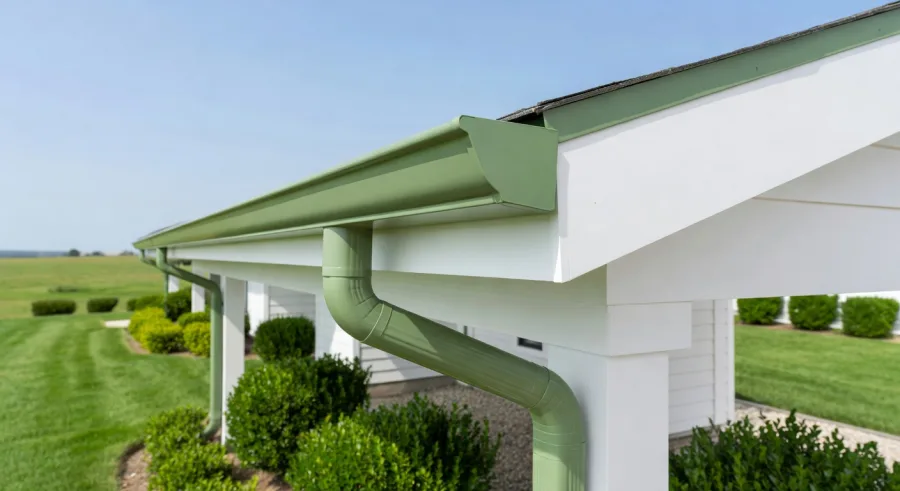
Traditional sectional gutters are pieced together in sections that connect with joints. Those joints are where leaks most commonly develop. Seamless gutters are custom-formed from a single continuous piece of material, cut to fit your home exactly. They have fewer joints, which means fewer opportunities for leaks and longer overall lifespan. Most professionals recommend seamless gutters for this reason.
Gutter Guards
Gutter guards are covers or inserts that sit over the top of your gutters to keep leaves and debris from clogging them. For older homeowners who prefer not to climb ladders for seasonal cleaning, gutter guards can significantly reduce the maintenance your gutters require. They do add to the upfront cost, but many homeowners find the convenience well worth it.
Proper Downspout Placement
Even new gutters will cause problems if the downspouts do not direct water far enough from your home. As a general rule, water should be discharged at least three to six feet from your foundation. Extensions and underground drainage systems can help achieve this if your yard does not naturally slope away from the house.
How Gutters Protect Your Foundation and Your Home Value
Healthy, functioning gutters protect more than just your foundation. They also protect your roof by preventing water from backing up under shingles. They protect your siding from rot and staining. They protect your landscaping from erosion. And they protect your curb appeal, which matters if you ever plan to sell your home.
For homeowners 55 and older who have worked hard to build equity in their homes, allowing preventable water damage to take hold can quietly erode that value. Replacing your gutters is not just about home maintenance — it is about protecting a significant financial asset.
Take Action Before Water Damage Gets Worse
The sooner you address failing gutters, the less likely you are to face serious foundation repairs. Water damage is progressive, meaning it tends to get worse over time, not better.
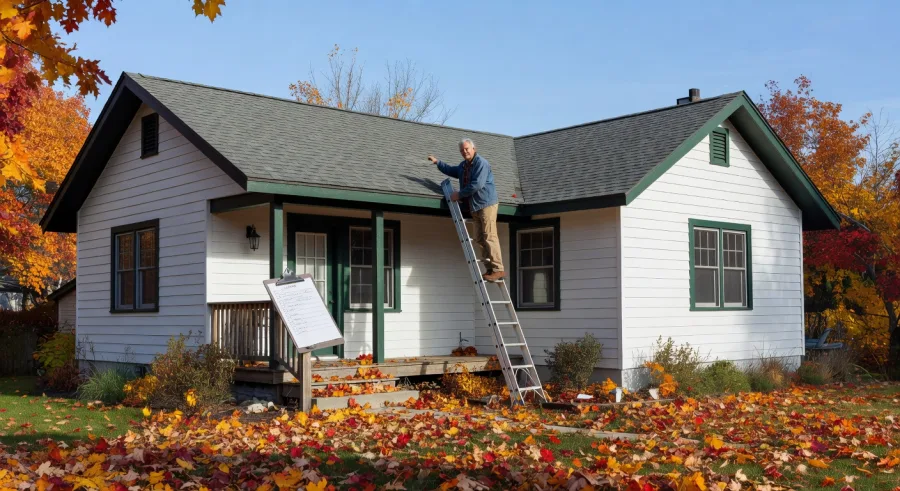
Start by having a licensed contractor inspect your current gutters and downspouts. Many gutter companies offer free inspections and estimates. Compare at least two or three quotes before making a decision, and ask specifically about seamless options and gutter guard systems that match your budget and maintenance preferences.
Your next step: Search online for licensed gutter contractors in your area, or visit a home improvement resource site to compare local reviews and pricing. Look for contractors who are licensed, insured, and experienced with seamless gutter installation. Getting ahead of this small repair now could save you tens of thousands of dollars in foundation damage later.
Advertisement