Advertisement
Most homeowners only think about their gutters when they are visibly sagging or overflowing during a rainstorm. But for older homeowners especially, the signs of gutter failure affecting siding, basement, and surrounding soil often appear long before the gutters themselves look obviously broken. Learning to read these hidden clues can save you thousands of dollars and protect the home you have worked hard to maintain.
Why Gutters Matter More Than You Think
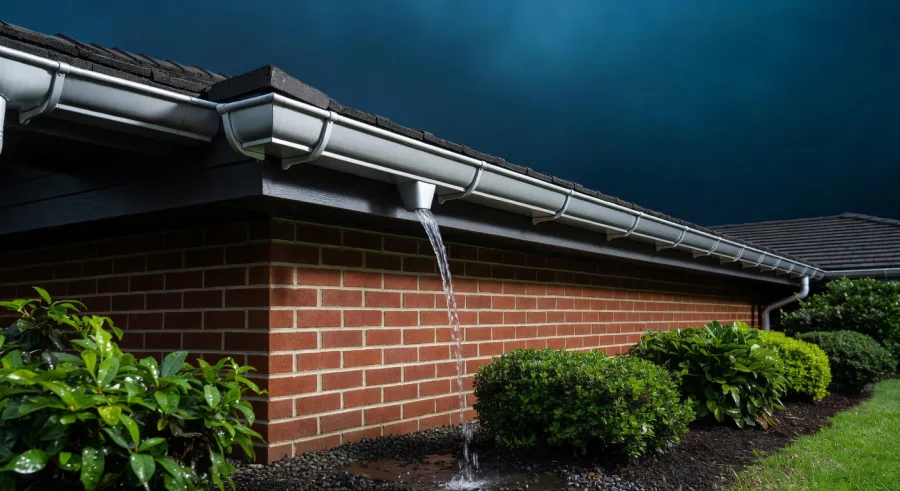
Gutters do one essential job: they channel rainwater and snowmelt away from your home's foundation, walls, and landscaping. When they stop doing that job — because of clogs, cracks, poor slope, or age — water finds its own path. And that path almost always leads somewhere expensive.
Water damage from failing gutters can cost anywhere from $5,000 to $10,000 or more in foundation repairs alone, not counting mold remediation, siding replacement, or landscaping restoration. New gutters for an average home typically run between $1,000 and $3,000 — a much smaller investment when weighed against what neglect can cost.
The tricky part is that gutter failure rarely announces itself loudly. Instead, it leaves quiet evidence scattered around your home. Here is what to look for.
Hidden Signs of Gutter Failure: What Your Siding Is Telling You
Your exterior siding is one of the first places that betrays a gutter problem — and one of the most commonly overlooked. Walk around your home and look carefully at the vertical surfaces below your roofline.
Streaks and Staining on Siding
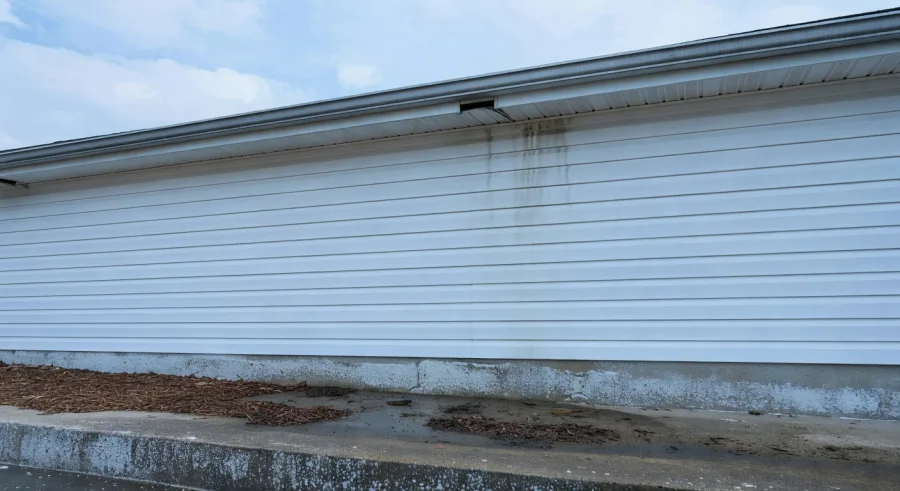
Dark vertical streaks running down siding, especially below downspouts or gutter seams, are a classic sign that water is overflowing or leaking where it should not be. This dirty water carries tannins, algae, and debris that stain wood, vinyl, and fiber cement siding over time.
Peeling or Bubbling Exterior Paint
If your exterior paint is peeling, bubbling, or flaking in sections near the roofline, moisture is likely getting behind the surface. Gutters that overflow or pull away from the fascia board allow water to repeatedly wet the same areas of siding, breaking down paint and eventually the material underneath.
Rotting Fascia Boards
Run your hand along the fascia board — the flat board that runs behind your gutters. If it feels soft, spongy, or crumbles easily, water has been soaking into it for some time. Rotting fascia is a direct result of gutters that sit full of water or that have pulled away from the board, allowing moisture to seep in repeatedly.
What Your Basement and Foundation Are Telling You
Below grade is where signs of gutter failure in your basement become most serious — and most expensive to fix. Because water follows gravity, poor gutter drainage almost always ends up affecting what is underground.
Efflorescence on Basement Walls
Have you noticed a white, chalky, or powdery residue on your concrete or block basement walls? That substance is called efflorescence, and it forms when water moves through masonry and deposits mineral salts on the surface as it evaporates. It is not structurally dangerous by itself, but it is a reliable indicator that water is pressing against your foundation walls — often because gutters are dumping water too close to the house.
Basement Dampness, Musty Odors, and Mold
A basement that smells musty after rain, shows water stains along the base of walls, or has visible mold growth in corners is under repeated moisture stress. Mold remediation can be costly and disruptive, and for older adults, mold presents real health concerns. Before investing in interior waterproofing systems, check whether improving gutter drainage might resolve the source of the problem first.
Cracks in Foundation Walls or Floors
Horizontal cracks in basement walls or spider-web cracking in a concrete floor can indicate soil pressure building up outside. When water saturates the ground against your foundation repeatedly — as happens with poor gutter drainage — it expands the soil and pushes against your home's structure. This is how a $1,500 gutter replacement can prevent a $10,000 foundation repair.
What Your Yard and Landscaping Are Telling You
Step back from the house and look at the ground around your foundation. The soil and plantings closest to your home often reveal drainage problems that are easy to miss.
- Eroding mulch or soil near the foundation: If mulch washes away or bare patches appear after every rain, water is hitting the ground with force — usually from an overflowing gutter or a missing downspout extension.
- Dead or struggling plants near the house: Flower beds right next to the foundation should not be perpetually soggy. Overwatered roots from gutter overflow can drown plants that otherwise seem well cared for.
- Sunken or uneven ground: Low spots forming along the foundation line suggest that soil is eroding or washing away beneath the surface — a sign that water has been pooling in the same place repeatedly.
Seamless Gutters and Gutter Guards: Worth the Investment
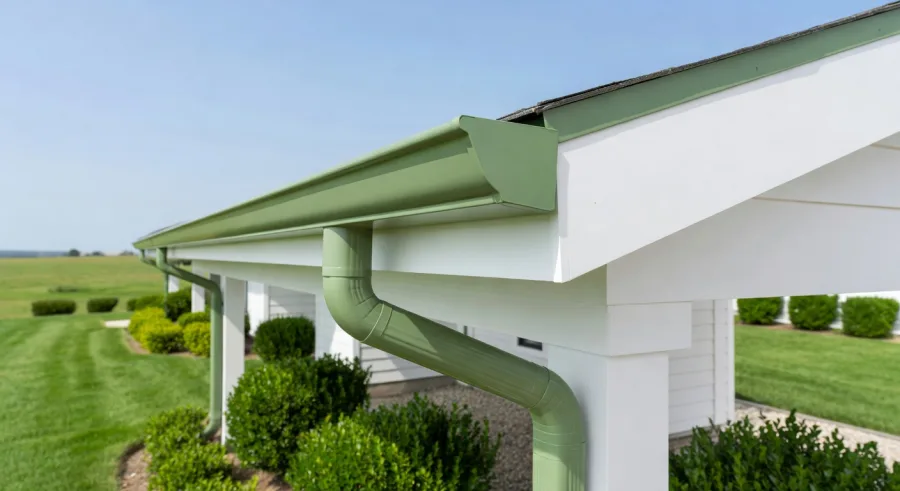
If you are seeing any of the warning signs above, it is worth knowing that not all gutter replacements are equal. Seamless gutters — custom-cut from a single piece of aluminum or steel — are far less likely to develop leaks than traditional sectional gutters, which can separate at the joints over time. They cost more upfront but last significantly longer.
Adding gutter guards can also dramatically reduce how often gutters need cleaning, which is a real benefit for older homeowners who may not be able to safely climb ladders or do not want to hire cleaners several times a year.
What to Do Next
If you have spotted one or more of these warning signs, the encouraging news is that you are catching the problem early — which is exactly when action costs the least.
A professional gutter inspection is often free or low-cost, and many contractors will walk you through exactly what is failing and why. Getting two or three estimates gives you a clear picture of your options and their real costs.
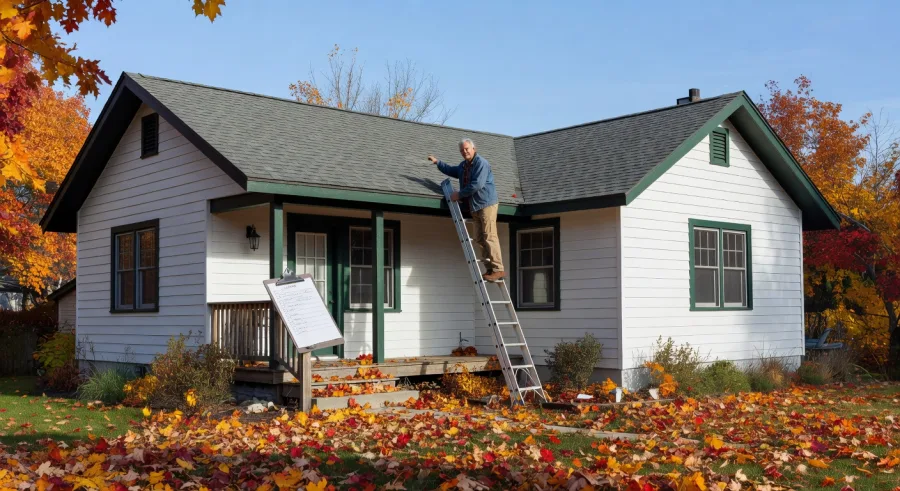
As a next step, walk around your home during or shortly after a moderate rain. Watch where water flows, where it pools, and where it is hitting surfaces it should not. Take photos of any staining, peeling paint, or soggy soil to share with a contractor.
Then contact two or three local gutter companies to schedule free inspections. Ask specifically about seamless gutter options, downspout extensions, and whether gutter guards make sense for your home. Protecting your foundation, siding, and basement starts with a simple conversation — and it is far easier to have that conversation now than after the damage is done.
Advertisement