Advertisement
If you're an older homeowner, you've likely heard that gutters protect your roof and foundation. But what you may not know is that gutter replacement mold health hazards for older homeowners are a far more serious concern than most people realize. Clogged, sagging, or broken gutters don't just cause water damage — they can quietly trigger mold growth, attract disease-carrying mosquitoes, and fill your home with respiratory irritants. For adults 55 and older, whose immune and respiratory systems can be more vulnerable, these risks deserve real attention.
The Hidden Health Risks of Failing Gutters
Most homeowners think about gutters in terms of property damage — and yes, water damage from failing gutters can cost anywhere from $5,000 to $10,000 or more in foundation repairs alone. But the health consequences are equally serious and far less talked about.
Mold Growth and Indoor Air Quality
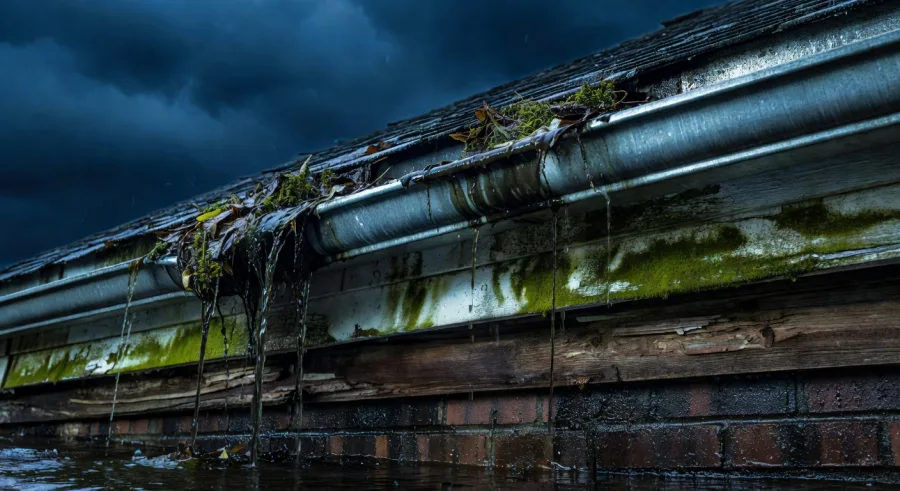
When gutters overflow or pull away from your home, water seeps behind your siding, into your walls, and down into your crawl space or basement. Moisture trapped in these areas creates the perfect environment for mold and mildew to thrive. For older homeowners, this is a significant concern.
Mold exposure can cause or worsen a range of health issues, including:
- Chronic coughing and wheezing
- Nasal congestion and sinus infections
- Eye and throat irritation
- Worsening of asthma or COPD symptoms
- Fatigue and headaches in enclosed spaces
What makes this especially dangerous is that mold often grows in places you can't easily see — inside wall cavities, under flooring, and in crawl spaces. By the time you notice a musty smell or visible discoloration, the problem may already be widespread. Gutter replacement mold health hazards for older homeowners often go undetected until the damage is extensive and expensive to remediate.
Mosquitoes and Standing Water
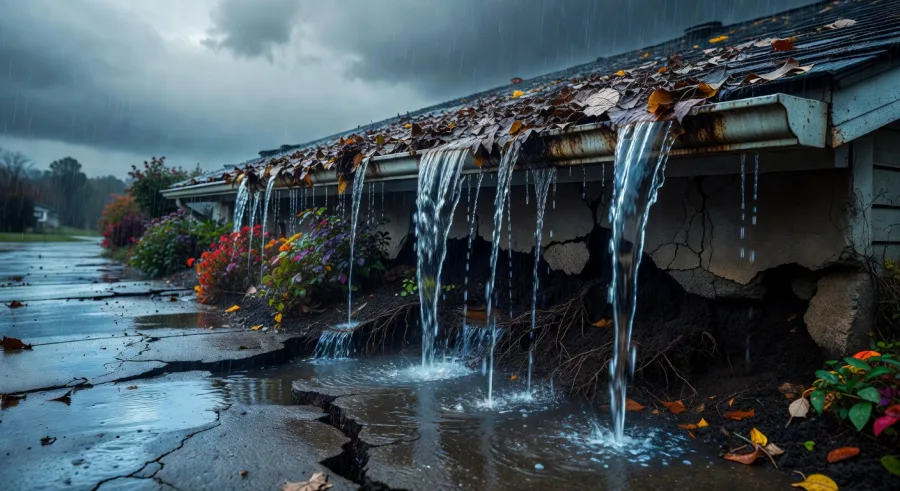
Clogged gutters collect leaves, debris, and rainwater — creating shallow pools of standing water that are ideal mosquito breeding grounds. Mosquitoes can reproduce in as little as an inch of stagnant water, and a single clogged gutter can harbor hundreds of larvae at a time.
For older adults who spend time on patios, porches, or in the yard, this significantly raises the risk of mosquito-borne illnesses including West Nile virus. Even for those who stay indoors, mosquitoes that breed near the roofline can easily find their way inside through vents and gaps.
Damp Crawl Spaces and Respiratory Hazards
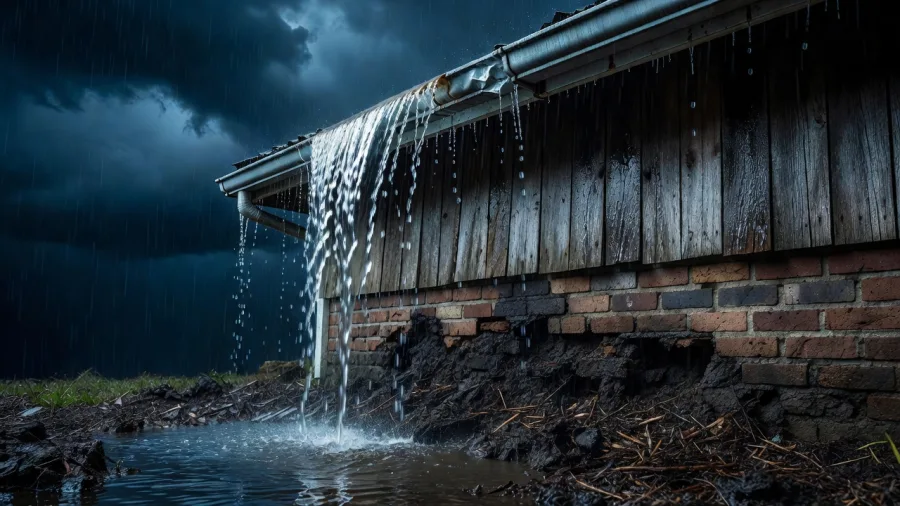
Poor gutter drainage sends water cascading against your foundation and pooling around the base of your home. Over time, this moisture infiltrates crawl spaces, creating chronically damp environments that become incubators for mold, mildew, dust mites, and bacteria. The air in your crawl space doesn't stay there — it rises into your living areas through a process called the stack effect, where air moves upward through your home.
This means the air quality in your bedroom, living room, and kitchen is directly affected by what's happening underneath your house. For older homeowners with respiratory conditions, this invisible air circulation can mean breathing in mold spores and allergens around the clock.
Why Older Homeowners Face Greater Risk
Adults over 55 are more likely to spend significant time at home, making indoor air quality especially important. Many older adults also manage chronic conditions — asthma, COPD, allergies, or weakened immune function — that make them more susceptible to the effects of mold and poor air quality. In addition, older homes are more likely to have aging gutters that haven't been replaced in decades, increasing the chances that deterioration is already underway.
According to the EPA, indoor air can be two to five times more polluted than outdoor air — and moisture intrusion from structural problems like failing gutters is one of the leading contributors.
What Gutter Replacement Actually Solves
Replacing your gutters is one of the most cost-effective ways to protect both your home and your health. Here's what a proper gutter system does for you:
- Channels water away from your foundation, preventing basement flooding, crawl space moisture, and mold conditions
- Stops water from infiltrating walls and siding, eliminating a key pathway for moisture-driven mold growth
- Eliminates standing water pooling near your roofline, reducing mosquito breeding grounds significantly
- Protects your landscaping and soil grade, preventing erosion that can redirect water back toward your home
- Improves indoor air quality by removing the moisture source that feeds mold, mildew, and dust mites
New gutters typically cost between $1,000 and $3,000 for an average home — a fraction of what you'd spend remediating mold damage, treating a flooded basement, or repairing a compromised foundation. When you look at it that way, replacement isn't an expense. It's a long-term investment in your health and your home's value.
Choosing the Right Gutters for Long-Term Protection
Seamless Gutters vs. Sectional Gutters
Traditional sectional gutters are made of connected pieces that can separate and leak at the joints over time. Seamless gutters are custom-cut to fit your home in one continuous piece, which means fewer leaks, less debris buildup, and a longer lifespan. For older homeowners looking for a low-maintenance solution, seamless gutters are generally the better investment.
Consider Adding Gutter Guards
Gutter guards sit over the top of your gutters and allow water to flow through while keeping out leaves, twigs, and debris. This dramatically reduces the frequency of cleanings — important for older adults who may not be able to safely climb ladders — and helps prevent the clogs that lead to standing water and overflow in the first place.
Financial Help May Be Available
If cost is a concern, you may have more options than you realize. Some state and local programs offer home repair assistance to older or low-income homeowners. The U.S. Department of Agriculture's Section 504 Home Repair program, for example, provides grants and loans to qualifying rural homeowners for necessary repairs. Area Agencies on Aging in your region may also connect you with local programs that help fund critical home improvements. Eligibility and benefit amounts vary by location and change year to year, so it's worth checking what's currently available in your area.
Take Action Before the Next Rain Season
The connection between gutter replacement mold health hazards for older homeowners is real, well-documented, and preventable. Failing gutters are not just a cosmetic or structural issue — they are an ongoing health risk that worsens with every rainstorm.
The good news is that this is one of the most straightforward home improvements you can make. A licensed gutter contractor can assess your current system, recommend the right solution for your home, and in most cases complete the installation in a single day.
Your next step: Visit the Eldercare Locator at eldercare.acl.gov or contact your local Area Agency on Aging to ask about home repair assistance programs in your area. You can also request free quotes from licensed gutter contractors in your area to understand your costs before committing. Don't wait for visible damage — by then, the health impact may already be underway.
Advertisement