Advertisement
For millions of American families, the question of when — or whether — a loved one needs to move to assisted living is one of the most emotionally charged conversations they will ever have. If you or someone you love is trying to stay home longer, Meals on Wheels to avoid assisted living and support aging in place may be one of the most practical and overlooked tools available. It costs little or nothing, requires no major lifestyle change, and delivers benefits that go far beyond a hot meal at the door.
What Meals on Wheels Actually Does
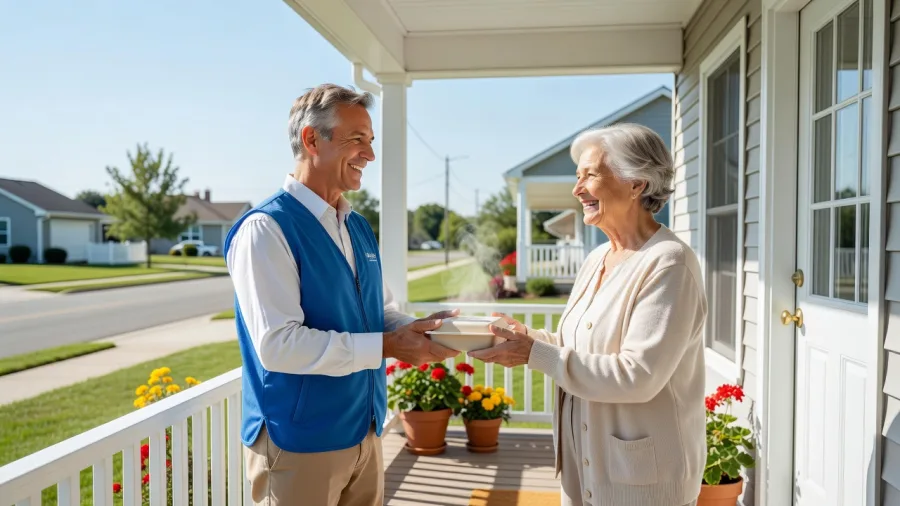
Most people know that Meals on Wheels delivers food to homebound seniors. But the full picture is more powerful than that. Local Meals on Wheels programs — coordinated nationally through Meals on Wheels America and often administered through Area Agencies on Aging — typically provide:
- Hot, nutritious meals delivered directly to the home, often daily
- A daily wellness check from a trained volunteer or staff member
- Social connection through brief but meaningful human contact
- Referrals to other community services when additional needs are identified
Many programs also offer frozen or shelf-stable meals for weekends, modified diets for health conditions like diabetes or heart disease, and even pet food delivery so seniors do not have to worry about their animals. The specifics vary by location, but the core mission is consistent: help people remain safely in their homes.
The Real Reason Seniors End Up in Assisted Living — and How This Program Addresses It
Families often assume that a move to a nursing home or assisted living facility happens because of a sudden medical crisis. In reality, many transitions are driven by a slow accumulation of smaller problems — poor nutrition, increasing isolation, unnoticed falls or health changes, and caregiver burnout. Meals on Wheels quietly addresses several of these at once.
Nutrition and Physical Health
Malnutrition among older adults is far more common than most people realize. When cooking becomes difficult due to limited mobility, cognitive changes, or simply the effort involved in shopping and preparing meals alone, seniors often eat less and less well. Poor nutrition accelerates muscle loss, weakens the immune system, and increases the risk of falls — one of the leading causes of nursing home placement. Regular, balanced meal delivery helps stabilize this downward spiral before it becomes a crisis.
The Wellness Check That Can Save a Life
Perhaps the most underappreciated feature of Meals on Wheels is the daily check-in that comes with delivery. A volunteer who notices that a client did not answer the door, seems confused, or mentions chest pain can alert emergency services or family members before a minor issue becomes catastrophic. For seniors who live alone, this daily human contact is not just comforting — it is a genuine safety net. Many families report that knowing someone will see their parent every day gives them peace of mind that no alarm system or medical alert device fully replicates.
Combating Isolation
Social isolation is now recognized as a serious health risk for older adults, linked to cognitive decline, depression, and even higher mortality rates. The brief visit from a Meals on Wheels volunteer is often the only face-to-face interaction a homebound senior has in a given day. That connection matters — and it is built into every delivery at no extra cost.
How to Make the Case to Skeptical Family Members
Not every family conversation about Meals on Wheels goes smoothly. Some seniors resist because they do not want to feel like they need help. Some adult children worry it is not enough. Here is how to reframe the conversation:
- Frame it as a trial, not a surrender. Suggest trying the program for 90 days and reassessing. Most families find that tensions ease once a routine is established.
- Point to the cost comparison. Assisted living facilities can cost thousands of dollars per month. Meals on Wheels is often free or offered on a sliding scale based on what participants can afford to contribute. The financial case is hard to argue with.
- Emphasize independence, not dependency. Meals on Wheels helps people stay in their own homes, in their own routines, surrounded by their own belongings and neighbors. That is the opposite of giving up independence.
- Involve the senior in the decision. Letting a parent or spouse call their local program, ask questions, and choose to sign up themselves makes all the difference in buy-in and satisfaction.
Meals on Wheels as Part of a Bigger Aging-in-Place Strategy
Using Meals on Wheels for aging in place works best when it is paired with other home-based services that fill in the gaps. Consider building a plan that also includes:
- Home health aide visits for bathing, dressing, and medication reminders
- Transportation assistance through local senior centers or volunteer driver programs
- In-home occupational therapy to assess fall risks and recommend home modifications
- PACE programs (Program of All-Inclusive Care for the Elderly) for those who qualify, which coordinate medical and support services comprehensively
- Caregiver support groups so family members do not burn out trying to do everything themselves
Your local Area Agency on Aging is the best starting point for finding all of these services. They can help you identify what is available in your community and whether costs can be offset through Medicaid, Medicare Advantage, or state-funded programs. Eligibility requirements and costs vary by state and year, so it is worth calling to get current information specific to your situation.
Who Qualifies and How to Sign Up
Meals on Wheels programs generally serve adults 60 and older who have difficulty shopping for or preparing their own meals. There is no income requirement in most areas, though those who can afford to contribute are often encouraged to do so. Waiting lists exist in some communities, so the sooner you inquire, the better.
To get started, you can visit the Meals on Wheels America website and use their zip-code-based locator to find your nearest program. You can also call the Eldercare Locator at 1-800-677-1116 — a free government service that connects older adults and caregivers to local resources anywhere in the country.
The Bottom Line
Using Meals on Wheels to avoid assisted living and support aging in place is not a workaround or a stopgap — it is a smart, evidence-backed strategy that addresses nutrition, safety, and isolation in one daily visit. For families trying to help a loved one stay home safely for as long as possible, enrolling in this program may be one of the most impactful steps you can take this week.
Ready to explore your options? Visit the Meals on Wheels America website or call the Eldercare Locator at 1-800-677-1116 to find programs near you and ask about enrollment today.
Advertisement