Advertisement
The Little-Known Programs That Can Pay for Your Window Replacement
If you are a senior homeowner struggling with drafty, inefficient, or unsafe windows, you may assume that the full cost falls entirely on your shoulders. But there is a set of little-known pathways — including Medicaid home modification benefits for window replacement for seniors — that could dramatically reduce or even eliminate your out-of-pocket costs. These programs exist specifically to help older adults and people with disabilities remain safely in their homes, and millions of eligible Americans never take advantage of them.
This guide breaks down the key programs, who qualifies, and exactly how to start the process of getting help paying for window replacement.
Why Window Replacement Can Qualify as a Medical Necessity
You might wonder: how does replacing windows become a medical issue? The answer lies in how federal and state agencies define home modifications. When a window is broken, impossible to open or close, or creates a safety hazard — such as a fall risk or a blocked emergency exit — it can be classified as a necessary modification to support a person's health, safety, and ability to live independently at home.
In addition, windows that allow extreme cold or heat to enter a home can worsen chronic conditions such as asthma, COPD, arthritis, and cardiovascular disease. This health connection is exactly what makes certain programs willing to fund window-related work for eligible seniors.
Medicaid Home and Community-Based Services (HCBS) Waivers
One of the most powerful — and most overlooked — sources of funding is the Medicaid Home and Community-Based Services waiver program. These waivers are authorized by the federal government but administered individually by each state, which means benefits, eligibility rules, and covered services vary significantly depending on where you live.
Here is how it works:
- What they cover: Many HCBS waivers include a benefit category called Environmental Modifications, or E-Mods, which can pay for structural changes to a home — including window replacement — when those changes are needed to keep a Medicaid-eligible person safe and living independently.
- Who qualifies: Generally, you must be enrolled in Medicaid and meet your state's level-of-care criteria, which often means having a functional limitation or disability that requires assistance with daily activities.
- How much is available: Funding caps vary by state and waiver type. Some states set lifetime caps on environmental modification benefits; others set annual limits. Your state Medicaid office can tell you what applies in your area.
- How to apply: Contact your state Medicaid office or your local Area Agency on Aging (AAA) to ask about available HCBS waivers and whether environmental modifications are a covered service in your state.
Because there is often a waiting list for waiver slots, it pays to apply as early as possible — even if you are not certain you will qualify.
Medicare Advantage Supplemental Benefits for Home Modifications
Original Medicare (Parts A and B) does not cover home modifications like window replacement. However, Medicare Advantage plans — the private insurance alternative to original Medicare — have increasingly begun offering supplemental benefits that original Medicare does not provide.
Since 2019, Medicare Advantage plans have been permitted to offer benefits related to home safety modifications for enrollees with qualifying chronic conditions. These benefits can include funds toward structural home improvements that support health and safety. Some plans offer a dedicated home modification allowance that could be applied toward window replacement when medically justified.
- Benefits and dollar amounts vary widely from plan to plan and from year to year.
- Not all Medicare Advantage plans offer this benefit — you need to check the specific plan you are enrolled in or considering.
- To find out what your current plan covers, call the member services number on your insurance card or review your plan's Summary of Benefits document.
- During Medicare Open Enrollment (October 15 through December 7 each year), you can switch to a plan that offers stronger home modification benefits if your current plan does not.
Tip: Call 1-800-MEDICARE (1-800-633-4227) or visit Medicare.gov to compare Medicare Advantage plans in your area and look specifically for home modification supplemental benefits.
Disability Accommodation Programs and Federal Housing Assistance
Beyond Medicaid and Medicare, several other federal and state programs can help seniors with disabilities cover window replacement costs.
Section 504 Home Repair Program (USDA Rural Development)
If you live in a rural area and have a low income, the USDA Section 504 Home Repair Program provides grants and loans to help very low-income homeowners make repairs that remove health and safety hazards. Window replacement can qualify. Grants are available for homeowners age 62 and older who cannot repay a loan.
HUD Community Development Block Grants (CDBG)
Many cities and counties use federal Community Development Block Grant funding to run local home repair assistance programs for low- and moderate-income residents, including seniors. These programs sometimes cover window replacement. Contact your local city or county housing department to ask what is available in your community.
State and Local Weatherization Assistance Programs
The federal Weatherization Assistance Program (WAP), administered by the U.S. Department of Energy, helps low-income households reduce energy costs through home improvements — including window sealing and in some cases window replacement. Eligibility is income-based and priority is often given to households with elderly residents or people with disabilities.
How to Maximize Your Savings Even Without a Government Program
Even if you do not qualify for a government program, you can still dramatically reduce your window replacement costs using strategies that are especially important for seniors on fixed incomes.
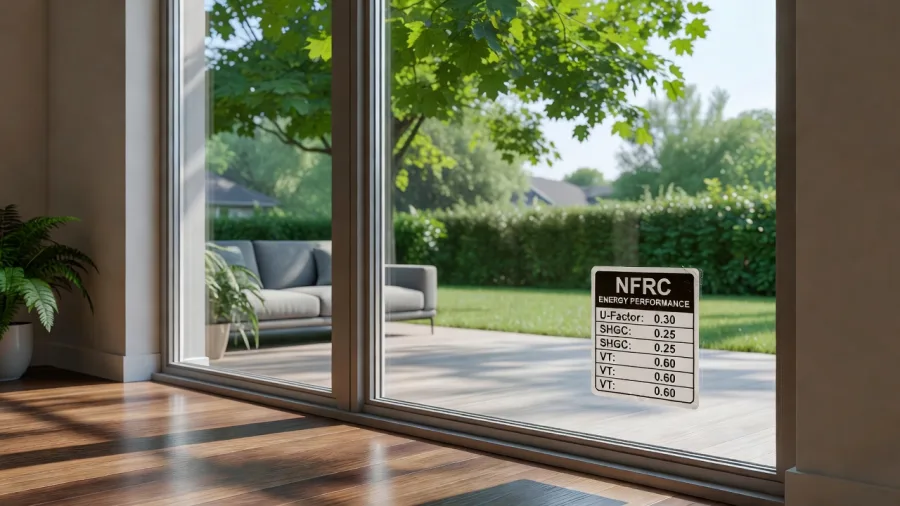
- Federal tax credits: Under the Inflation Reduction Act, qualifying energy-efficient windows may be eligible for a federal tax credit of up to $600. Consult a tax advisor to confirm eligibility based on your situation.
- Utility rebates: Many electric and gas utility companies offer rebates for installing energy-efficient windows. Check your utility company's website or call their customer service line to ask about available programs.
- Get multiple quotes: Obtaining at least three quotes from licensed contractors can reduce your total project cost by 20 percent to 40 percent. Never accept the first offer without comparison shopping.
- Nonprofit home repair organizations: Organizations like Habitat for Humanity ReStores and local community action agencies sometimes offer free or reduced-cost home repair services for qualifying seniors.
Your Next Step: Connect With Local Resources Today
The best starting point for most seniors is a single phone call to the Eldercare Locator at 1-800-677-1116, a free service funded by the federal government. They can connect you with your local Area Agency on Aging, which can help you identify every program you may qualify for — from Medicaid home modification benefits for window replacement for seniors to local repair grants and energy assistance programs.
You can also visit Benefits.gov to search for programs by state, or contact your state Medicaid office directly to ask about HCBS waiver availability and environmental modification benefits in your area.
Do not assume you cannot get help. These programs exist because policymakers recognize that safe, comfortable housing is essential to healthy aging. A single phone call could open the door to benefits you never knew were available.
Advertisement