Advertisement
Window Replacement Weatherization Add-Ons Seniors Should Know About
If you are 55 or older and planning to replace your home's windows, you are sitting on more bargaining power than you might realize. The moment a contractor is already scheduled to come to your home, open up your walls, and handle your windows — that is the perfect time to ask for weatherization add-ons that can stretch your energy savings even further. Air sealing, weatherstripping, and insulation top-offs are small jobs that become much easier and cheaper to bundle into an existing project. And if you know how to ask, you may be able to get them at little or no extra cost.
This guide walks you through exactly how to use the momentum of a window replacement project to negotiate smarter — and how those extras can meaningfully reduce your heating and cooling bills for years to come.
Why Window Replacement Is the Perfect Time to Ask for More
Window replacement is not a small job. Contractors remove old frames, expose gaps in your wall structure, and work closely around the areas most likely to leak air into or out of your home. That means they are already in position to do the weatherization work that most homeowners never think to request.
Here is why bundling makes so much financial sense:
- The contractor is already there. A second visit would cost you another service call fee and scheduling delay. Doing it all at once saves everyone time.
- The walls are already exposed. Air sealing and insulation top-offs around window frames are easiest to do during installation, not after.
- Small jobs become negotiating chips. Adding a tube of caulk or a roll of weatherstripping costs the contractor very little. These become easy concessions in a negotiation.
- Your energy savings compound. New windows stop heat transfer through the glass. But gaps around the frame still let air sneak in. Sealing those gaps means the windows perform at their full potential.
What Weatherization Add-Ons to Request
When you are talking with a contractor about your window replacement project, consider asking about these specific upgrades and whether they can be included or discounted:
Air Sealing Around Window Frames
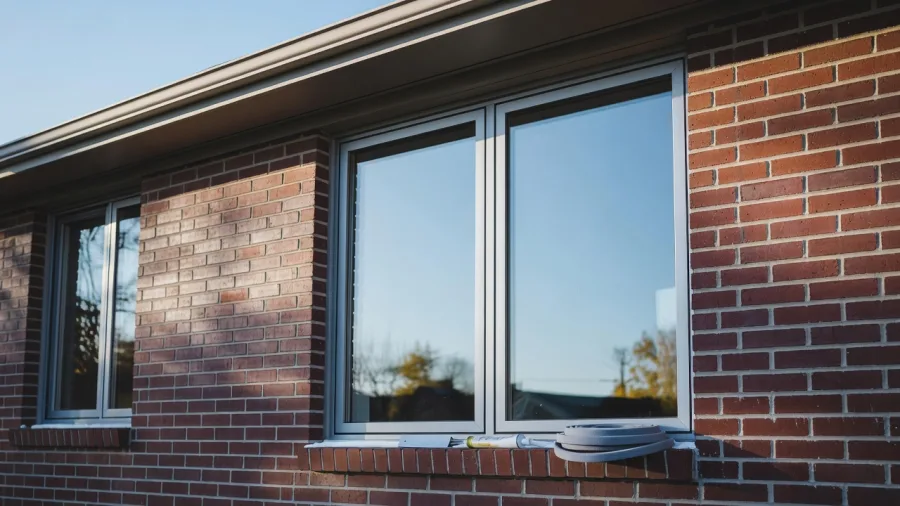
Even brand-new windows can leak air if the space between the window frame and the wall framing is not properly sealed. Ask your contractor to apply low-expansion spray foam or caulk in that cavity during installation. This is a quick step that costs very little in materials and takes only a few minutes per window.
Weatherstripping on Doors and Nearby Openings
If the contractor is already working near an exterior door, ask whether they can replace worn weatherstripping at the same time. Weatherstripping degrades over time and is one of the most common sources of drafts in older homes. Many contractors carry this material on their trucks and can add it for a modest or even waived charge if you simply ask.
Caulking Around Trim, Baseboards, and Sills
After window frames are set, the trim is reinstalled and caulked on the interior and exterior. Ask for a complete caulk job around all window trim — not just the bare minimum. Also ask whether they can apply exterior caulk to any other visible gaps around the foundation or siding while they have the caulk gun out. This costs almost nothing extra when a contractor is already on-site.
Attic Insulation Top-Off Check
If your contractor works with a weatherization partner or offers insulation services, ask whether they can do a quick check of your attic insulation levels. In many older homes, attic insulation has settled or thinned over decades. While this is a separate job, some full-service contractors or their referral partners will bundle a quote or even a basic top-off into a larger project deal.
How to Negotiate Window Replacement Weatherization Add-Ons Like a Pro
You do not need to be a seasoned negotiator to get a better deal. Contractors want your business and your referrals. That gives you real leverage, especially if you are getting multiple quotes — which you should always do.
Here are simple, practical steps for seniors to get the most out of this conversation:
- Get at least three quotes. Research consistently shows that getting multiple quotes can reduce your project cost by 20 to 40 percent. Use each quote as a comparison point when talking to other contractors.
- Ask directly and confidently. Try something like: I am getting a few quotes on this project. If I go with you, can you include weatherstripping on the two entry doors and full caulking around all the new window trim at no extra charge?
- Mention energy efficiency goals. Contractors who specialize in energy-efficient windows often care about the full picture. Framing your request around maximizing energy savings can resonate with them.
- Use competitor quotes as gentle leverage. You do not need to bluff. Simply saying that another contractor offered to include caulking and air sealing gives the current contractor a reason to match or beat it.
- Ask about manufacturer add-ons. Some window brands include installation kits or weatherization accessories. Ask if any products come with extras you are entitled to.
Pro tip for seniors: If you are working with a contractor through a utility rebate program or a state weatherization assistance program, ask whether those programs also cover air sealing or insulation. Many do — and combining them with your window project can unlock even more savings.
Stack Your Savings: Tax Credits, Rebates, and Weatherization Programs
Window replacement weatherization add-ons are not just a negotiating win — they can also unlock additional financial benefits. Here is a quick look at what may be available to you:
- Federal tax credits: Under the Inflation Reduction Act, qualifying energy-efficient windows may be eligible for a federal tax credit. Check with a tax professional or visit the IRS website to confirm current limits and eligibility requirements, as these can change year to year.
- Utility company rebates: Many electric and gas utilities offer rebates for energy-efficient window installations. Visit your utility company's website or call their energy efficiency line to ask what is available in your area.
- State weatherization programs: The federal Weatherization Assistance Program (WAP) helps income-eligible households — including many seniors — get free or low-cost weatherization services, which often include air sealing and insulation. Visit weather ize.org or contact your local community action agency to check eligibility.
- Energy savings over time: New energy-efficient windows can save between $100 and $500 per year on energy bills, depending on your climate and the type of windows you choose. Add in proper air sealing and weatherstripping, and those savings can grow even more.
Your Next Step
You have already taken the first step by planning your window replacement project. Now take it further. Before you sign any contract, ask every contractor on your list what weatherization add-ons they can include. Use the quotes you collect as leverage. And before the project starts, contact your utility company and visit the Database of State Incentives for Renewables and Efficiency — available at dsireusa.org — to find rebates and programs in your state.
Small conversations with the right questions can turn a window replacement into a full home weatherization upgrade — at a fraction of the cost of doing it separately. For seniors on fixed incomes, that kind of bundled savings is exactly what smart home improvement planning looks like.
Advertisement