Advertisement
What Is the Weatherization Assistance Program and Why Should Seniors Know About It?
If you are 55 or older and your home is losing heat through drafty, aging windows, you may be able to get help replacing them at no cost to you through the federal Weatherization Assistance Program (WAP). Understanding weatherization assistance program window replacement eligibility for seniors could save you thousands of dollars before you ever call a contractor or open your wallet.
WAP is a federally funded program administered through the U.S. Department of Energy. Each state runs its own version, which means the services, income limits, and application steps vary depending on where you live. But the core mission is the same everywhere: help lower-income households reduce energy costs by making their homes more efficient. Windows are one of the most common upgrades the program covers because they are a major source of heat loss and energy waste.
Who Qualifies? Understanding Weatherization Assistance Program Window Replacement Eligibility for Seniors
Eligibility is primarily based on household income. As a general rule, most state programs set their income limit at or below 200% of the federal poverty level, though some states set theirs higher. The exact dollar threshold changes each year and varies by household size, so you will want to check your state's current guidelines.
Here is the encouraging news for seniors: many WAP programs give priority status to households with residents who are elderly, disabled, or have young children. That means if you are 60 or older, you may move to the front of the line even in areas where waitlists exist.
You may also qualify automatically if you already receive benefits from any of these programs:
- Supplemental Security Income (SSI)
- Medicaid or Medicare Savings Programs
- Supplemental Nutrition Assistance Program (SNAP)
- Veterans Pension or Survivors Benefit
If you receive any of these benefits, your state agency may be able to verify your eligibility without requiring additional income documentation. Always ask about this when you call.
Step 1: Find Your State's WAP Office
The program is not run directly by the federal government at the local level. Each state contracts with local community action agencies and nonprofits to deliver services. Your first step is to find the right contact in your state.
You can start by visiting the official U.S. Department of Energy Weatherization Assistance Program website or by calling 211, the national helpline for social services. Tell the operator you are looking for weatherization or energy assistance programs in your area. They can connect you directly to your local agency.
You can also contact your state's energy office directly. A quick search for your state name plus the phrase weatherization assistance program will typically bring up the right agency.
Step 2: Apply and Schedule Your Free Energy Audit
Once you contact your local WAP provider, you will fill out a short application. Be ready to provide:
- Proof of income for all household members (tax returns, benefit award letters, or pay stubs)
- Proof of age if you are applying for senior priority status
- A copy of a recent utility bill
- Proof that you own or rent your home (renters may qualify too, but landlord permission is typically required)
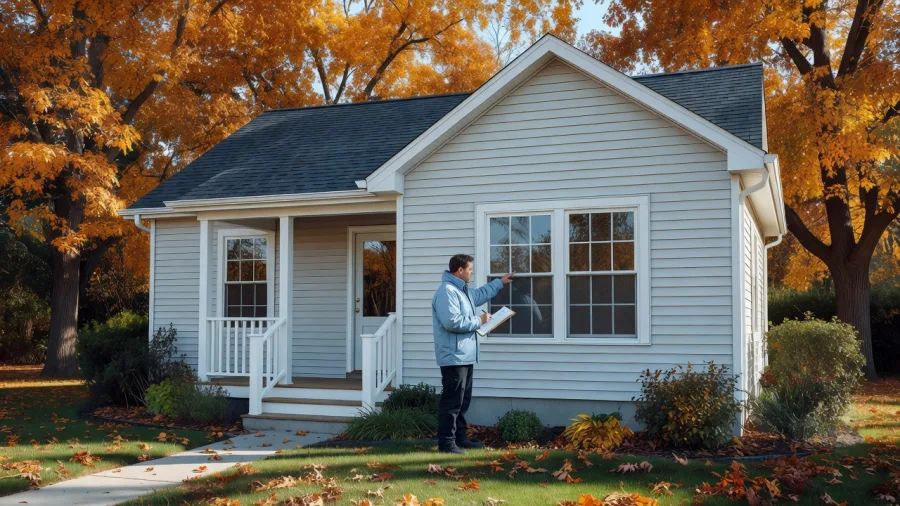
After your application is approved, a trained energy auditor will visit your home at no charge. This free energy audit is one of the most valuable parts of the process. The auditor uses specialized equipment to measure where your home is losing energy. They will check insulation levels, inspect your heating and cooling systems, test your water heater, and assess your windows and doors for air leaks.
Step 3: Review the Audit Findings Strategically
Here is where smart planning pays off. The auditor will produce a written report that ranks your home's energy problems by priority and estimated savings. Ask for a copy of this report. Even if the program cannot fund every improvement on the list, this document becomes your personal roadmap for what to tackle next with your own money or other assistance.
If your windows are identified as a significant source of energy loss but the program cannot cover all of them due to funding limits, the audit report gives you leverage when shopping for contractors. You now have professional documentation that supports the need for window replacement, which helps you make smarter purchasing decisions and avoid being upsold on work that is less urgent.
How to Layer Additional Savings on Top of WAP
Whether WAP covers some or all of your window replacement, you have other tools available to reduce out-of-pocket costs further.
Federal Tax Credits
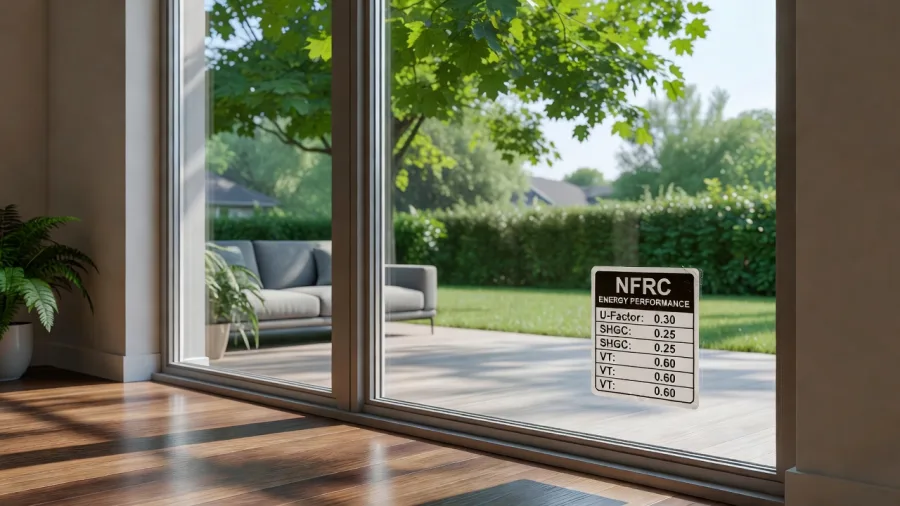
Under provisions of the Inflation Reduction Act, homeowners who purchase qualifying energy-efficient windows may be eligible for a federal tax credit of up to $600. Check with a tax professional or visit the IRS website to confirm current credit amounts and which window products qualify. Look for windows that meet ENERGY STAR certification requirements.
Utility Company Rebates
Many local utility companies offer rebates when homeowners install energy-efficient windows. These rebates vary widely by provider, so call your electric or gas company and ask specifically about window replacement rebates before you finalize any purchase.
Multiple Contractor Quotes
If you are paying for any portion of window replacement yourself, getting at least three quotes from licensed contractors can reduce your cost by 20% to 40%. Share the findings from your WAP energy audit with each contractor. It demonstrates that you are an informed buyer and can help you negotiate more effectively.
New energy-efficient windows can save homeowners between $100 and $500 per year on energy bills, depending on the climate, home size, and type of windows replaced.
What If There Is a Waitlist?
Some states have high demand for weatherization services and maintain waitlists. Do not let this discourage you. Apply now and get on the list. While you wait, ask your local agency about Low Income Home Energy Assistance Program (LIHEAP) funds, which may help cover heating and cooling costs in the meantime. Some agencies also have emergency weatherization funds for situations where energy loss poses a health or safety risk, which can move your application forward faster.
Your Next Step Starts With One Phone Call
The weatherization assistance program window replacement eligibility for seniors is broader than many people realize, and the process is more straightforward than it sounds. You do not need to be an expert in energy policy or government programs to benefit. You just need to make the first call.
Call 211 today or visit the U.S. Department of Energy's Weatherization Assistance Program page online to find your local provider. Ask about income eligibility, senior priority status, and how soon you can schedule your free home energy audit. That one conversation could be the beginning of a warmer, more comfortable home at a fraction of what you expected to pay.
Advertisement