Advertisement
More Than a Meal — and More Than a Recipient
Most people have heard of Meals on Wheels. They know it delivers hot food to homebound seniors who can no longer easily shop or cook for themselves. But here is something that might surprise you: the program would not exist without a massive network of everyday volunteers — many of them seniors themselves — who show up week after week to drive routes, pack meals, and knock on doors.
If you are 55 or older and looking for a meaningful way to spend a few hours each week, Meals on Wheels volunteer opportunities for seniors might be exactly what you have been looking for. This article walks you through what volunteers actually do, why so many people find it deeply rewarding, and how to find a program near you.
What Do Meals on Wheels Volunteers Actually Do?
Volunteering with Meals on Wheels is flexible, practical, and genuinely impactful. Depending on your local program, there are several ways to get involved.
Meal Delivery Drivers
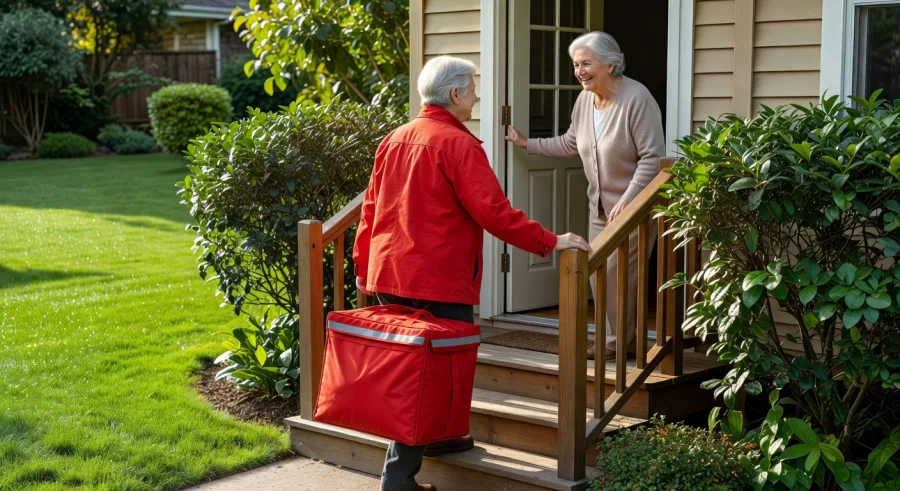
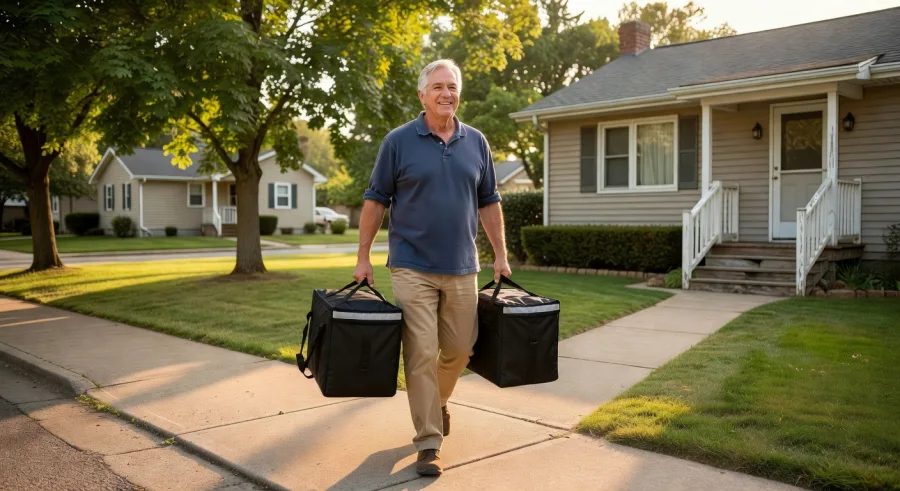
This is the most common volunteer role. Drivers pick up pre-packaged hot meals from a central kitchen or distribution site and deliver them along an assigned route — typically just a few hours, one or more days per week. Most routes are designed so that volunteers can complete them in two to four hours, making it easy to fit into almost any schedule.
You do not need any special training or certification to drive a route. You need a reliable vehicle, a valid license, and a willingness to show up. Many programs ask for a regular weekly commitment so recipients can count on seeing a familiar face.
The Wellness Check — A Vital Part of the Visit
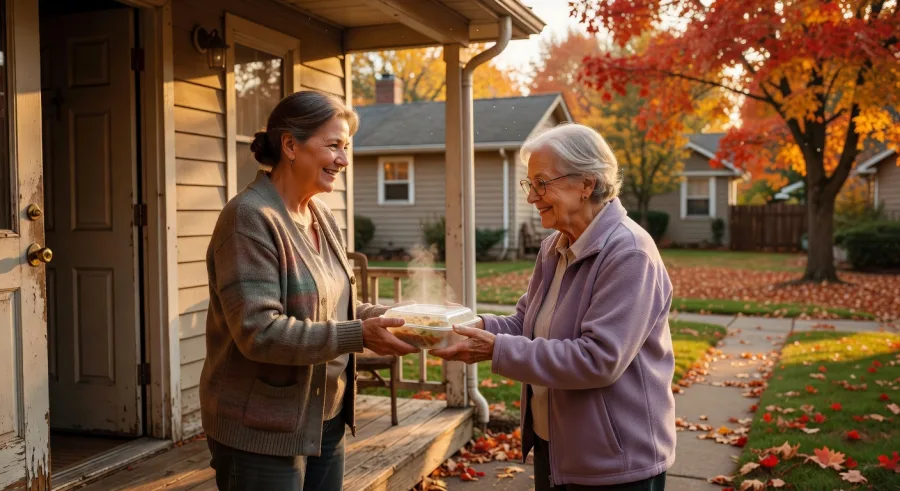
When a volunteer knocks on a recipient's door, they are not just dropping off lunch. They are often the only person that senior will see in person that day. Many Meals on Wheels programs formally include a daily wellness check as part of the delivery — volunteers are trained to notice if something seems off and to report concerns to program coordinators.
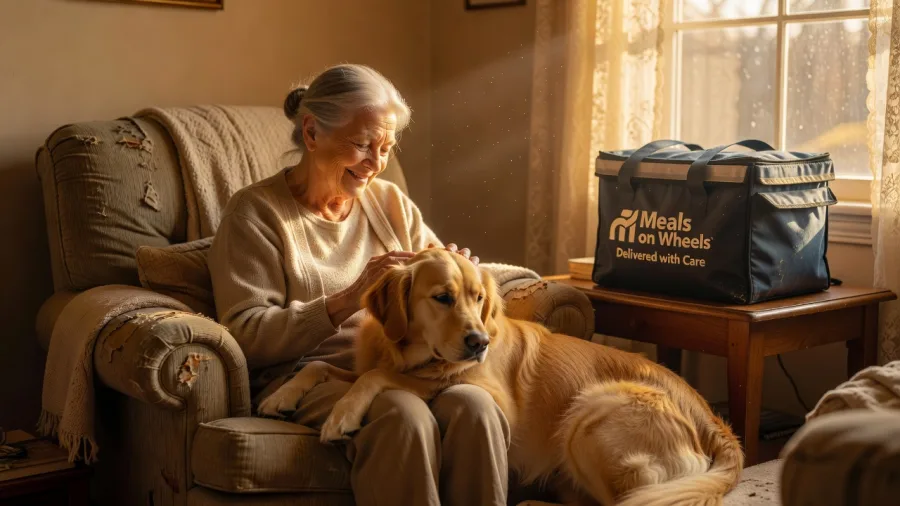
This human connection is not a side benefit. It is a core part of what makes the program work. Volunteers have been credited with catching medical emergencies, identifying signs of cognitive decline, and simply breaking the cycle of isolation that so many homebound seniors experience.
Other Volunteer Roles
Not everyone wants to drive, and that is perfectly fine. Many local programs also need help with:
- Meal packing and preparation — helping assemble and package meals at the kitchen or distribution center
- Phone outreach — calling recipients to check in or confirm delivery schedules
- Administrative support — helping with scheduling, data entry, and volunteer coordination
- Fundraising and community outreach — helping spread the word and raise support for the program
Why So Many Seniors Choose to Volunteer
It might seem a little circular — seniors volunteering to help other seniors. But there is a reason this pattern shows up in Meals on Wheels programs all across the country. Active adults who have retired or reduced their work hours often describe a surprising gap where purpose and routine used to be. Volunteering fills that gap in a way that feels real and immediate.
Here is what volunteers often say about the experience:
You think you are doing something for them. But after a few weeks, you realize they are doing just as much for you. You look forward to those visits. You think about them when you are not there.
Research consistently shows that volunteering is associated with better mental health, reduced feelings of loneliness, and even improved physical health in older adults. When you combine regular activity, social connection, and a sense of purpose, the benefits add up quickly.
For seniors who are themselves aging and watching their world get smaller, Meals on Wheels volunteer opportunities offer a way to stay engaged with the community — and to make a difference that is tangible and visible every single week.
What to Expect When You Sign Up
The sign-up process is straightforward. Most local programs will ask you to complete a brief application, provide a background check authorization, and attend a short orientation. Orientation usually covers route basics, food safety guidelines, and what to do if you have concerns about a recipient's wellbeing.
From there, you will be matched with a route that fits your schedule and location. Many programs allow you to volunteer as little as once a week, and some even offer substitute or fill-in roles if you prefer a less fixed commitment.
There is no age cap for volunteers. Whether you are 55 or 85, if you are healthy enough to drive and carry a few meal bags, you are welcome.
How to Find Meals on Wheels Volunteer Opportunities for Seniors in Your Area
Meals on Wheels is not a single national organization with one sign-up form. It is a network of more than 5,000 local programs operating across all 50 states. That means the best way to get started is to connect directly with your local chapter.
Here are the most reliable ways to find Meals on Wheels volunteer opportunities for seniors near you:
- Visit the national Meals on Wheels America website — they have a program locator tool that connects you to your local affiliate based on your zip code
- Contact your local Area Agency on Aging — these federally supported agencies coordinate elder services in every region of the country and can point you to volunteer programs in your community
- Call 211 — this free helpline connects callers to local health and human services resources, including volunteer programs
- Check with your local senior center or faith community — many already have established partnerships with Meals on Wheels and can help you get plugged in quickly
A Simple Act That Changes Lives — Including Yours
There is a homebound senior in your community right now who has not left their home in days. They are waiting for a knock on the door — not just for the meal, but for the voice, the brief conversation, the proof that someone out there knows their name.
That knock is you. And it costs you a few hours a week.
If you are ready to explore Meals on Wheels volunteer opportunities for seniors, start today. Visit the Meals on Wheels America website, search by your zip code, and reach out to your local program. Most can have you on a route within a few weeks. The meals matter. But so do you.
Advertisement