Advertisement
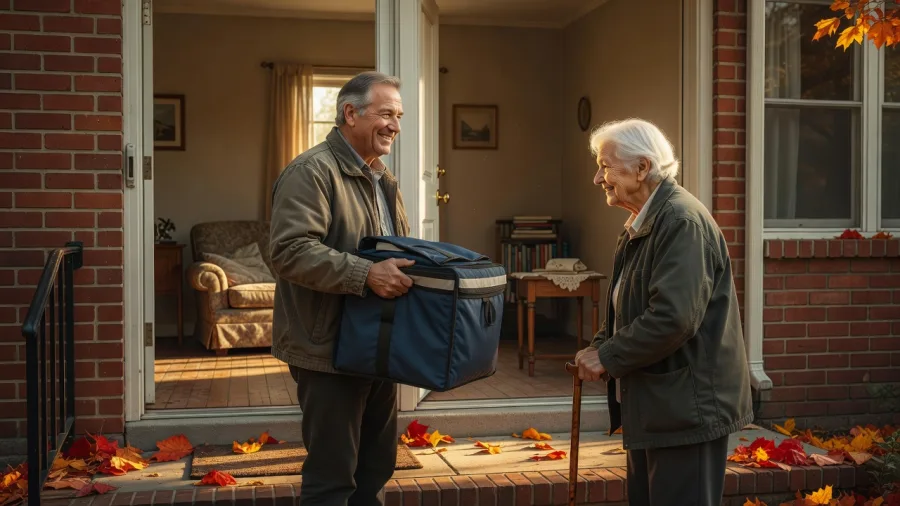
When most people think about Meals on Wheels home safety monitoring for seniors, they picture a hot meal arriving at the front door. And that meal matters enormously. But there is something else happening during that daily visit that often goes unnoticed: a trained pair of eyes is scanning your loved one's environment, checking in on their wellbeing, and sometimes catching problems that no one else would have seen in time.
More Than a Meal: The Quiet Safety Net at Your Door
Meals on Wheels volunteers and drivers visit millions of American seniors every year. For many homebound older adults, that knock on the door is the only in-person contact they will have all day. That reality has turned delivery staff into one of the most underappreciated early-warning systems in senior care.
During a typical delivery, a driver or volunteer may notice things like:
- A senior who seems confused, disoriented, or unsteady on their feet
- An unanswered door when the recipient is usually home and responsive
- The smell of gas, mold, or smoke inside or near the entryway
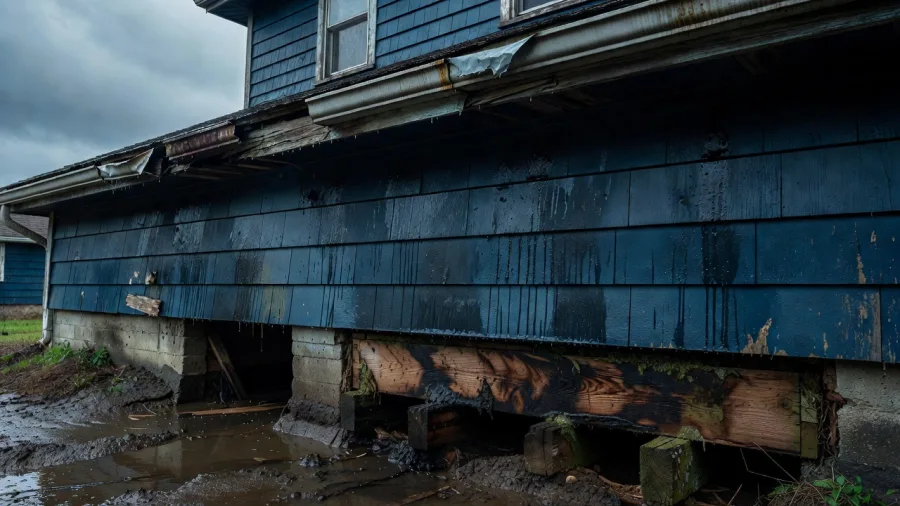
- A flooded basement or water damage visible through a doorway
- Extreme indoor temperatures suggesting a heating or cooling failure
- Cluttered walkways or loose rugs that create serious fall hazards
- Signs that mail or newspapers have been piling up for days
These are not abstract concerns. Each one represents a real situation that Meals on Wheels drivers across the country have encountered and reported — sometimes preventing a tragedy in the process.
How the Wellness Check Component Works
Many local Meals on Wheels programs formally include a daily wellness check as part of the delivery service. This means that beyond handing over a meal, the volunteer or staff member is trained to briefly assess whether the recipient appears to be okay. They may ask a simple question, make eye contact, and note any changes in appearance or behavior compared to previous visits.
If something seems wrong, most programs have a clear protocol for what happens next. That might mean calling a supervisor, contacting a family member listed on file, or in urgent situations, calling emergency services. Some programs are formally partnered with local fire departments, Area Agencies on Aging, or adult protective services to ensure that concerns are routed quickly to the right people.
Even a brief daily interaction can be enough to catch a medical emergency early, alert a family to a utility failure, or simply remind a senior that someone is paying attention to their safety and comfort.
Meals on Wheels Home Safety Monitoring for Seniors: What Families Should Know
If your parent or loved one receives Meals on Wheels, you may be able to strengthen this layer of protection with just a few simple steps.
Talk to Your Local Program About Communication Protocols
Not every Meals on Wheels chapter operates the same way. Some have robust systems for notifying family members if a recipient does not answer the door or appears unwell. Others may have more limited capacity. It is worth calling your local program directly to ask:
- What happens if my loved one does not come to the door?
- Is there a family contact on file, and how quickly would you reach out?
- Are drivers trained to notice and report home hazards like fall risks or utility problems?
- Does your program partner with any local emergency or social services agencies?
If your local program does not yet have formal protocols in place, sharing your concerns respectfully can actually help them improve their services for everyone.
Provide Updated Emergency Contacts and Home Information
Make sure the program has current contact information for at least two family members or trusted friends. If your loved one has a key lockbox, a medical alert device, or a known health condition that might affect their behavior or appearance, let the program know. This context helps drivers and volunteers make better judgment calls during their visits.
Ask About Home Safety Assessments Through Your Area Agency on Aging
Many Area Agencies on Aging — the local organizations that often coordinate Meals on Wheels programs — also offer or can connect you to home safety assessments for older adults. These evaluations, sometimes provided free of charge or at low cost, involve a trained professional visiting the home to identify fall hazards, assess lighting and accessibility, and recommend modifications or equipment that can reduce risk.
Pairing a formal home safety assessment with ongoing Meals on Wheels visits creates a much stronger layer of protection than either resource alone.
When the Driver Becomes a Lifeline
Stories of Meals on Wheels drivers saving lives are not rare. A volunteer notices a senior has not touched yesterday's meal and alerts a supervisor. A driver smells something strange and calls the gas company before leaving. A delivery person sees an elderly man on the floor through a window and calls 911 immediately.
These moments happen because someone showed up. Because the program exists. And because the people who deliver these meals take their role seriously as more than just food service workers — they are neighbors, witnesses, and sometimes the only safety net standing between a vulnerable person and a serious crisis.
Who Qualifies and How to Sign Up
Meals on Wheels programs generally serve older adults who have difficulty leaving home to shop or cook for themselves. Many programs serve individuals regardless of income, and recipients are often asked to contribute what they can afford — but no one is turned away solely because they cannot pay.
To find your local program and check eligibility, you can:
- Visit the Meals on Wheels America website and use their local program finder
- Call the Eldercare Locator at 1-800-677-1116 to be connected with your local Area Agency on Aging
- Ask your doctor, hospital discharge planner, or social worker for a referral
Waitlists exist in some areas, so it is worth reaching out sooner rather than later if you or a loved one may benefit from the service.
Take the Next Step Today
If you or someone you care about is homebound, lives alone, or could benefit from both nutritious meals and a daily check-in, Meals on Wheels is one of the most accessible and impactful programs available to American seniors. And now you know it offers something even more valuable than food: a consistent, caring presence that can spot danger before it becomes a disaster.
Call the Eldercare Locator at 1-800-677-1116 or visit the Meals on Wheels America website to find your local program, ask about home safety monitoring options, and get started today. It could be the most important call you make this year.
Advertisement