Advertisement
Meals on Wheels Holiday Delivery Gaps for Seniors: What You Need to Know
The holidays are supposed to be a time of warmth, connection, and plenty. But for millions of homebound seniors who rely on Meals on Wheels, this season can quietly bring something unexpected: a gap in food delivery. Meals on Wheels holiday delivery gaps for seniors are more common than most people realize, and if you or a loved one depends on these daily meals, knowing what to expect — and how to prepare — can make all the difference between a stressful holiday and a safe one.
The good news? With a little planning, some community resources, and a few simple backup strategies, you can bridge those gaps and even use the holiday season as an opportunity to reconnect with people who care about you.
Why Meals on Wheels May Pause During the Holidays
Meals on Wheels programs are largely powered by volunteers. During major holidays like Thanksgiving, Christmas, and New Year's Day, volunteer availability drops significantly. Many local programs reduce delivery frequency, skip certain days entirely, or shift to providing shelf-stable or frozen meal packs in advance to cover the holiday period.
This isn't a failure of the program — it's simply the reality of how community-driven services operate. Each local program sets its own schedule, so the impact will vary depending on where you live. Some programs may deliver double portions the day before a holiday. Others may partner with local restaurants or churches to fill the gap. And a few may suspend service for a full week around Christmas.
The most important step you can take is to call your local Meals on Wheels provider as early as possible — ideally several weeks before a major holiday — to find out exactly what their schedule will look like.
How to Prepare for Meals on Wheels Holiday Delivery Gaps
1. Build a Shelf-Stable Backup Pantry
One of the simplest and most effective strategies is to gradually stock up on shelf-stable foods that require little to no preparation. This doesn't require a large investment — adding a few extra items to your grocery list each week can build a solid reserve over time. Good options include:
- Canned soups, stews, and chili (look for low-sodium varieties)
- Canned beans, lentils, and vegetables
- Instant oatmeal and whole-grain crackers
- Peanut butter and nut butters
- Shelf-stable milk or plant-based milk alternatives
- Dried fruit and nuts for snacking
- Ready-to-eat protein options like canned tuna, salmon, or sardines
Ask your Meals on Wheels coordinator if they offer holiday meal packs. Many programs distribute boxes of non-perishable foods specifically to help recipients get through holiday breaks.
2. Ask About Frozen Meal Options
Some Meals on Wheels programs offer frozen meals that can be delivered in advance and stored until needed. If your program offers this option, request frozen meals before the holiday so you have something nutritious ready to heat up. Even a small freezer can hold several days' worth of meals.
3. Reach Out to Local Food Banks and Pantries
During the holiday season, food banks and community pantries often ramp up their services rather than scale back. Many offer holiday meal boxes that include everything needed for a full Thanksgiving or Christmas dinner, delivered directly or available for pickup. Contact your local food bank or search through the Feeding America network to find resources near you.
Seasonal Programs That Target Meals on Wheels Holiday Delivery Gaps for Seniors
The holiday season also brings out the best in communities. A number of organizations run special outreach programs specifically designed to reach isolated seniors during Thanksgiving, Christmas, and other breaks.
- AARP Foundation: Offers holiday meal delivery partnerships and community connection programs in many areas.
- Local churches and faith communities: Many congregations organize holiday meal delivery or invite isolated seniors to community dinners. A quick call to churches in your area can open doors you didn't know existed.
- Senior centers: Even if you don't typically attend, many senior centers host free holiday meals open to the public. Transportation assistance is sometimes available.
- Area Agency on Aging (AAA): Your local AAA is a one-stop resource for finding all available holiday meal and social programs in your region. They maintain up-to-date lists of what's available during the holiday season.
Don't Underestimate the Emotional Side of Holiday Breaks
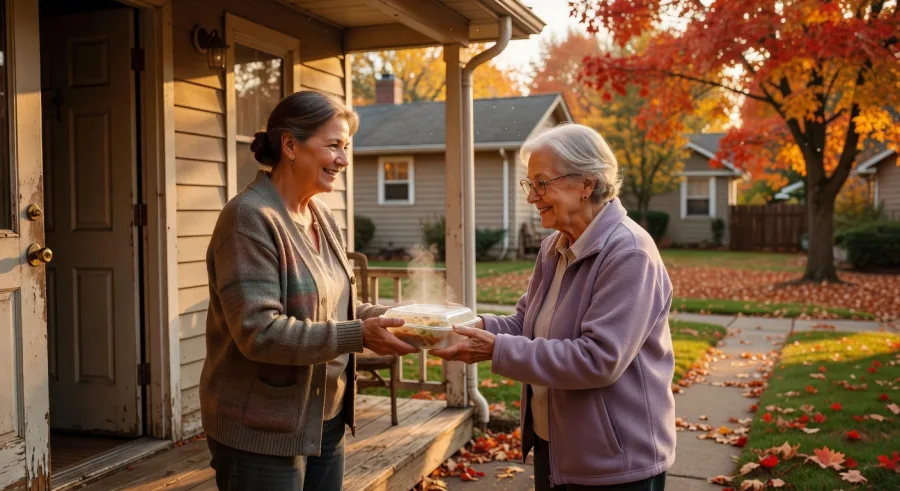
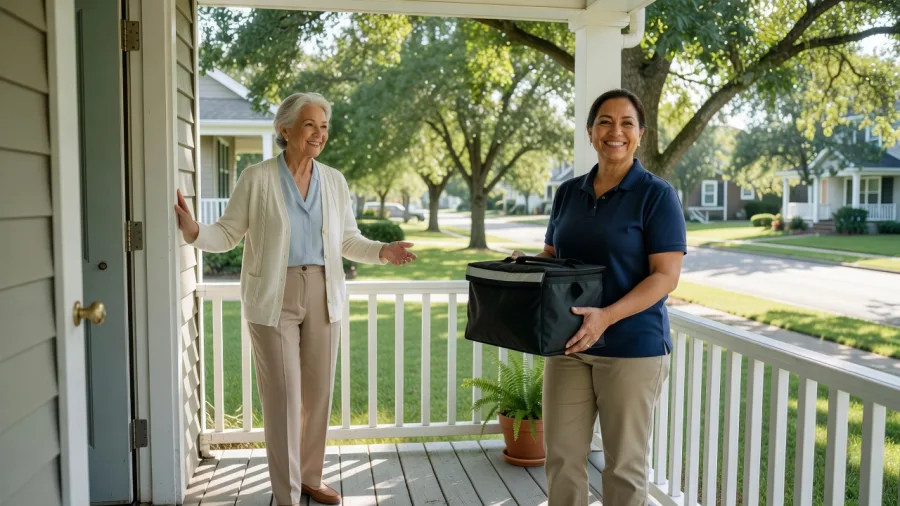
The daily Meals on Wheels delivery is about far more than food. For many homebound seniors, it's the one guaranteed human interaction of the day. When that knock on the door doesn't come, the silence can be overwhelming.
Studies consistently show that social isolation among older adults increases significantly during major holidays — and that it carries real health consequences, including increased risk of depression, cognitive decline, and even mortality.
If you're a caregiver or family member of a Meals on Wheels recipient, consider scheduling extra check-in calls or visits during holiday weeks. Even a brief phone call can provide meaningful connection. If you're a senior navigating the holidays alone, don't hesitate to reach out to your local senior center, a faith community, or the AARP Friendly Voice program, which connects isolated seniors with friendly volunteers for conversation.
Volunteer to Help Others — It Helps You Too
If you're a senior who is relatively mobile and healthy, volunteering for holiday meal delivery is a powerful way to combat your own loneliness while helping neighbors who need it most. Contact your local Meals on Wheels chapter to ask about holiday volunteer opportunities. Many programs desperately need extra hands during the season.
Your Next Step: Don't Wait Until the Holiday Arrives
The worst time to discover your meals won't be delivered is on Thanksgiving morning. Act now — before the holiday rush — to make sure you and your loved ones are covered.
- Call your local Meals on Wheels program to get their exact holiday schedule.
- Contact your Area Agency on Aging by visiting eldercare.acl.gov or calling 1-800-677-1116 to find local meal programs and holiday resources.
- Start building your shelf-stable pantry a little at a time, starting today.
- Reach out to a neighbor, friend, or faith community about holiday connection opportunities.
The holidays don't have to mean going without. With the right plan in place, you can enjoy a nourishing, connected season — even if the delivery schedule takes a temporary break.
Advertisement