Advertisement
Separating Public Housing Myths from Facts
If you have ever dismissed public housing as something that does not apply to you, you are not alone. Decades of stereotypes and misunderstandings have kept many eligible Americans — especially seniors and people with disabilities — from ever looking into this valuable benefit. The truth about public housing myths facts may surprise you. HUD-managed public housing is a legitimate, well-regulated program that serves nearly one million families across the country, and it could be exactly what you or a loved one needs.
Myth #1: Public Housing Is Only for Younger Families With Children
This is one of the most persistent public housing myths, and it is simply not true. The U.S. Department of Housing and Urban Development (HUD) specifically designed public housing to serve low-income families, seniors, and individuals with disabilities. Many local Public Housing Authorities (PHAs) operate dedicated senior housing communities — quiet, well-maintained apartment complexes designed specifically for older adults.
If you are 55 or older and meet the income requirements in your area, you are likely eligible to apply. Many seniors find that public housing gives them financial breathing room that allows them to afford medications, groceries, and other essentials.
Myth #2: The Rent Is Unaffordable
Actually, the opposite is true. One of the biggest benefits of public housing is that rent is capped at approximately 30% of your monthly income. That means if your income is fixed or modest, your rent reflects that reality. You are not paying a flat market rate — you are paying what you can reasonably afford.
This income-based structure is what makes public housing so different from renting on the open market. For seniors living on Social Security or a small pension, this can mean the difference between financial stability and choosing between rent and food.
Myth #3: Public Housing Is Dangerous and Run-Down
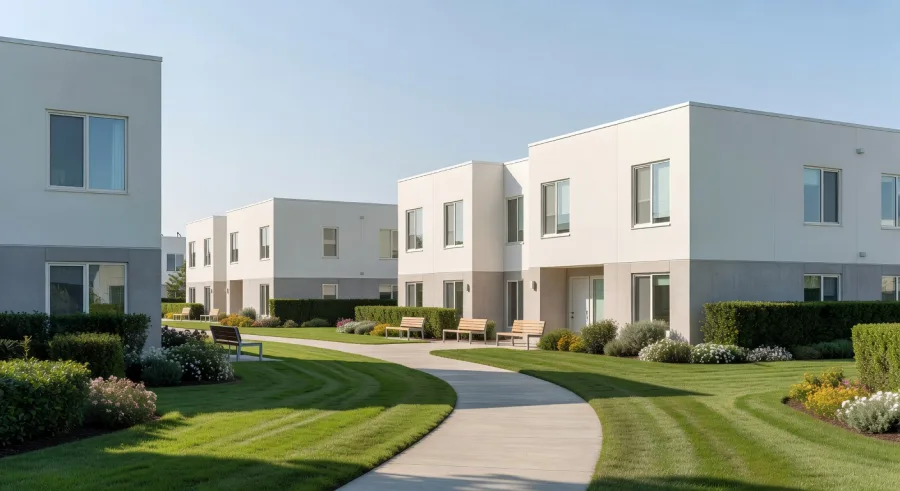
This stereotype comes from outdated media images and does not reflect the full picture. While conditions do vary — and some properties have faced challenges — many public housing communities are clean, safe, and well-maintained. Local Public Housing Authorities are responsible for upkeep and must meet HUD standards to continue receiving federal funding.
Units range from single apartments to townhouses, depending on the property. Many senior-designated communities offer amenities like community rooms, on-site laundry, and accessible design features. Like any housing, quality can vary by location, which is why it helps to visit a property and speak with residents before making a decision.
Myth #4: The Waiting List Is So Long It Is Not Worth Applying
It is true that many areas have waiting lists, and in high-demand cities, those lists can be lengthy. But here is what many people do not realize: waiting lists vary significantly by location. Some smaller towns or suburban PHAs have much shorter wait times. Applying in multiple areas, if that is practical for you, can increase your chances of being housed sooner.
More importantly, the sooner you apply, the sooner your spot is reserved. Every day you delay is time you are not moving forward in the process. Even if the wait feels discouraging, getting on the list is the necessary first step.
Tips for Navigating the Waiting List
- Apply to multiple PHAs if you have flexibility about where you live.
- Keep your contact information updated with every PHA you have applied to — if they cannot reach you, you may lose your spot.
- Ask about preference categories — seniors and people with disabilities often receive priority consideration at many PHAs.
- Check in periodically to confirm your application is still active.
Myth #5: You Lose All Privacy and Freedom
Public housing residents have rights. As a tenant, you are entitled to a written lease, privacy in your unit, and protection from arbitrary eviction. PHAs must follow federal and local laws governing tenant rights. You are a renter with legal protections, not someone simply receiving charity.
You can have guests, personalize your space within lease guidelines, and live your daily life independently. Senior public housing communities often foster a strong sense of community and offer optional social programming — but participation is never required.
Myth #6: It Is Too Complicated to Apply
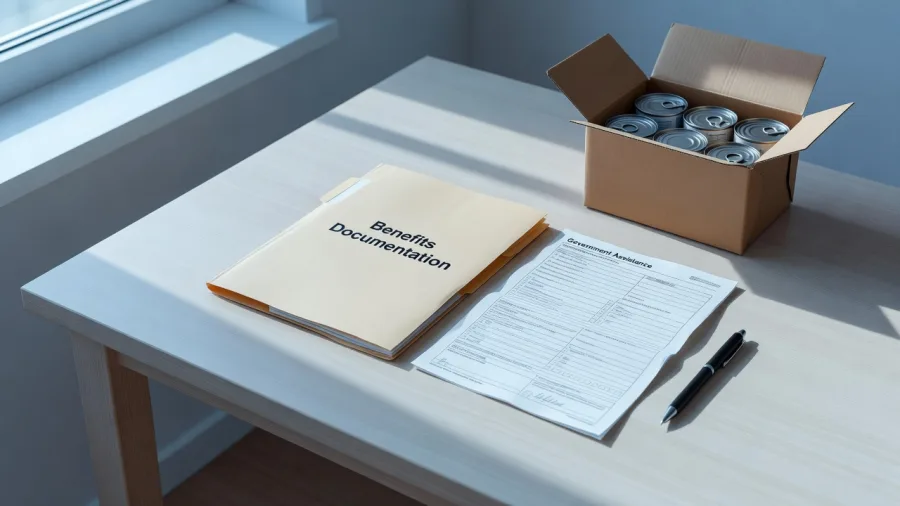
Applying for public housing is more straightforward than many people expect. You contact your local Public Housing Authority, fill out an application, and provide documentation of your income, identity, and household size. There is no cost to apply.
Each PHA manages its own process, and staff are generally available to help walk you through the steps. Many PHAs also accept applications online, making it easier to get started from home.
What You Will Typically Need to Apply
- Proof of identity (such as a government-issued ID)
- Social Security numbers for all household members
- Documentation of income sources (Social Security, pension, disability payments, etc.)
- Rental history information
Requirements can vary by PHA, so it is always a good idea to contact your local office directly to confirm what they need.
The Real Picture: Who Public Housing Serves
HUD public housing currently serves over 970,000 families nationwide. A significant share of those residents are seniors and individuals with disabilities. These are everyday Americans who worked hard, paid taxes, and now need a little help making their housing costs manageable. There is no shame in using a program that exists specifically to help people in your situation.
Public housing is a federal benefit you may have already earned the right to access. Learning the real public housing myths facts is the first step toward making an informed decision for yourself or your family.
Your Next Step: Find Your Local Public Housing Authority
If you or someone you love could benefit from income-based, HUD-managed housing, do not let outdated myths stand in the way. The best next step is to contact your local Public Housing Authority to ask about availability, eligibility requirements, and how to apply.
You can find your local PHA through the official HUD website at hud.gov. Search by your city or zip code to locate the office nearest you. Staff are there to answer questions and help you navigate the process — no judgment, just information.
The sooner you reach out, the sooner you can find out whether public housing is the right fit for your situation. You may be closer to affordable, stable housing than you think.
Advertisement