Advertisement
The Solar Investment That Could Complicate a Life Transition
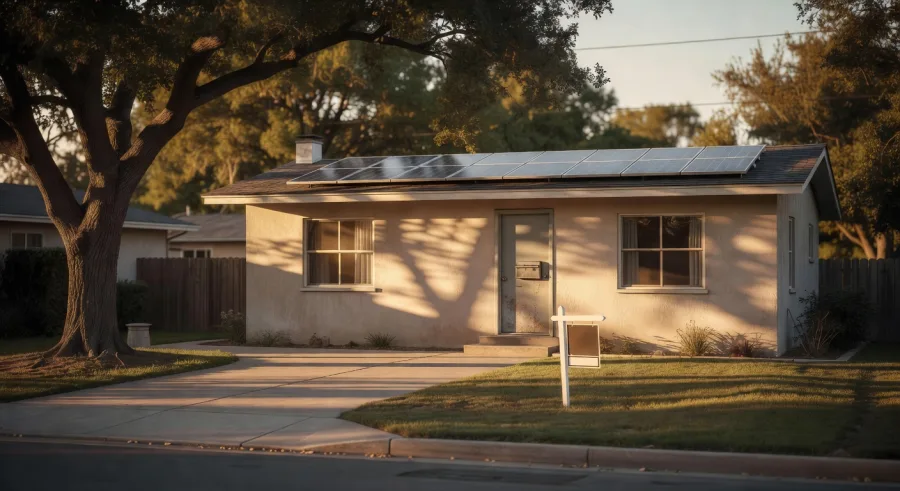
Solar panels are one of the smartest ways older homeowners can cut energy costs and take advantage of the federal 30% Investment Tax Credit. But there is a side of solar that almost no salesperson will bring up at your kitchen table: what happens to your solar panels, moving to assisted living or selling your home becomes a sudden reality? For seniors aging in place, this is not a distant concern — it is a practical risk worth planning for before you sign anything.
Each year, millions of Americans over 55 install solar to reduce or eliminate their monthly electric bills. Many do so with financing — a loan, a lease, or a power purchase agreement. Any one of these arrangements can become a serious headache if your health changes and you need to move quickly. Understanding the difference now can protect your family later.
First, Know What Type of Solar Agreement You Have
Not all solar setups work the same way when it comes to selling or vacating a home. There are three common arrangements, and each carries very different consequences.
Owned Systems (Purchased Outright or With a Solar Loan)
If you paid cash for your solar installation or took out a solar loan, you own the equipment. The average installation costs between $15,000 and $25,000 before incentives, and the federal tax credit can offset 30% of that cost. An owned system is generally the cleanest situation when it comes time to sell. The panels become part of the home, just like a new roof or HVAC system, and they can actually increase your home's resale value. If you still have a solar loan balance, that loan must typically be paid off at closing from the sale proceeds — similar to a second mortgage.
Solar Leases
With a solar lease, a third-party company owns the panels on your roof. You pay a fixed monthly fee to use the electricity they generate. Leases often run 20 to 25 years. Here is the complication: when you sell your home, the new buyer must either assume the lease or you must pay a sometimes-significant buyout fee to terminate it early. If a buyer is not willing to take over the lease — and many are not — closing can be delayed or the deal can fall apart entirely. For a senior who needs to move to a nursing facility quickly, this delay can be financially and emotionally devastating.
Power Purchase Agreements (PPAs)
A power purchase agreement is similar to a lease in that a third party owns the equipment. Instead of a fixed monthly payment, you pay a per-kilowatt-hour rate for the electricity produced — often at a rate lower than your utility charges. The same transfer problem applies: a new buyer must agree to take over the PPA, or you face an early termination fee. These fees can run into the thousands of dollars depending on how many years remain on the contract.
Solar Panels, Moving to Assisted Living, and the Real-World Selling Challenge
Imagine this scenario: a 72-year-old homeowner signs a 25-year solar lease, enjoys lower bills for three years, then suffers a stroke that requires full-time nursing care. The family needs to sell the house within 60 to 90 days to help fund care costs. The solar lease suddenly becomes a negotiating obstacle. Some buyers walk away. Others demand a price reduction to cover the lease assumption risk. The family may end up paying a buyout fee out of pocket just to get the home sold.
This is not a rare situation. It happens to families across the country every year, and it often catches everyone off guard.
If there is any meaningful chance you could need to move within the next five to ten years, an owned system — even with financing — gives you far more flexibility than a lease or PPA.
What to Ask Before You Sign a Solar Contract
Whether you are considering solar for the first time or reviewing an existing agreement, ask these questions:
- What is the early termination fee? Get the exact figure or formula in writing.
- Can the lease or PPA be transferred to a buyer? Find out how smooth or difficult that process is.
- How long is the contract term? A 25-year lease signed at age 68 extends to age 93.
- What happens if the home sits vacant? Some agreements have clauses about unoccupied properties.
- Is a solar loan paid off automatically at closing? Confirm with your lender how this works in your state.
State Incentives Can Help You Afford to Own — Not Lease
One reason many homeowners choose leases is the upfront cost of buying a system outright. But before you assume a lease is your only option, explore what your state offers. Many states provide additional rebates, tax credits, and low-interest loan programs on top of the federal 30% Investment Tax Credit. Some utility companies also offer rebates that bring the net cost of ownership down significantly. Net metering programs — available in many states — allow you to sell excess energy back to the grid, further improving your return on investment when you own the system.
The combination of federal and state incentives can make outright ownership far more affordable than it appears at first glance, and it gives you the cleanest exit strategy if your living situation changes.
If You Already Have a Lease or PPA
Do not panic — but do get informed now, before a health crisis forces your hand. Contact your solar company and request a full copy of your agreement. Read the transfer and termination sections carefully. Ask a real estate attorney in your state to review the contract so you understand your options. Some companies are more flexible about early terminations for hardship situations, including medical necessity, but this is not guaranteed and you should not count on it.
Renting Your Home Instead of Selling
If selling quickly is not the right move, some families consider renting the home while a senior transitions to assisted living. Check your solar agreement carefully — some leases and PPAs have specific language about rentals, and your utility's net metering program may have rules about non-owner-occupied homes. An owned system generally creates the fewest complications in a rental situation.
Plan Now So Your Family Has Options Later
Solar energy remains an excellent financial tool for older homeowners, especially those who plan to stay put for many years. The federal tax credit, state incentives, and long-term bill savings are real and meaningful. But solar panels and moving to assisted living or selling your home quickly can be a stressful combination if you signed the wrong type of agreement without thinking ahead.
The smartest move is to treat your solar decision the same way you would treat an estate plan: think about what happens not just while you are living in the home, but when life changes and you need flexibility.
Your Next Step
Before signing any solar contract, visit the Database of State Incentives for Renewables and Efficiency (DSIRE) at dsireusa.org to review what your state offers in grants, rebates, and loan programs that could help you own your system outright. You can also contact a HUD-approved housing counselor — many offer free advice on home-related financial decisions for older adults. Search for one at the Consumer Financial Protection Bureau website. Taking an hour to understand your options today could save your family thousands of dollars and weeks of stress down the road.
Advertisement