Advertisement
If you've received Senior Farmers Market Nutrition Program vouchers — or you're thinking about applying — one of the most practical questions you can ask is: what can you buy with Senior Farmers Market Nutrition Program vouchers? The answer is more interesting than you might expect. Some items that seem like obvious choices are actually off-limits, while a few surprising picks are perfectly fine. Knowing the rules before you head to the market means fewer awkward moments at the stand and more value from every voucher you hold.
A Quick Refresher: What Is the SFMNP?
The Senior Farmers Market Nutrition Program is a federally funded program that provides seasonal vouchers to low-income older adults — generally those 60 and older — to purchase fresh, locally grown food directly from authorized farmers. Voucher amounts vary by state but typically range from around $20 to $50 per season. The program runs through your state agency, and vouchers are only valid during the local growing season, so the window to use them can be short. That makes knowing exactly what you can and can't buy even more important.
What You CAN Buy With SFMNP Vouchers
The core purpose of the program is to connect seniors with fresh, locally grown food. That philosophy guides the entire eligible items list. Here's what generally qualifies:
Fresh Fruits and Vegetables
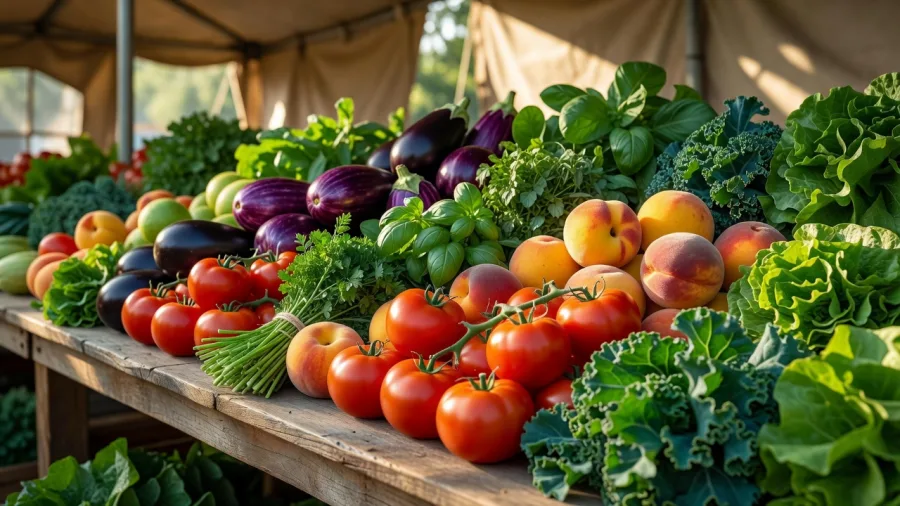
This is the heart of the program. Any fresh, unprocessed fruit or vegetable grown by the authorized vendor is typically eligible. Think tomatoes, cucumbers, peaches, melons, sweet corn, leafy greens, berries, peppers, apples, and much more. If it came straight from the farm and hasn't been cooked, dried, or processed, it almost certainly qualifies.
Fresh-Cut Herbs
Here's one that surprises many shoppers: fresh-cut herbs are eligible in most states. Basil, cilantro, dill, parsley, rosemary, thyme, and similar culinary herbs are fair game as long as they are freshly harvested and sold as a cut product — not a potted plant. This is a great way to stretch your voucher value and bring home something that elevates every meal.
Edible Plants (In Some States)
A small number of states allow the purchase of edible starter plants — young vegetable or herb seedlings that you can grow at home for food. Think tomato transplants, pepper starts, or herb seedlings. This is not universal, however. Check with your state program before assuming plants are covered, because in many states they are not.
Honey (In Select States)
Some state programs have expanded their eligible items list to include locally produced honey from authorized vendors. This is not available everywhere, but if your state allows it and the vendor is SFMNP-authorized, honey can be a wonderful addition. Again, verify with your local administering agency before counting on this one.
Pro tip: When in doubt at a farmers market stand, ask the vendor directly. Authorized SFMNP vendors know what they can and cannot accept vouchers for, and most are happy to help you find the best eligible items at their table.
What You CANNOT Buy With SFMNP Vouchers
This is where many shoppers run into trouble. Farmers markets are full of wonderful products, but the SFMNP has a very specific focus: fresh, locally grown food for direct consumption or home growing. A lot of the other tempting things you'll find at a market simply don't qualify.
Processed or Value-Added Foods
Even if the ingredients came straight from a local farm, processed foods are not eligible. This includes:
- Jams, jellies, and preserves
- Pickles and fermented vegetables
- Salsa, hot sauce, and condiments
- Dried or dehydrated fruits and vegetables
- Canned goods of any kind
The rule of thumb is that if someone did something to the food beyond harvesting and washing it, it likely doesn't qualify.
Baked Goods and Prepared Foods
Those beautiful loaves of sourdough, fresh-baked pies, and warm kettle corn at the market? Not eligible. Any baked good or prepared food — no matter how fresh or locally made — falls outside the program's guidelines. The same goes for juices, smoothies, and other beverages, even if they're freshly pressed on site.
Meat, Eggs, and Dairy
As tempting as the pasture-raised eggs or local cheese might be, animal products are not covered under SFMNP. The program is specifically limited to plant-based fresh produce and, in some states, honey. Meat, poultry, seafood, eggs, and dairy products are all excluded.
Potted Ornamental Plants
Even if a vendor sells potted herbs or flowers that technically could be eaten, ornamental or decorative potted plants are not eligible. The distinction matters: a bunch of freshly cut basil is fine in most states, but a potted basil plant sitting in a decorative container is generally considered ornamental and won't qualify. Some states do allow edible starter plants, as noted above, but that's a narrow and specific exception — not a general green light for any potted plant.
Non-Food Items
Candles, soaps, crafts, clothing, and other non-food items you might find at a farmers market are completely off-limits, as are supplements, vitamins, and herbal medicines — even if made from plants.
Why the Rules Vary by State
You'll notice the phrase "in most states" appears frequently in this article. That's not an accident. While the SFMNP is a federal program, each state administers it with some flexibility. One state might include honey and edible starter plants; another might keep the list strictly to fresh fruits, vegetables, and cut herbs. Voucher amounts, program dates, and even the definition of eligible items can all shift depending on where you live.
This is why the single most important step you can take — beyond reading this article — is to contact your state's SFMNP administering agency directly. They can give you the exact current rules for your location, tell you which vendors are authorized in your area, and let you know when the season starts and ends.
How to Shop Confidently With Your Vouchers
A few habits will make your SFMNP shopping experience smooth and satisfying:
- Look for the SFMNP sign. Authorized vendors display signage showing they accept program vouchers. Not every stand at every market participates.
- Ask before you pick. If you're unsure whether something is eligible, ask the vendor before loading up your basket.
- Plan your visit around the season. Vouchers expire at the end of the local growing season — often in late fall — so don't wait too long to use them.
- Bring small bills if possible. SFMNP vouchers generally cannot be used to pay for non-eligible items in the same transaction, and vendors cannot make change for vouchers.
Ready to Make the Most of Your SFMNP Vouchers?
Whether you're a first-time participant or a returning shopper who just wants to brush up on the rules, knowing what you can buy with Senior Farmers Market Nutrition Program vouchers puts you in the best possible position to make the most of this valuable benefit. Fresh produce, cut herbs, and in some states even honey and starter plants — it's a meaningful list that can genuinely improve your diet and your connection to local food.
To find out if you qualify, locate authorized vendors near you, and confirm your state's specific eligible items list, visit the USDA Food and Nutrition Service website and search for the Senior Farmers Market Nutrition Program, or call your local Area Agency on Aging. They can connect you with your state's administering agency and help you get signed up before the season begins.
Advertisement