Advertisement
If you are planning a gutter replacement and the contractor hands you a quote after a ten-minute walkthrough, you may want to pause before signing anything. Most quotes are based on linear footage — how many feet of gutter your home needs — but that number alone does not tell the whole story. A proper roof drainage audit for gutter replacement capacity looks at the shape of your roof, how steeply it slopes, and exactly how much rainwater each section must channel away from your home. For older homeowners especially, skipping this step can mean spending good money on new gutters that overflow just as badly as the old ones.
What Is a Roof Drainage Audit and Why Does It Matter?
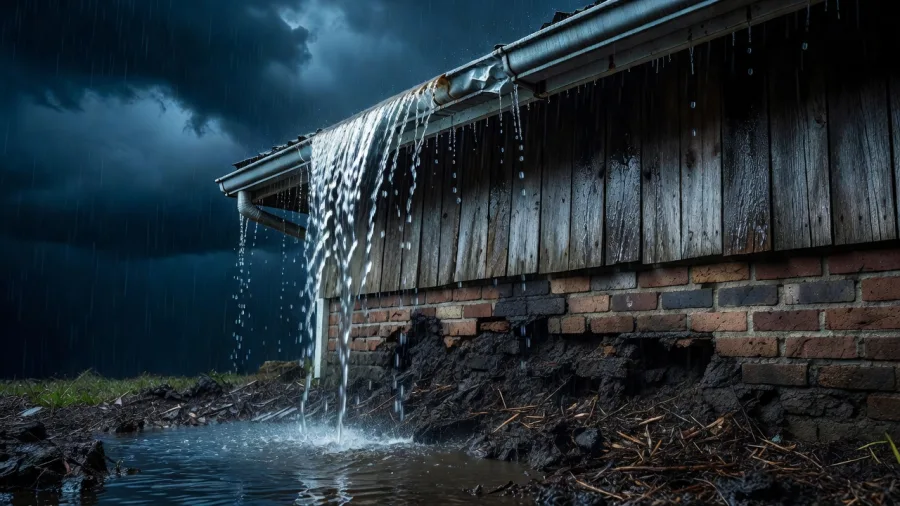
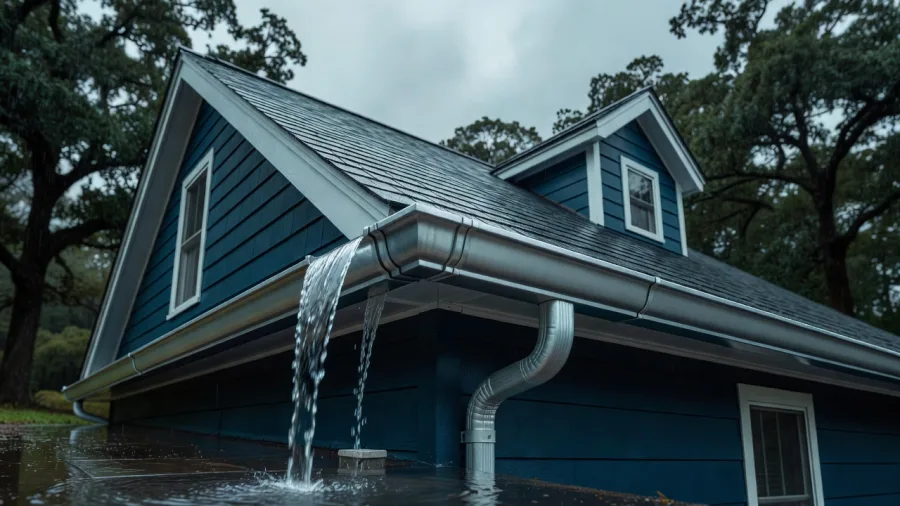
A roof drainage audit is a systematic evaluation of your roof's surface area, pitch, and drainage zones to determine the true volume of water your gutters must handle during a heavy rainstorm. Think of it this way: a steep roof sheds water much faster than a shallow one, even if both roofs cover the same square footage. That faster runoff creates a surge that undersized gutters simply cannot absorb, leading to overflow, erosion along your foundation, and potential basement flooding.
Most standard gutter replacement quotes use a rule of thumb — a five-inch gutter for a typical home, a six-inch gutter for a larger one. What they rarely account for is the combination of roof pitch, valley placement, and the size of each individual drainage zone. Two homes that look identical from the street can have dramatically different drainage demands based on how their roofs are designed.
For homeowners who have lived in their homes for decades, this matters even more. Older homes were often built with narrower gutters that may have been adequate when the surrounding trees were young and the roof pitch was freshly laid. Over time, landscaping grows denser, soil settles, and even minor changes in roof structure can shift where and how fast water flows.
How Roof Slope and Surface Area Change Your Gutter Capacity Needs
Here is the key concept every homeowner should understand before getting a replacement quote: gutter capacity is not just about the size of the gutter. It is about matching gutter size and downspout placement to the actual water load each section of roof produces.
Contractors use a calculation that multiplies the drainage area — the horizontal footprint of the roof section — by a pitch factor. A roof with a steep pitch can carry a pitch factor of 1.3 or higher, meaning that section effectively drains 30 percent more water than its flat footprint suggests. If your home has a complex roofline with multiple valleys, dormers, or a steeply pitched section over a porch or addition, those areas concentrate enormous amounts of runoff into small stretches of gutter.
- Low-pitch roofs (2/12 to 4/12): Drain slowly but steadily. Standard five-inch gutters may be sufficient if downspouts are well-placed.
- Medium-pitch roofs (5/12 to 8/12): The most common range for American homes. Capacity needs increase noticeably and downspout spacing becomes critical.
- Steep-pitch roofs (9/12 and above): Water rushes off quickly and can overshoot gutters entirely if gutter width and bracket positioning are not adjusted.
- Roof valleys: These channel water from two adjoining sections into a single stream. A valley draining into one gutter section can double or triple that section's water load during heavy rain.
A thorough roof drainage audit maps all of these factors before a single foot of gutter is measured or priced.
Why One-Size-Fits-All Quotes Set Older Homeowners Up for the Same Problems
It is not that contractors are being dishonest. Most are simply using the fastest method to generate a competitive quote. The problem is that a one-size-fits-all approach replaces your failing gutters with new ones built to the same inadequate standard — and you end up with the same overflow issues within a few years.
For homeowners 55 and older, this is a particularly important issue. Water damage from inadequate gutter drainage does not announce itself immediately. It builds slowly: soil erosion near the foundation, efflorescence on basement walls, small cracks that widen over seasons. By the time the damage is visible, repair costs can run from $5,000 to $10,000 or more for foundation work alone. New gutters typically cost between $1,000 and $3,000 for an average home — a fraction of what you would spend repairing the damage that poorly sized gutters fail to prevent.
A proper drainage audit before your gutter replacement is not an extra expense. It is the step that ensures the money you spend actually protects your home.
What a Roof Drainage Audit Should Include
When you request a drainage audit — or evaluate whether a contractor has done one — look for these elements in their assessment process:
- Roof surface area measurement by zone: Each section of the roof should be measured separately, not lumped together as total square footage.
- Pitch factor calculation: The contractor should document the slope of each roof section and apply the appropriate multiplier.
- Valley and concentration point identification: Any place where two roof sections meet and combine their runoff should be flagged for additional capacity.
- Downspout sizing and placement: Downspouts are just as important as the gutters themselves. One downspout per 40 feet is a common baseline, but high-capacity zones may need more.
- Seamless versus sectional recommendation: Seamless gutters eliminate the joints where most leaks begin and tend to last significantly longer than sectional alternatives — a key consideration when you want this to be the last replacement you manage.
Should You Ask About Gutter Guards?
If your home is surrounded by mature trees — common in established neighborhoods where many older homeowners live — gutter guards are worth discussing as part of your roof drainage audit and gutter replacement planning. Guards reduce the frequency of cleaning, which becomes a safety and maintenance concern as homeowners age. However, not all guard systems work equally well with all gutter profiles, and the audit process should identify whether guards are compatible with the gutter size your drainage zones require.
How to Get a Proper Audit Before Your Next Quote
Start by asking every contractor you interview a simple question: How do you calculate gutter capacity for my specific roof? A contractor who mentions pitch factors, drainage zones, and downspout load calculations is doing the job correctly. One who responds only with linear footage and gutter size options may be offering a quote that is easier to generate but harder to rely on.
You can also request that the contractor provide a written drainage analysis alongside their quote, showing how they arrived at their gutter size and downspout recommendations. This documentation protects you if problems arise and gives you a clear basis for comparing bids from multiple companies.
Local building departments in many areas have published guidelines on minimum gutter sizing based on regional rainfall intensity. Asking your contractor whether they have consulted your area's rainfall data is another sign that they are approaching your project with the seriousness it deserves.
Your Next Step
Do not let a fast quote determine the future of your home's water protection. Before scheduling your gutter replacement, search for licensed roofing and gutter contractors in your area who specifically offer drainage assessments as part of their estimation process. Many home improvement programs for older homeowners also include gutter replacement in their scope — check with your local Area Agency on Aging or visit your state's housing assistance website to learn whether cost-sharing or low-interest loan programs are available in your area. Getting the right gutters installed the right way, based on a true roof drainage audit for gutter replacement capacity, is one of the smartest investments an older homeowner can make in long-term home protection.
Advertisement