Advertisement
Your Mobile Home Status Is Actually an Advantage
If you live in a manufactured or mobile home, you may have heard that your property type disqualifies you from certain homeowner programs. But when it comes to window replacement assistance programs for manufactured home owner seniors, the opposite is often true. Your home classification can actually open doors to a completely separate set of funding sources — HUD-regulated programs, Title I loan products, and state-level manufactured housing grants — that traditional site-built homeowners simply cannot access.
Replacing old, drafty windows in a manufactured home can lower your energy bills, improve comfort, and protect your home's structure. The good news is that help is available, and knowing where to look makes all the difference.
Why Manufactured Homes Have Their Own Programs
Manufactured homes — including homes built to HUD standards after 1976 and older units sometimes called mobile homes — are regulated differently than site-built houses. Because of this separate regulatory framework, federal agencies and state housing offices have created dedicated assistance tracks specifically for manufactured housing residents.
These programs exist because manufactured homes often have unique construction features, different window sizing standards, and distinct energy efficiency challenges. Older units especially tend to have single-pane windows and inadequate insulation, making energy upgrades both a comfort issue and a financial one for residents on fixed incomes.
What Makes These Programs Different
- HUD oversight: Manufactured homes fall under the U.S. Department of Housing and Urban Development, which creates eligibility pathways tied to HUD certification standards.
- Separate loan products: Title I manufactured home loans from HUD-approved lenders are specifically designed for improvements to manufactured housing and have different terms than conventional home improvement loans.
- State-specific grants: Many states maintain manufactured housing assistance funds entirely separate from general homeowner improvement programs.
- Income-based weatherization priority: Federal weatherization programs often prioritize manufactured home residents because these units typically have greater energy loss per square foot.
Key Window Replacement Assistance Programs for Manufactured Home Owner Seniors
1. HUD Title I Home Improvement Loans
The HUD Title I program allows manufactured home owners to borrow funds for improvements including window replacement through FHA-approved lenders. These are loans, not grants, but they are designed with manufactured housing in mind and do not require home equity as collateral in the traditional sense. Loan limits, interest rates, and terms vary, so it is worth contacting a HUD-approved lender directly to understand what is available in your state.
2. The Weatherization Assistance Program (WAP)
Administered by the U.S. Department of Energy and delivered through local agencies, the Weatherization Assistance Program provides free energy efficiency improvements — including window upgrades — to income-qualified households. Manufactured homes are explicitly included and in many states receive priority placement because of their energy performance challenges. There is no repayment required. Eligibility is based on household income, typically tied to federal poverty guidelines, and you do not need to own land to qualify — renting a lot in a manufactured home community is generally acceptable.
3. USDA Rural Development Programs
If you live in a rural area, the USDA Single Family Housing Repair Loans and Grants program — sometimes called Section 504 — may help cover window replacement costs. Seniors aged 62 and older may qualify for grants rather than loans if they meet income requirements. Manufactured homes on permanent foundations may qualify, though eligibility rules vary by property type and location. Contact your local USDA Rural Development office to confirm whether your home qualifies.
4. State Manufactured Housing Assistance Programs
Many states have established their own programs specifically for manufactured housing residents. These may include grants, low-interest loans, or matching funds for energy improvements like window replacement. States such as Minnesota, Oregon, Washington, and others have active manufactured housing rehabilitation programs. The best place to start is your State Energy Office or your state's Housing Finance Agency, both of which maintain lists of programs available to residents.
5. Low-Income Home Energy Assistance Program (LIHEAP)
While LIHEAP is primarily known for helping with heating and cooling costs, some states allow LIHEAP funds to be used for weatherization improvements including windows. Contact your local Community Action Agency to ask how your state applies these funds.
Tax Credits and Utility Rebates Still Apply
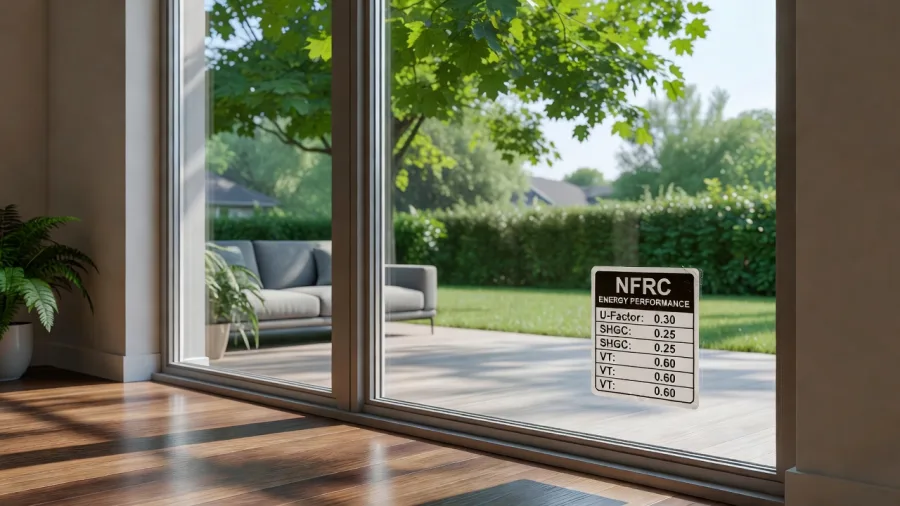
Even with your manufactured home status, you should not overlook the broader incentives available to all homeowners. Under provisions of the Inflation Reduction Act, federal tax credits of up to $600 may be available for qualifying energy-efficient windows installed in a primary residence. Manufactured homes can qualify if they meet the program's criteria. Additionally, your utility company may offer rebates for window upgrades — amounts vary significantly by provider and state, so check your utility's website or call their customer service line to ask specifically about manufactured home eligibility.
Tip: New energy-efficient windows can save between $100 and $500 per year on energy bills, depending on your climate and the age of your existing windows. Over time, that savings can offset much of the replacement cost.
How to Get the Best Deal From Contractors
Even with assistance programs, you may have out-of-pocket costs. Here is how to protect yourself and your budget:
- Get at least three quotes. Comparison shopping can reduce your total cost by 20% to 40% on a window replacement project.
- Ask about manufactured home experience. Not all contractors are familiar with the specific window sizes and frame types used in manufactured housing. Choose someone with direct experience.
- Verify licensing and insurance. Your state contractor licensing board can confirm a contractor's standing before you sign anything.
- Ask about financing partnerships. Some contractors work with HUD-approved lenders or state agencies and can connect you to assistance programs directly.
How to Start Navigating These Programs
The variety of programs can feel overwhelming, but you do not have to figure it out alone. The most effective first steps are straightforward:
- Contact your local Community Action Agency — they coordinate Weatherization Assistance and can point you to other local resources.
- Visit the HUD website (hud.gov) to find approved Title I lenders in your area.
- Call your State Housing Finance Agency and ask specifically about manufactured housing improvement programs.
- Contact your local USDA Rural Development office if you live outside a major metro area.
- Call your utility company and ask about rebates for window replacement in manufactured homes.
Your Next Step
As a senior living in a manufactured or mobile home, you have access to window replacement assistance programs for manufactured home owner seniors that most homeowners will never know exist. The key is making contact with the right agencies. Start today by calling 211 — a free, nationwide helpline that connects callers to local housing and energy assistance resources — or visit your local Community Action Agency in person. You worked hard for your home. These programs exist to help you keep it comfortable and affordable.
Advertisement