Advertisement
Why Your Home Renovation Could Cost You More Than You Think
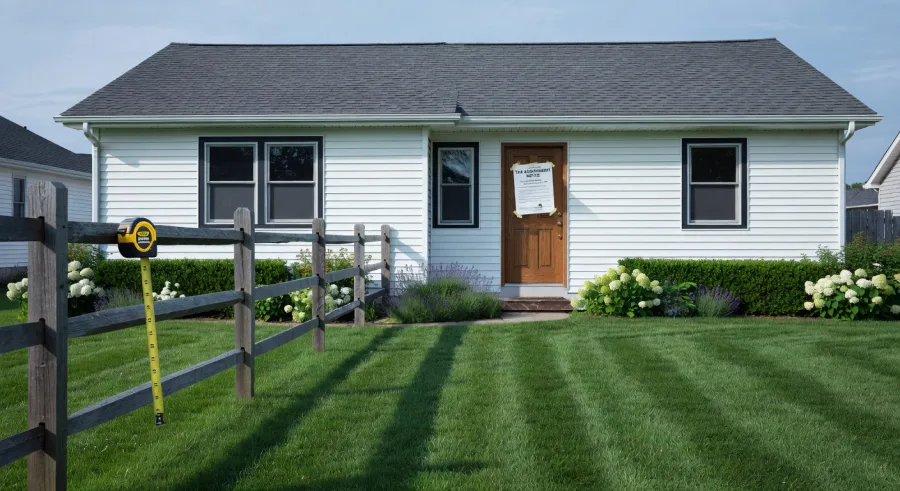
If you are a homeowner 55 or older, you may already be benefiting from a home renovation property tax exemption senior homeowner program in your state or county. These exemptions can save you hundreds — sometimes thousands — of dollars every year. But here is something many seniors do not realize until it is too late: certain home improvements can trigger a full property reassessment, which may wipe out or significantly reduce the tax relief you have worked hard to qualify for.
Before you pick up the phone to call a contractor, read this. Understanding how renovations interact with your property tax exemption could save you a serious amount of money.
How Senior Property Tax Exemptions Work
Most states offer property tax exemption programs specifically for homeowners aged 65 and older. These programs reduce your property tax bill by lowering your home's assessed value, capping the amount it can increase each year, or freezing the assessed value altogether. You typically apply through your county tax assessor's office, and eligibility may depend on your age, income, and how long you have owned the home.
Some programs are especially powerful because they freeze your home's assessed value at the time you enroll. That means even if your home's market value rises dramatically, your taxes stay stable. It is a significant benefit — and one that a major renovation can put at risk.
Renovations That Can Trigger a Reassessment
Not every home improvement sets off an alarm at the tax assessor's office. But certain projects are commonly classified as substantial improvements, and those almost always prompt a reassessment of your property's value. Here are the renovations most likely to affect your exemption:
- Adding a bedroom or bathroom: Any addition that increases your home's square footage is one of the most common triggers for reassessment. More living space generally means a higher assessed value.
- Finishing a basement or attic: Converting an unfinished space into usable living area — even if you are not adding square footage to the footprint — can significantly raise your assessed value in many counties.
- Building an accessory dwelling unit (ADU): Granny flats, in-law suites, or detached guest houses added to your property are almost universally treated as new construction and reassessed accordingly.
- Major structural additions: Adding a sunroom, enclosed porch, or garage with living space above it typically qualifies as an improvement that increases your home's value on paper.
- Full kitchen or bathroom gut renovations: Depending on your county, high-value remodels of kitchens and bathrooms — especially those involving structural changes — can sometimes prompt a partial reassessment.
The key point is this: if your county reassesses your home and the new assessed value is significantly higher, your exemption may cover less ground, or in some cases, you may need to reapply entirely to confirm you still qualify.
Renovations That Are Generally Safer for Your Tax Exemption
The good news is that many common home improvements do not trigger a reassessment. Tax assessors generally distinguish between improvements — which add value — and repairs and maintenance — which simply preserve existing value. Here is what tends to be safer:
- Roof replacement: Replacing an aging roof with a like-for-like material is typically considered maintenance, not an improvement.
- HVAC upgrades: Installing a new heating or cooling system generally does not affect assessed value in most jurisdictions.
- Painting, flooring, and cosmetic updates: Refreshing the interior with new paint, carpet, or fixtures usually does not trigger a reassessment.
- Accessibility modifications: Many states specifically exempt improvements made for accessibility purposes — such as wheelchair ramps, grab bars, or stair lifts — from reassessment. This is especially relevant for senior homeowners aging in place.
- Energy efficiency upgrades: Solar panels, insulation, and energy-efficient windows are treated differently depending on the state. Some states offer additional exemptions specifically for these upgrades.
Pro tip: Always check with your county tax assessor's office before starting any renovation project. A quick call can save you from an unexpected tax increase.
What to Do Before You Start Any Renovation
If you are a senior homeowner currently benefiting from a property tax exemption, taking a few steps before construction begins can protect your savings:
- Contact your county tax assessor: Ask directly whether your planned renovation will trigger a reassessment. Most offices are happy to answer this question over the phone or via email.
- Review your exemption program's rules: Some programs have specific provisions about what happens after a reassessment. Knowing the rules in advance gives you options.
- Ask about accessibility exemptions: If your renovation is related to aging in place — widening doorways, adding a walk-in shower, or installing a ramp — ask specifically whether your state exempts these improvements from reassessment.
- Work with a local real estate attorney or tax advisor: For large projects, professional guidance can help you structure the renovation in a way that minimizes your tax exposure.
- Document your existing exemption status: Keep records of your current exemption, assessed value, and tax bill before any work begins. This gives you a clear baseline if you need to appeal a reassessment later.
If a Reassessment Does Happen, You Have Options
Even if your renovation does trigger a reassessment, all is not necessarily lost. First, check whether you still qualify for your exemption under the new assessed value — in many cases, you will, though the benefit may be smaller. Second, if you believe the reassessment is inaccurate or unfair, you have the right to appeal. The appeals process varies by county, but it is often more straightforward than homeowners expect.
It is also worth reapplying for your exemption after any reassessment, even if you think you may not qualify. Eligibility rules change, and some programs allow exemptions regardless of assessed value as long as income thresholds are met.
Take Action: Protect Your Home Renovation Property Tax Exemption as a Senior Homeowner
Your property tax exemption is one of the most valuable financial benefits available to you as a senior homeowner. Do not let a renovation project accidentally reduce it. The simplest step you can take right now is to visit your county tax assessor's official website or call their office to ask two questions: Does my current exemption freeze my assessed value? And will my planned renovation trigger a new assessment?
A few minutes of research before you sign a contractor's estimate could protect years of savings. Start there, and make sure every improvement you make to your home works in your financial favor — not against it.
Advertisement