Advertisement
If you have been putting off replacing your drafty windows because the quotes felt too steep, there is a smarter approach worth knowing about. When you bundle window replacement with other home improvement projects to save money, you gain real negotiating power that single-project quotes almost never deliver. For homeowners 55 and older who are planning multiple upgrades anyway, this strategy can turn an overwhelming expense into a manageable — and even rewarding — investment.
Why Bundling Works in Your Favor
Contractors have fixed costs every time they mobilize for a job. That means scheduling crews, loading equipment, driving to your home, and setting up takes time and money whether they are installing two windows or twenty. When you hire a contractor for multiple projects at once, those mobilization costs get spread across a larger job — and a smart contractor will pass some of those savings on to you to win your business.
Volume pricing is the other major advantage. Contractors who purchase materials in larger quantities often receive better pricing from suppliers. If your project includes windows, a new front door, updated siding, and added insulation, the material order grows substantially. That gives your contractor more room to offer you a better overall price while still protecting their margin.
The bottom line: a contractor who sees a $15,000 to $25,000 combined project is far more motivated to sharpen their pencil than one bidding on a $3,000 window-only job.
Which Home Improvements Bundle Well With Window Replacement
Not every project pairs naturally, but several common home upgrades make excellent companions to window replacement — both logistically and financially.
- Door replacement: Entry doors and windows often come from the same manufacturers and can be ordered together. Many contractors who specialize in windows also handle doors, making this one of the easiest and most common bundles.
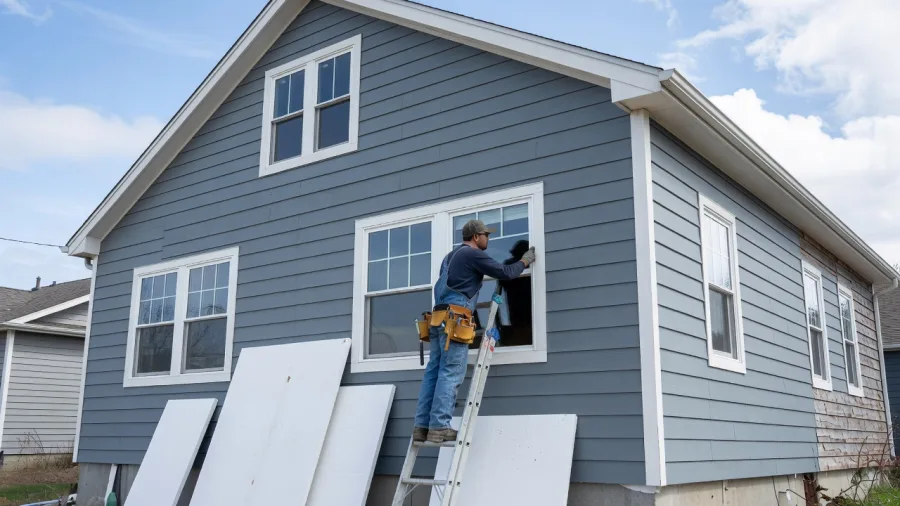
- Siding replacement or repair: Installing new siding often requires removing trim around windows anyway. If the siding crew is already working around your window frames, adding window replacement to the scope eliminates redundant labor costs.
- Insulation upgrades: Air sealing and insulation work pairs naturally with window replacement because both target the same problem — heat loss. A contractor focused on energy efficiency may offer a combined package that addresses your whole home envelope at once.
- Weatherstripping and caulking: Small but meaningful additions that any window or door installer can handle while on site, often at little or no extra charge when included in a larger scope of work.
- Exterior trim and shutters: If your home needs cosmetic exterior updates alongside new windows, grouping them with the same crew keeps the project cohesive and reduces scheduling headaches.
How to Structure Your Bundle Window Replacement Home Improvement Negotiations
The key to getting the best deal is presenting yourself as a serious, ready-to-commit buyer who has multiple needs — not someone fishing for the lowest possible price on one small job. Here is a practical approach:
Step 1: Make a Master List of What You Need
Before you call a single contractor, walk through your home and write down every project you have been thinking about for the next one to three years. Include the obvious items like windows and doors, but also the things you keep meaning to get to — that aging insulation in the attic, the siding section that took storm damage, the drafty sliding glass door in the back. Having a complete picture helps you negotiate from a position of clarity and commitment.
Step 2: Get Multiple Quotes on the Full Bundle
Industry guidance consistently shows that getting at least three quotes on a project can save homeowners 20% to 40% compared to accepting the first offer. When you are bundling, apply this same discipline to the full package. Ask each contractor to quote the entire project together and also break out individual line items. That breakdown helps you compare proposals accurately and spot where each contractor is pricing aggressively — or not.
Step 3: Ask Directly for Volume Discounts
There is nothing wrong with being straightforward. Tell the contractor you are considering multiple projects and are looking for a contractor you can build a relationship with. Ask whether they can offer a better overall price given the full scope of work. Many experienced contractors will respect the directness and respond with a more competitive number.
Step 4: Time Your Project Strategically
Contractors tend to be busiest in spring and early summer. If your timeline is flexible, scheduling your bundled project for late fall or winter — when demand is lower — can give you additional leverage. Contractors who need to keep crews busy during slower months may be more willing to negotiate on price or include extras at no charge.
Do Not Leave Federal Tax Credits and Rebates on the Table
Bundling is just one piece of the savings picture. Qualifying energy-efficient windows may be eligible for a federal tax credit of up to $600 under current Inflation Reduction Act provisions, and other envelope improvements like insulation and exterior doors may qualify for their own credits as well. These credits stack — meaning a project that includes windows, doors, and insulation could qualify for multiple credits in the same tax year.
Utility company rebates are another often-overlooked source of savings. Many electric and gas utilities offer rebates for energy-efficient upgrades, and these programs vary by location and change from year to year. Before your project begins, contact your utility provider or check their website to ask about any available rebates for windows, insulation, or other improvements you are planning.
Tip: Ask your contractor if they have experience submitting documentation for tax credit eligibility. A good contractor will know which products qualify and can provide the manufacturer certification statements you will need at tax time.
A Few Things to Watch Out For
Bundling is powerful, but it works best when you stay organized and informed. Keep these cautions in mind:
- Make sure every item in the bundle is clearly listed in the written contract with its own line-item price. This protects you if any portion of the project changes.
- Verify that all products being installed meet the requirements for any tax credits or utility rebates you plan to claim before signing anything.
- Do not let the excitement of a big discount push you into projects you were not genuinely planning. Bundle what makes sense, not everything a contractor suggests.
- Check contractor licenses, insurance, and reviews independently before awarding a large multi-project job.
Your Next Step: Build Your Bundle and Start Comparing
The best way to bundle window replacement with home improvement projects and save money is to start with a clear plan. Spend some time this week identifying every project on your home improvement list, then reach out to two or three contractors for bundled quotes. Visit the ENERGY STAR website to look up which window and door products qualify for federal tax credits, and contact your local utility company to ask about rebates in your area. A little preparation before you pick up the phone can mean thousands of dollars in savings before the first window is ever installed.
Advertisement